


The state is preparing an admission framework following Supreme Court scrutiny, with 50 rural habitations and 46 urban colonies initially identified for priority coverage.
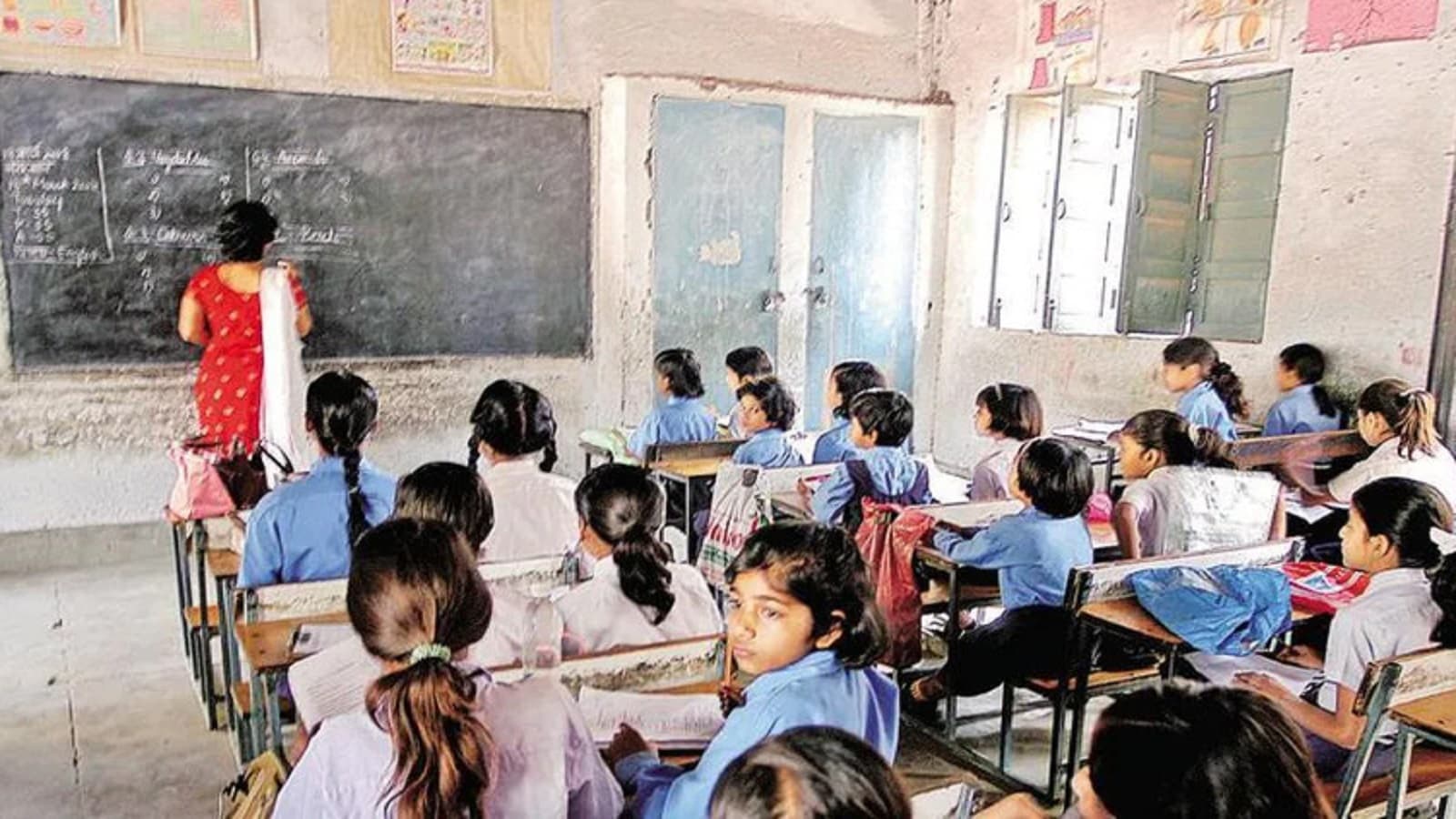
The Telangana government is moving towards implementing the 25% reservation for children from economically weaker sections (EWS) and disadvantaged groups in private schools under the Right to Education (RTE) Act, 2009. The move follows renewed scrutiny by the Supreme Court and the National Commission for Protection of Child Rights (NCPCR) over the state's implementation of the statutory provision.
According to a report by The Times of India, Telangana School Education Director R. Naveen Nicolas travelled to Delhi and assured the commission that the state would comply with the Supreme Court's directions.

The development comes ahead of the next Supreme Court hearing scheduled for October 27, 2026. The court has reportedly directed the NCPCR chairperson and director to appear in person and provide an update on implementation.
The proposed framework is expected to improve access to private-school education for children from financially and socially disadvantaged backgrounds.
Section 12(1)(c) of the Right of Children to Free and Compulsory Education Act, 2009, requires covered private unaided schools to reserve at least 25% of their entry-level seats for children belonging to weaker sections and disadvantaged groups in the neighbourhood.
The provision aims to make elementary education more accessible to children who might otherwise face financial or social barriers to admission.
Under the law, eligible children admitted through this provision are entitled to free and compulsory elementary education until they complete the elementary stage, subject to the applicable legal framework.
The quota applies to covered schools and is not a blanket requirement for every category of private educational institution. Minority institutions and other categories must be assessed under the relevant legal provisions and judicial rulings.
The latest development follows the Supreme Court's concern over the implementation of Section 12(1)(c) across states.
According to published reports, the court expressed dissatisfaction on September 29, 2026, with the response concerning the implementation of the provision and sought greater accountability from the authorities.
The court's intervention has renewed attention on Telangana's progress in putting the reservation into practice.
The state has faced questions over the delay in implementing the provision. In earlier proceedings, authorities had indicated that implementation would begin, but concerns remained about the extent of admissions and the effectiveness of the arrangements.
The latest assurance signals a renewed effort to establish a clearer admission process and identify eligible children and schools.
As part of the proposed implementation framework, the government has initially mapped 50 rural habitations and 46 urban colonies for priority coverage, according to the published report.
Priority is expected to be given to identified areas where a government or local-body school is not available within a one-kilometre radius.
The approach is intended to help identify children who may have limited access to nearby schools and improve their opportunities to enrol in covered private institutions under the RTE quota.
However, the identification of these locations should not be interpreted as the final list of all eligible schools or beneficiaries. Parents should wait for the state's official admission guidelines to confirm the areas, participating schools and application process.
The reservation is intended for children belonging to economically weaker sections and notified disadvantaged groups, subject to the eligibility conditions prescribed by the state.
Depending on the applicable category, families may need to submit supporting documents such as:
Income certificates to establish eligibility under the EWS category.
Caste or community certificates, where applicable.
Disability certificates, where relevant to the recognised disadvantaged category.
Residence or other documents required under the state admission guidelines.
Parents should check the final notification for the applicable income ceiling, age requirements, residence conditions, entry-level class and document verification rules.
The precise eligibility criteria and application dates should not be assumed until the government publishes or confirms the operative guidelines.
Admissions under the RTE provision are intended to follow a transparent, non-discriminatory process. Student interviews and entrance tests should not be used to screen children for admission under the applicable RTE framework.
The objective is to ensure that eligible children receive a fair opportunity to access elementary education without being excluded by selection practices that conflict with the law.
Parents should monitor official announcements for details on application submission, document verification, school allocation and the process for addressing grievances.
Families seeking admission for their children under the RTE quota should keep their eligibility and supporting documents ready while waiting for the official implementation instructions.
Parents should:
Check whether their residential area falls within the notified coverage.
Confirm which private schools are included in the admission process.
Review the official income, age, residence and category requirements.
Follow the prescribed application and document-verification procedure.
Keep copies of applications, certificates and acknowledgements.
Families should avoid paying unauthorised agents or relying on unverified social media messages promising admission under the quota.
For updates, parents can monitor the Telangana School Education Department and official state government notifications.
The immediate focus is on the state's implementation framework and the compliance update expected before the Supreme Court on October 27, 2026.
The court's review may provide further clarity on the steps taken by Telangana, the admission process and the authorities responsible for ensuring compliance.
Until the government publishes the final operational details, families should treat the announcement as a reported implementation initiative rather than confirmation that applications are already open.
The effective implementation of the 25% RTE reservation could expand educational opportunities for eligible children, provided that schools, education officials and the state administration follow the statutory requirements and ensure a transparent admission process.

NEET UG Stray Vacancy Result 2026: MBBS Seat Allotted at AIR 11.90 Lakh; Check Closing Ranks
Telangana to Implement 25% RTE Quota in Private Schools for EWS and Disadvantaged Children

Could smarter energy solutions make data centres more sustainable?

Cambridge and AstraZeneca extend joint PhD programme for three years

Australia’s higher education regulator discontinues corporate-governance guidance note
Could smarter energy solutions make data centres more sustainable?
Cambridge and AstraZeneca extend joint PhD programme for three years

China shuts three Tibetan schools, raising fears for language and cultural identity

CCPA reports 3,940 delistings in crackdown on online sale of explosive substances

UGC seeks governors’ intervention as 82 Tamil Nadu institutions face 150 fee-refund complaints

NEET UG Stray Vacancy Result 2026: MBBS Seat Allotted at AIR 11.90 Lakh; Check Closing Ranks
Telangana to Implement 25% RTE Quota in Private Schools for EWS and Disadvantaged Children
Could smarter energy solutions make data centres more sustainable?
Cambridge and AstraZeneca extend joint PhD programme for three years
Australia’s higher education regulator discontinues corporate-governance guidance note
Could smarter energy solutions make data centres more sustainable?
Cambridge and AstraZeneca extend joint PhD programme for three years
China shuts three Tibetan schools, raising fears for language and cultural identity
CCPA reports 3,940 delistings in crackdown on online sale of explosive substances
UGC seeks governors’ intervention as 82 Tamil Nadu institutions face 150 fee-refund complaints
Copyright© educationpost.in 2026 All Rights Reserved.