


The proposed initiative will provide basic first aid, trained health workers and private spaces for girls’ menstrual health needs in Delhi government schools.
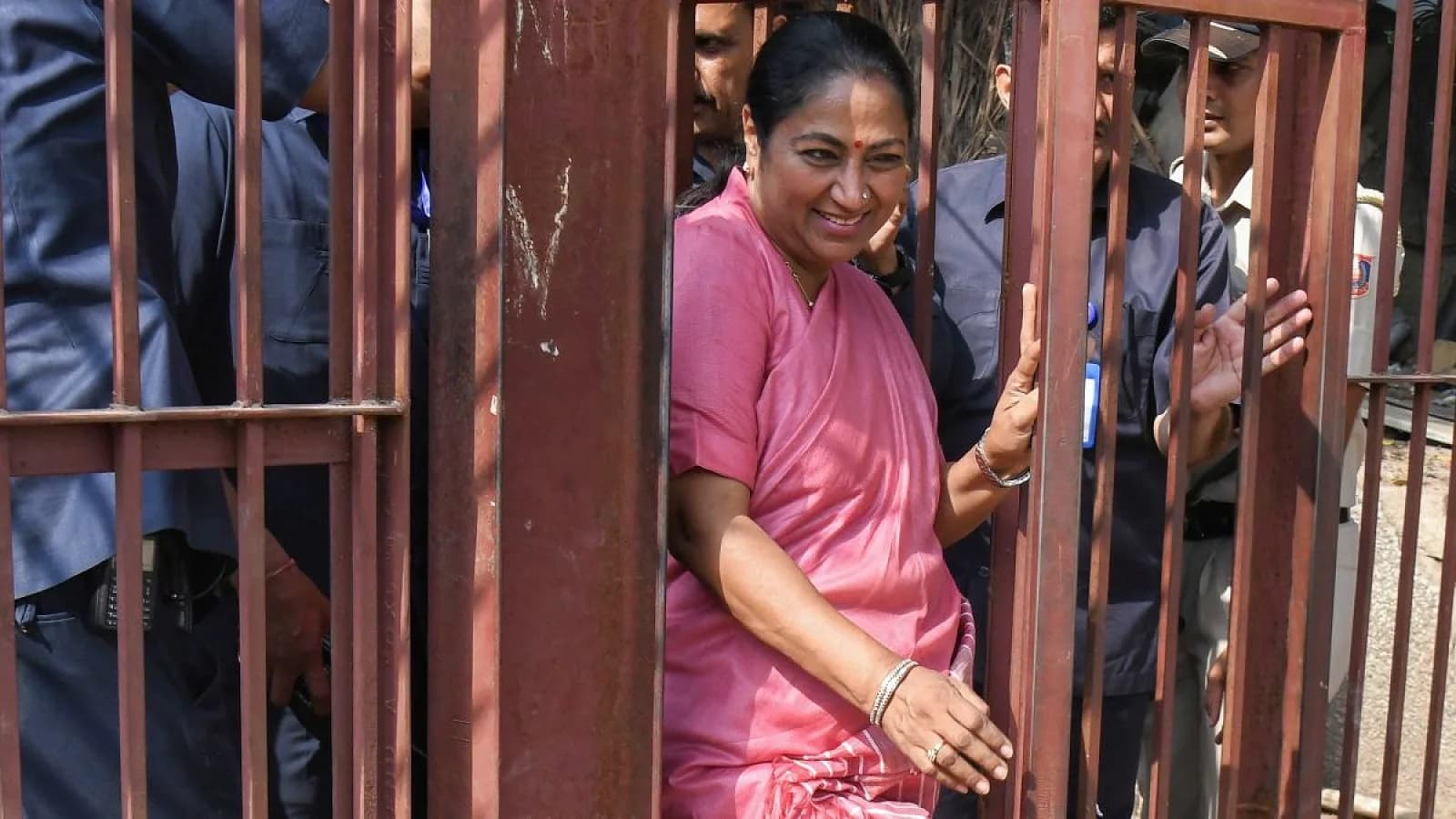
The Delhi government plans to establish dedicated medical rooms in all 1,086 government schools under its Directorate of Education to improve access to basic healthcare during school hours. The initiative will include trained health workers, first-aid facilities and private spaces where girl students can address menstrual health needs.
Delhi Education Minister Ashish Sood announced the initiative, which is expected to cost approximately ₹48.87 crore annually. According to reports citing an official government statement, the facilities are intended to help students receive immediate assistance for minor injuries, sudden illness, dizziness, fatigue and other temporary health concerns without leaving the school premises.

Under the proposed arrangement, each government school will have a designated medical room staffed by a trained health worker. Personnel may include an Auxiliary Nurse Midwife (ANM) or a multipurpose health worker.
The facilities will provide basic medical assistance, including wound dressing, oral rehydration solution (ORS) and supervised temporary rest for students who feel unwell during school hours.
However, the medical rooms will not function as full-fledged clinics. Diagnostic services and prescription medicines will not be provided under the proposed arrangement.
The initiative aims to strengthen basic healthcare support within school campuses and help teachers respond more effectively when students experience health-related difficulties during the school day.
A key feature of the initiative is the provision of a safe and private space for girl students experiencing menstrual discomfort or requiring support related to menstrual health.
The arrangement is intended to help students manage menstrual health concerns with greater privacy and dignity while remaining within the school environment.
Access to appropriate menstrual health support can also help reduce disruption to students’ education when they experience discomfort during school hours.
The proposal complements broader efforts to promote safe, inclusive and supportive learning environments, including the objectives outlined in the National Education Policy (NEP) 2020.
The Delhi government plans to implement the initiative in stages, depending on the availability of space and infrastructure in individual schools.
Schools that already have suitable separate rooms are expected to be covered in the initial phase. Schools without dedicated spaces will be addressed in subsequent phases through alternative rooms or porta cabins, according to reports citing the government statement.
The phased approach is intended to extend basic medical facilities across the government school network while accommodating differences in existing infrastructure.
The initiative is designed to improve students’ access to immediate basic medical assistance and create a more supportive school environment.
Education Minister Ashish Sood said the facilities would help ensure that students who fall ill or sustain minor injuries during school hours can receive prompt attention on campus.
By combining first-aid support with provisions for menstrual health, the proposed medical rooms seek to address everyday health needs that can affect students’ comfort, attendance and participation in classroom activities.
The announcement outlines a plan covering all 1,086 government schools under the Directorate of Education, with an estimated annual expenditure of ₹48.87 crore. Implementation will proceed in phases, with the availability of suitable rooms determining the initial rollout.

Delhi High Court Upholds Cash Assistance Policy for EWS Students’ School Uniforms
Tamil Nadu School Holiday Today: Classes Suspended in Several Districts, Chennai Schools to Remain Open

Delhi Government to Set Up Medical Rooms in 1,086 Schools With Menstrual Health Support

Australia’s international student decline hits vocational and English-language courses harder

Bihar Board Extends Class 9, 11 Registration Deadline for 2028 Exams to November 6

AI boom puts forward deployed engineers on track for ₹1 crore annual packages

Reed College’s concrete owl stolen, frozen and set on fire

Canada announces $813 million research boost to back 450-plus researchers

Abu Dhabi aims to bring 2,000 Emirati teachers into private schools within five years

Australian schools record thousands of student sexual misconduct reports as child safety concerns grow

Delhi High Court Upholds Cash Assistance Policy for EWS Students’ School Uniforms
Tamil Nadu School Holiday Today: Classes Suspended in Several Districts, Chennai Schools to Remain Open
Delhi Government to Set Up Medical Rooms in 1,086 Schools With Menstrual Health Support
Australia’s international student decline hits vocational and English-language courses harder
Bihar Board Extends Class 9, 11 Registration Deadline for 2028 Exams to November 6
AI boom puts forward deployed engineers on track for ₹1 crore annual packages
Reed College’s concrete owl stolen, frozen and set on fire
Canada announces $813 million research boost to back 450-plus researchers
Abu Dhabi aims to bring 2,000 Emirati teachers into private schools within five years
Australian schools record thousands of student sexual misconduct reports as child safety concerns grow
Copyright© educationpost.in 2026 All Rights Reserved.