From tribal roots to national dreams: President Murmu urges EMRS students to give back to communities
President Droupadi Murmu highlights the role of residential schools in nurturing academic excellence, encouraging job creation and expanding access to higher education among Scheduled Tribe students.
By Pragya Kumari · Updated
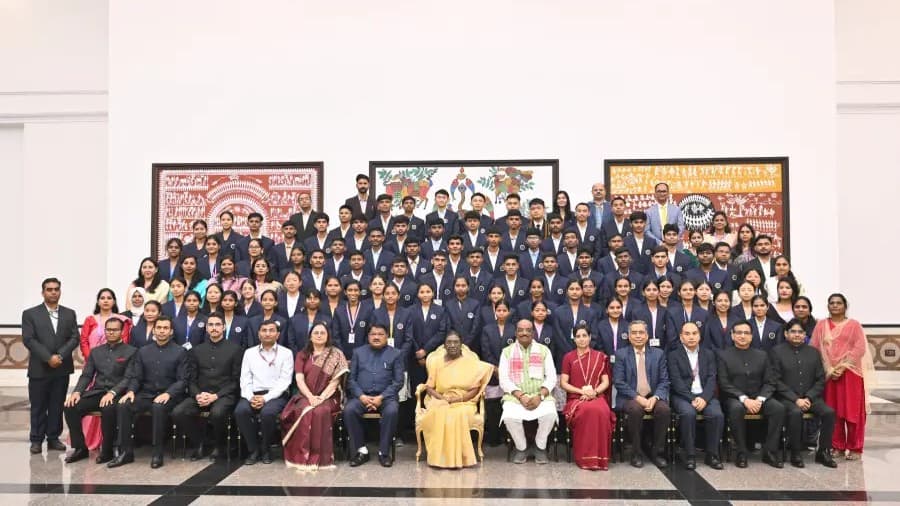
President Droupadi Murmu has urged students from Eklavya Model Residential Schools (EMRS) to use their education and professional achievements to support the development of their villages and tribal communities while preserving their cultural identity and heritage.
Interacting with meritorious students and alumni at the Rashtrapati Bhavan Cultural Centre in New Delhi on Nov 12, 2026, the President highlighted the importance of quality education, equal opportunities, and institutional support in helping tribal students realize their potential.
The event was organized by the National Education Society for Tribal Students (NESTS), under the Ministry of Tribal Affairs, as part of Janjatiya Gaurav Pakhwada 2026. The observance commemorates the 151st birth anniversary of tribal freedom fighter and leader Bhagwan Birsa Munda.
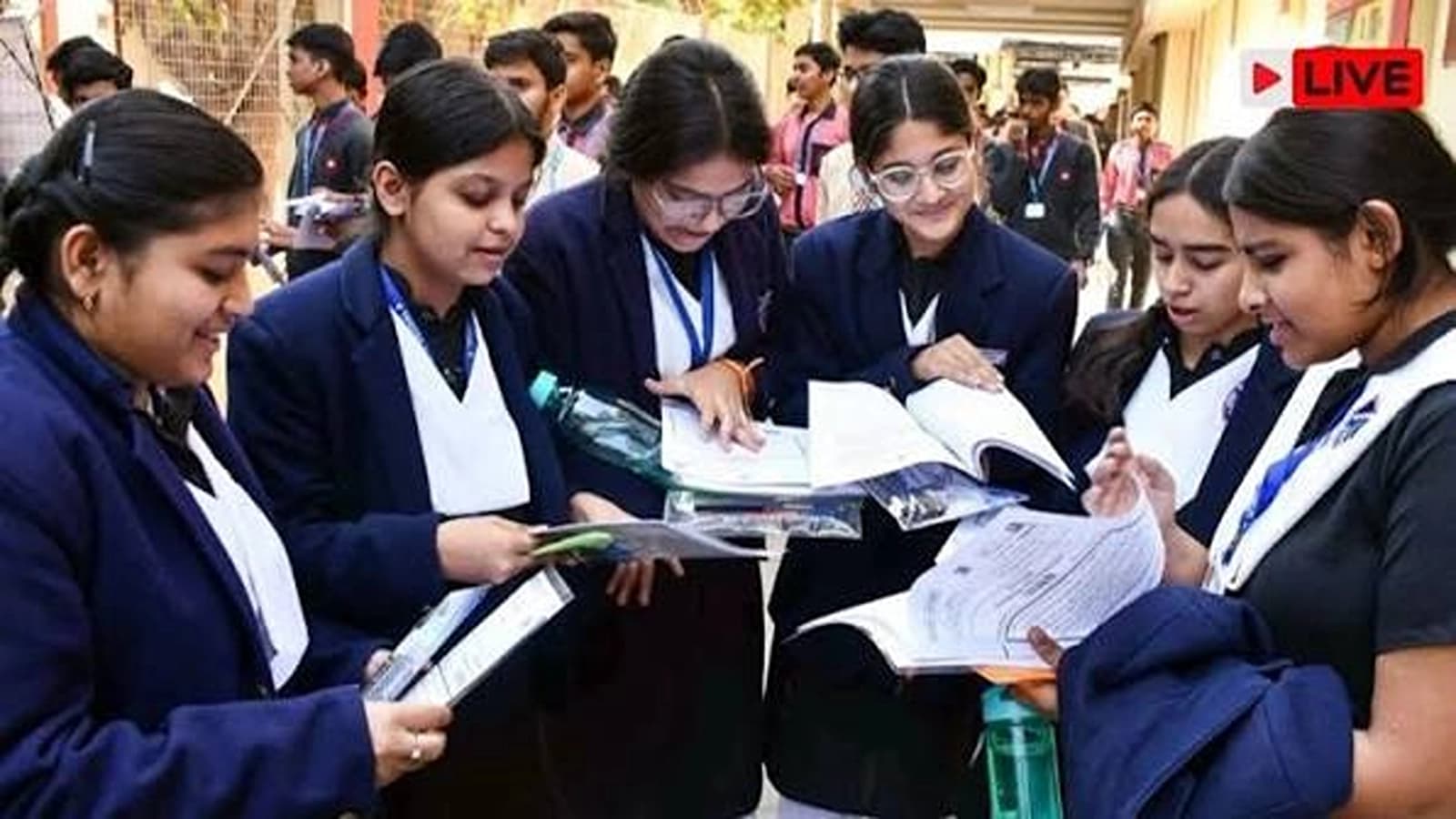
A total of 146 meritorious students and alumni from EMRS across the country participated in the interaction. They included Class 10 and Class 12 toppers, as well as students who secured admission to premier institutions such as Indian Institutes of Technology (IITs), National Institutes of Technology (NITs), National Law Universities (NLUs), the National Institute of Fashion Technology (NIFT), and government medical colleges.
The interaction gave students an opportunity to discuss their academic achievements, educational journeys, personal experiences, and future aspirations with the President. Their accounts also highlighted how EMRS has supported their academic progress and helped them pursue higher education and professional careers.
President Murmu stresses importance of tribal identity and community development
Referring to the values associated with Eklavya, President Murmu encouraged students to understand his life and draw inspiration from it. She said EMRS is providing tribal students with opportunities to identify and develop their abilities and talents.
The President also pointed to the equal representation of boys and girls in these residential schools as an indication of progress towards inclusive development.
Emphasizing the importance of cultural identity, she advised students to remain connected with their roots, traditions, and heritage. She encouraged them to take pride in their tribal background and maintain close relationships with their villages and communities.
Murmu further said that students should consider their responsibilities towards the regions from which they come, even after completing their education and establishing professional careers.
She encouraged them to contribute to their communities after becoming doctors, engineers, administrators, and professionals in different fields. She stressed that education becomes more meaningful when its benefits reach the people and regions that have supported students throughout their journeys.
Students encouraged to become entrepreneurs and job creators
During the interaction, President Murmu also called for expanding educational opportunities and improving guidance for young people. She observed that India has no shortage of talent, but students need a supportive learning environment to realize their potential.
Urging students to pursue their ambitions with dedication, discipline, hard work, and self-confidence, she highlighted the need to prepare young people for opportunities beyond conventional employment.
The President said education should equip students not only to secure livelihoods but also to establish enterprises and generate employment. She emphasized that young people who become job creators can contribute to economic growth and accelerate inclusive development.
Murmu also underlined the importance of achieving balanced development across different regions and sections of society. She said the progress of every community and region is essential to realizing the vision of Viksit Bharat by 2047.
She encouraged students to stay informed about current affairs and developments in India and around the world. According to the President, awareness of national and international developments can help young people strengthen their logical thinking and analytical abilities.
She also advised them to share information about government welfare schemes and important developments with their families and communities whenever they return to their villages. Such efforts, she noted, could help more people benefit from available initiatives and give greater purpose to students' education.
146 EMRS students and alumni share their success stories
Union Minister for Tribal Affairs Jual Oram delivered the welcome address at the programme. He encouraged students to set ambitious goals and work towards achieving them through dedication, discipline, hard work, and self-confidence.
As part of the event, NESTS presented a five-minute short film documenting the achievements of EMRS students. The film featured their journeys from school education to realizing their academic and professional aspirations.
Students also shared their experiences with the gathering, describing the role of their schools in providing a supportive educational environment. They highlighted the academic opportunities, exposure, and facilities that contributed to their personal growth and educational achievements.
The accounts illustrated how residential schooling and access to educational resources have helped students from tribal communities pursue opportunities in higher education and professional fields.
Officials, schools and tribal startups receive recognition
The program also acknowledged the contributions of government officials and institutions involved in implementing the EMRS initiative.
President Murmu felicitated the Secretaries and Principal Secretaries of the Tribal Welfare Departments of Himachal Pradesh, Madhya Pradesh, Maharashtra, and Odisha. Five District Magistrates and the principals of five best-performing EMRS were also recognized.
Awards were additionally presented to the best-performing tribal startups for their contributions to entrepreneurship and innovation.
The recognition highlighted the role of state-level departments, district administrations, educational institutions, and emerging tribal enterprises in supporting educational development and creating opportunities for tribal communities.
EMRS scheme aims to expand quality education for Scheduled Tribe students
The interaction was organized under Janjatiya Gaurav Pakhwada, which is observed to commemorate the birth anniversary of Bhagwan Birsa Munda and recognize the contributions of tribal communities and their leaders.
Launched in 1997–98, the Eklavya Model Residential Schools scheme aims to provide quality education to Scheduled Tribe (ST) students, particularly those living in remote areas.
The initiative seeks to improve access to educational opportunities and help tribal students pursue higher studies and professional courses. It also aims to strengthen their prospects of securing employment across different sectors.
Through residential schooling, academic facilities, and institutional support, the scheme seeks to create opportunities for students to develop their abilities and compete for admission to leading educational institutions.
The interaction at Rashtrapati Bhavan highlighted the broader role of EMRS in promoting academic excellence, confidence, leadership, and professional aspirations among tribal youth. It also reinforced the importance of ensuring that educational progress goes hand in hand with cultural preservation and community development.
Also read