Understanding the Concept of Patriarchal Bargain
Patriarchy is a social system in which men hold greater authority and power, often limiting women’s independence and control over resources. Feminist scholar Deniz Kandiyoti argues that women experience different forms of patriarchy depending on their social and cultural settings. She describes the strategies women adopt to survive and improve their position within these constraints as the “patriarchal bargain.”
These bargains influence how women negotiate their choices, seek security and resist oppression. In some societies, women challenge the undervaluation of their labour to preserve their independence. In others, particularly across South Asia, women may accept traditional expectations in exchange for security, social acceptance and a degree of authority within the family.

Under what Kandiyoti calls “classic patriarchy”, women’s labour and contributions may remain unrecognised, while their lives are shaped by male-line inheritance and family structures. Some women seek security by gaining influence over younger women or through their relationships with husbands and sons. Such strategies can unintentionally help sustain the very system that limits their freedom.
Changing Forms of Resistance and Women’s Protests
Kandiyoti explains that changing economic conditions and new market forces have weakened traditional patriarchal structures in some societies. As established family hierarchies change, women may lose certain forms of authority and turn to traditional bargains that promise protection in exchange for obedience and socially approved behaviour.
However, women’s responses differ according to their social circumstances and the opportunities available to them. The patriarchal bargain is therefore not a uniform experience; it changes across communities and historical contexts.
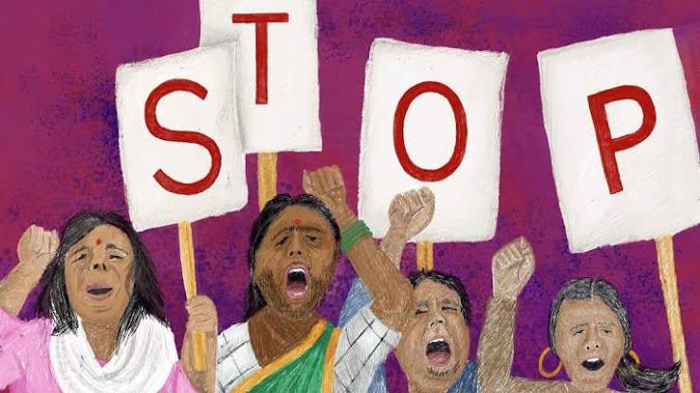
Recent protests in Delhi following reports of sexual violence highlight a different form of resistance. Women and girls have taken to the streets demanding safer public spaces, improved public transport and accountability. Their humorous slogans challenge social attitudes that place restrictions on women rather than addressing the causes of violence.
The protests question the idea that women must sacrifice their mobility and independence to remain safe. Instead of accepting protection in exchange for submissiveness, protesters are asserting their right to freedom, dignity and equal access to public spaces. Their actions raise an important question: can safety be achieved without limiting women’s choices? By demanding accountability rather than restrictions, these protests challenge the traditional terms of the patriarchal bargain.



.jfif&w=256&q=75)



.jpg&w=256&q=75)
.jpg&w=256&q=75)
.webp&w=256&q=75)

.jpg&w=256&q=75)
