


Dependence on a Few Crops and Popular Seafood Raises Concerns About Human Health and Food Security
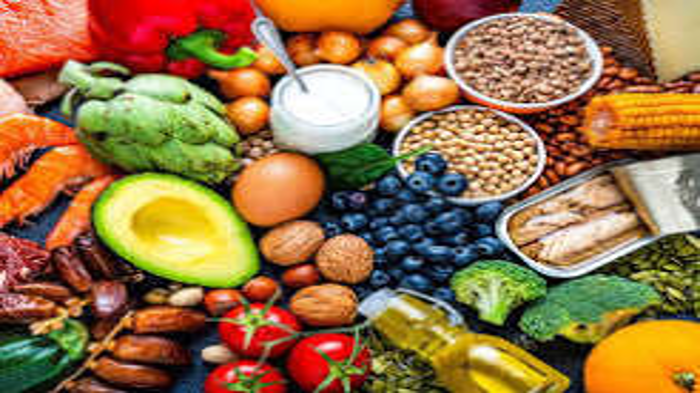
Human beings gained an evolutionary advantage from their ability to eat a wide variety of foods. However, recent research suggests that modern diets are becoming increasingly limited despite the abundance of food available today. Changing consumption patterns, industrial agriculture and dependence on a few popular food items are reducing dietary diversity across the world.
A study published in the journal People and Nature highlights this trend in Britain’s seafood consumption. Fish and seafood that were once widely consumed, including plaice, herring and oysters, have largely disappeared from everyday diets. Instead, consumption is concentrated around five popular choices: cod, haddock, salmon, prawns and tuna.

This trend reflects a broader paradox of modern life. While people have access to an expanding range of choices in areas such as fashion, entertainment and medicine, their diets are increasingly becoming similar. From New Delhi to New York, everyday meals often rely on a limited selection of commonly available ingredients.
One major reason is the dominance of monoculture farming, in which large areas of land are used to cultivate a single crop. Globally, a substantial share of human calorie intake comes from just eight major crops: rice, wheat, maize, potatoes, barley, palm oil, soybeans and sugar. This dependence reduces the variety of foods produced and consumed, despite the availability of numerous alternative crops and food sources.
The narrowing of diets has consequences beyond food preferences. Limited dietary diversity can affect nutritional balance and may contribute to health problems, including those associated with the growing global obesity crisis. A varied diet can help people obtain a broader range of essential nutrients.
Dependence on a small number of crops and animal species also makes food systems vulnerable to diseases and other disruptions. Historical examples illustrate these risks. A devastating banana disease once destroyed plantations across parts of South and Central America, while African swine fever spread across Asia in 2018, resulting in the culling of millions of pigs and disrupting pork supplies.
Such events demonstrate how dependence on a limited number of food sources can threaten production and supply chains when disease strikes.
Expanding dietary choices and encouraging the consumption of a wider variety of crops, fish and other foods could help address these challenges. Greater diversity in agriculture and food consumption would support nutritional health while strengthening resilience against future food crises.
The central lesson is that food abundance alone does not guarantee dietary diversity. Protecting a wider range of food sources and encouraging varied consumption habits are essential for healthier populations and more secure food systems.

AICSSYC 2026 Opens at SRMIST, Bringing Together AI Researchers and Young Professionals

Kerala High Court Quashes Criminal Case Against Teacher Accused of Injuring Student While Maintaining Discipline

AI’s Growing Mathematical Capabilities Raise Questions About the Future of Research
.jfif&w=256&q=75)
India-US Interim Trade Deal Talks Continue Amid Changing Global Trade Conditions
Modern Diets Are Becoming Less Diverse Despite the Growing Variety of Food Choices

Sahil Wakode death: Crime Branch records over 40 statements as parents allege caste discrimination at IIT Bombay

University of Melbourne, IISER Tirupati announce dual degree with two years of study in Australia

DAAD announces €6.5 million for AI research and sustainable infrastructure centres in Kenya and Ghana

UK universities withdraw admission offers as visa rules tighten for international students
.jpg&w=256&q=75)
FT Executive MBA Rankings 2026: ISB climbs to 38th, IIM Bangalore rises to 64th

AICSSYC 2026 Opens at SRMIST, Bringing Together AI Researchers and Young Professionals
Kerala High Court Quashes Criminal Case Against Teacher Accused of Injuring Student While Maintaining Discipline
AI’s Growing Mathematical Capabilities Raise Questions About the Future of Research
India-US Interim Trade Deal Talks Continue Amid Changing Global Trade Conditions
Modern Diets Are Becoming Less Diverse Despite the Growing Variety of Food Choices
Sahil Wakode death: Crime Branch records over 40 statements as parents allege caste discrimination at IIT Bombay
University of Melbourne, IISER Tirupati announce dual degree with two years of study in Australia
DAAD announces €6.5 million for AI research and sustainable infrastructure centres in Kenya and Ghana
UK universities withdraw admission offers as visa rules tighten for international students
FT Executive MBA Rankings 2026: ISB climbs to 38th, IIM Bangalore rises to 64th
Copyright© educationpost.in 2026 All Rights Reserved.