Strategic incentives and global partnerships aim to build a resilient domestic chip ecosystem

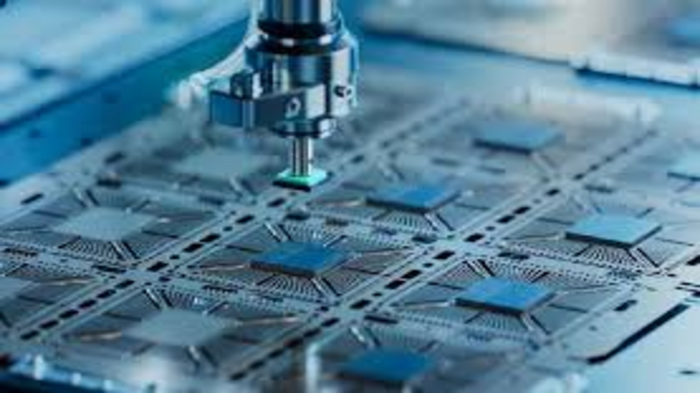
India is trying to make semiconductor manufacturing a big priority. They want to build a system for making chips in the country. This is because chips are very important for technology and for the economy.
The government is doing this because there are problems with getting chips from countries and many industries need them. These industries include electronics and cars and telecommunications and defence.

Some important things about this plan are:
* The India Semiconductor Mission is a part of this plan. The government is giving money and other help to companies that want to make chips in India.
* India is working with technology companies from other countries. These companies can bring technology and expertise to India.
* The government is also making sure that the places where chips are made have power and water and roads.
* They want to help companies and research institutions make new chip designs and technologies.
* They are also teaching people the skills they need to work in the semiconductor industry.
It is very important for India to make its chips. This is because India currently has to buy most of its chips from countries. If India can make its chips it will be less affected by problems in other countries.
This will also help India become more independent in terms of technology. India will be able to make parts of electronics and defence systems on its own.
The semiconductor industry can also create new jobs and help Indias economy grow. This is part of Indias plan to become a technology hub.
In the term making chips in India will help the country compete with other countries and contribute to growth that is good, for everyone.


NTA looks beyond India as DG Singh highlights BRICS cooperation and China’s Gaokao

NHAI to Upgrade 1033 Highway Helpline With AI, Real-Time Location Tracking

South Korea, ADB to Boost Cooperation on Critical Minerals, AI and Energy

Mithun Chakraborty Takes New Role as Bengal Cultural Adviser, Pushes Film, Tourism & Sports

India, MERCOSUR Sign Protocol to Enable Electronic Certificates of Origin for Trade

NTA looks beyond India as DG Singh highlights BRICS cooperation and China’s Gaokao

NEET-UG May Go Online Soon: NTA Chief Signals Shift From OMR To Computer-Based Exam

IIM Jammu's Nalanda Library goes digital, puts 2.5 lakh books online

MP school students to receive Aadhaar-style APAAR ID, 78.5% IDs generated so far
.webp&w=256&q=75)
DU defends Honours priority in one-year PG admissions, says preference is academically justified

NTA looks beyond India as DG Singh highlights BRICS cooperation and China’s Gaokao

NHAI to Upgrade 1033 Highway Helpline With AI, Real-Time Location Tracking

South Korea, ADB to Boost Cooperation on Critical Minerals, AI and Energy

Mithun Chakraborty Takes New Role as Bengal Cultural Adviser, Pushes Film, Tourism & Sports

India, MERCOSUR Sign Protocol to Enable Electronic Certificates of Origin for Trade

NTA looks beyond India as DG Singh highlights BRICS cooperation and China’s Gaokao

NEET-UG May Go Online Soon: NTA Chief Signals Shift From OMR To Computer-Based Exam

IIM Jammu's Nalanda Library goes digital, puts 2.5 lakh books online

MP school students to receive Aadhaar-style APAAR ID, 78.5% IDs generated so far
.webp&w=256&q=75)
DU defends Honours priority in one-year PG admissions, says preference is academically justified
Copyright© educationpost.in 2024 All Rights Reserved.
Designed and Developed by @Pyndertech