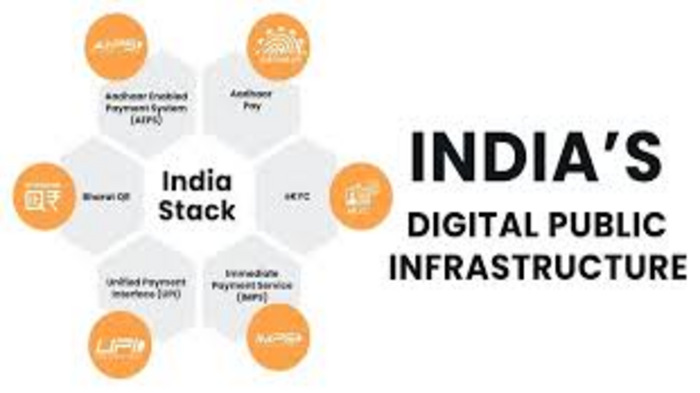
India’s digital public infrastructure (DPI), including platforms like Aadhaar, UPI, DigiLocker, and the National Digital Health Mission, has transformed the way citizens access services. From financial transactions and identity verification to healthcare and education, DPI has improved efficiency, transparency, and reach of government services.
These platforms have empowered citizens by reducing bureaucratic delays, promoting cashless transactions, and simplifying access to welfare schemes. For example, direct benefit transfers (DBT) through Aadhaar-linked accounts have ensured timely delivery of subsidies, minimizing leakages. Similarly, UPI has revolutionized digital payments, making transactions safe and convenient for millions of users.

However, achieving true digital inclusion requires addressing several challenges. Digital literacy is crucial so that citizens can use online services confidently. Efforts to educate rural populations, women, and marginalized communities can help bridge the digital divide. Data protection and privacy are equally important, ensuring that citizens’ personal information is secure and used responsibly. Moreover, accessibility features must be incorporated for differently-abled individuals and those with limited connectivity.
Experts emphasize that digital public infrastructure should not only facilitate convenience but also enhance equity and participation in governance. Public-private partnerships, awareness campaigns, and robust regulatory frameworks can strengthen DPI and expand its benefits to all sections of society.
In conclusion, India’s digital public infrastructure is a powerful tool for inclusive development, but its success depends on digital literacy, secure data practices, and universal accessibility.