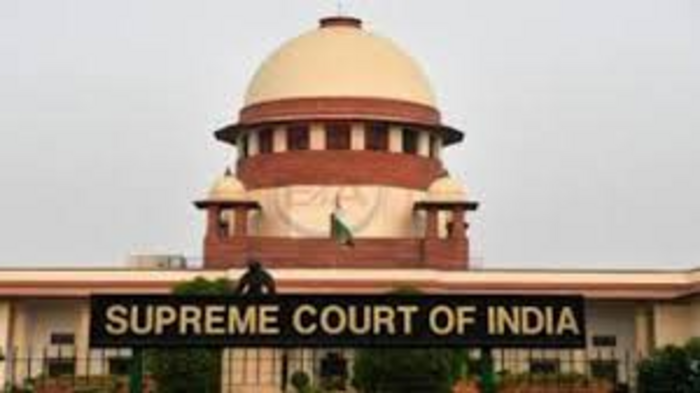
The Supreme Court of India is looking at online free speech issues. The Court wants to balance speech with accountability on the internet. This case is about governing platforms in todays fast-changing tech world.
Key Highlights:

* A big issue is balancing speech with making platforms accountable. Online platforms are now spaces for talking, debating and sharing information.
*. There are concerns about bad content, hate speech, fake news and misinformation. The Court is checking how to regulate these issues without hurting free speech rights.
* Another concern is people misusing media. Social media and online tools can be used to spread information harass people and manipulate public opinion.
* The Court is asking what responsibilities digital platforms have in monitoring content and being transparent and fair.
The Court will also look at the Constitution, Article 19(1)(a) which guarantees free speech and Article 19(2) which allows for reasonable restrictions. The challenge is making sure regulations are fair and do not lead to much censorship.
The Court wants rules for digital platforms, content moderation and user rights.
Significance:
* This case is crucial for democratic freedoms. Online platforms help people participate discuss politics and access information.
* The Courts decisions will shape Indias internet governance policies defining government, platform and user responsibilities.
* A balanced regulatory framework can promote online behavior protect rights and encourage digital economy innovation.
The Supreme Courts review of free speech issues is about balancing freedom and regulation online. By addressing accountability, misuse and constitutional freedoms the Court is helping create a secure and rights-based internet governance framework, in India.