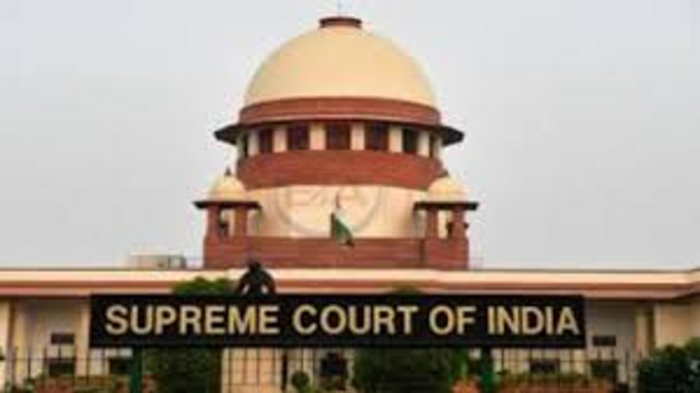
The Supreme Court of India is looking at petitions about privacy and surveillance. This is to answer questions about protecting personal data and how much power the state has in the digital world. These court cases are important for making Indias rules for governance better.
Key Highlights:

One issue the Court is looking at is balancing national security and the right to privacy. Governments say they need to watch people to keep them safe and stop terrorism.. People are worried that the government is watching too much and this can hurt their freedom.
The Court is also thinking about how to keep data safe. With many people using digital platforms and new technologies a lot of personal information is being collected. People who started these court cases want rules about how data is collected, stored and used.
Another important thing is making sure the government is accountable and transparent when it comes to surveillance. People want to know how the government is watching them and what is being done with their data.
This conversation is built on the idea that privacy's a basic right under Article 21 of the Constitution. This means people should be able to make their choices and be treated with dignity in the digital world.
Significance:
This court case is important for protecting rights like privacy, which is closely linked to personal freedom and dignity.
The Courts decisions will shape the future of governance by setting limits on surveillance and making rules for data protection.
If we have laws to protect digital privacy people will trust digital systems more and this will help the digital economy grow by making sure data is used responsibly.
The Supreme Court is looking at privacy issues because it is important to balance new technology with protecting peoples rights. By talking about surveillance, accountability and protecting data the Court is helping to make a digital governance framework that is safe, transparent and fair, in India. The Supreme Court of India is making sure that digital privacy is protected. Digital privacy is an issue and the Supreme Court of India is looking at it closely.