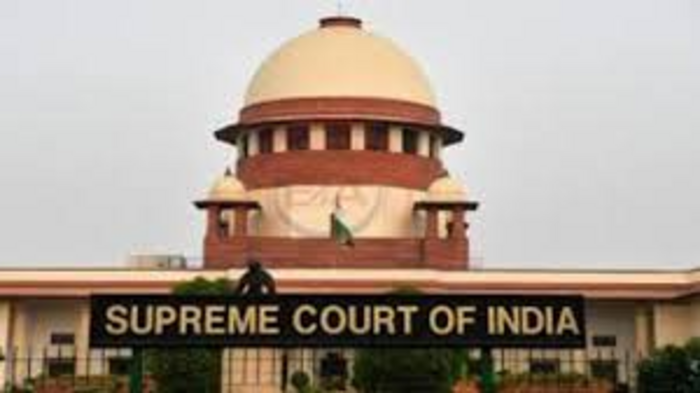
The Supreme Court of India has issued comprehensive guidelines to prevent arbitrary arrests and ensure greater accountability in law enforcement. The ruling comes amid growing concerns over misuse of arrest powers and emphasizes the need to uphold constitutional protections of individual liberty.
Key Highlights:
A key directive of the Court is the requirement for mandatory justification before making an arrest. Law enforcement authorities must clearly record reasons demonstrating the necessity of arrest, rather than using it as a routine or mechanical measure. This ensures that arrests are made only when absolutely required for investigation or to prevent further offences.

The Court strongly underscored the importance of protecting individual liberty, which is a fundamental right under Article 21 of the Indian Constitution. It reiterated that any deprivation of personal liberty must follow due process of law and cannot be arbitrary or excessive.
Emphasis was also placed on procedural fairness, including adherence to established legal safeguards such as informing the accused of the grounds of arrest, ensuring access to legal counsel, and maintaining proper documentation. The Court highlighted that failure to follow due procedure could render the arrest unlawful and invite judicial scrutiny.
Additionally, the judgment called for greater sensitization of police officials and strict compliance with existing legal frameworks to prevent abuse of power.
Significance:
These guidelines significantly strengthen the rule of law by ensuring that police powers are exercised within constitutional limits. By mandating accountability and transparency, the Court aims to curb arbitrary practices and protect citizens from unjustified detention.
The ruling also serves as a safeguard against misuse of authority, reinforcing public trust in the criminal justice system. It aligns law enforcement practices with constitutional values and human rights standards.
In the broader context, the decision will have far-reaching implications for policing and criminal procedure in India. It sets a precedent for balancing effective law enforcement with the protection of civil liberties, ensuring that justice is administered fairly and responsibly.