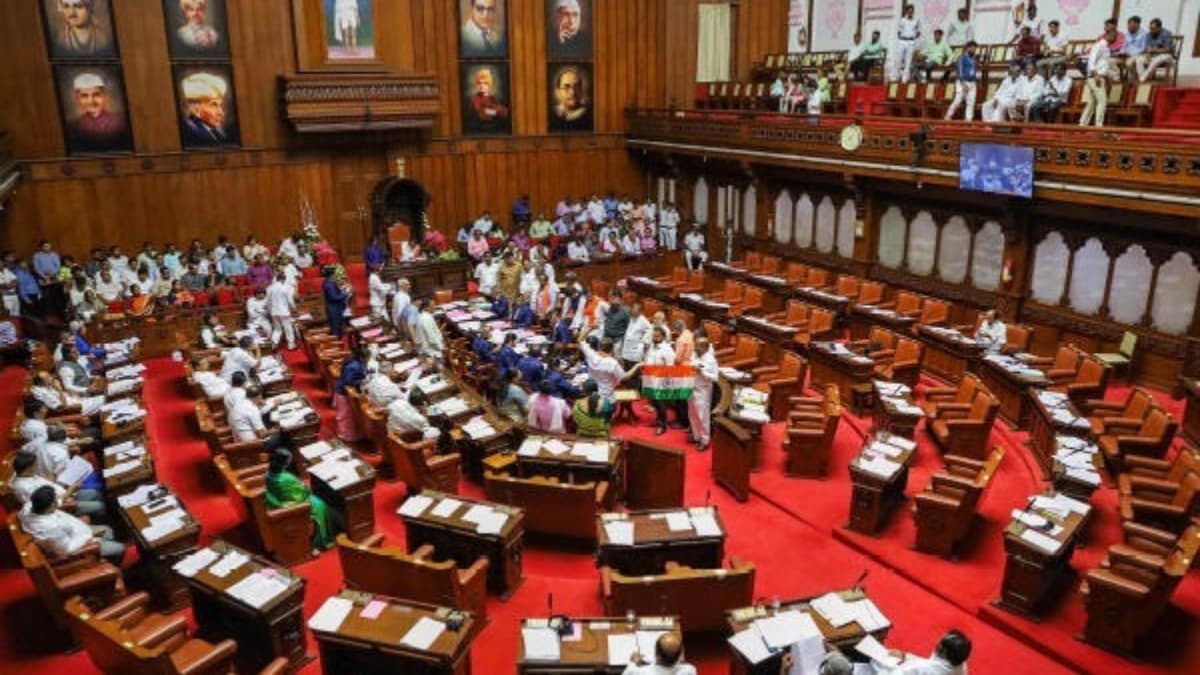
The Election Commission of India has announced that Rajya Sabha elections will be held on March 16 across 10 states to fill vacant seats in the Upper House of Parliament. These elections are conducted periodically as members retire after completing their six-year terms. The Rajya Sabha, also known as the Council of States, plays a crucial role in representing the interests of states in the national legislative process.
Unlike Lok Sabha elections, Rajya Sabha members are elected indirectly by the elected Members of Legislative Assemblies (MLAs) of respective states. The election follows the system of proportional representation through a single transferable vote, ensuring fair representation of political parties based on their strength in state legislatures. This system reflects India’s federal structure, where states participate in national law-making through their elected representatives.

The Rajya Sabha is a permanent body and cannot be dissolved, unlike the Lok Sabha. However, one-third of its members retire every two years, ensuring continuity in legislative functioning. This permanent nature provides stability to the parliamentary system and ensures that legislative work continues without interruption. The Parliament of India consists of the President, Lok Sabha, and Rajya Sabha, and both Houses play an important role in passing laws, debating policies, and holding the government accountable.
The significance of Rajya Sabha elections lies in their impact on legislative decision-making. The composition of the Rajya Sabha influences the passage of key bills, especially when the ruling government does not have a majority in the Upper House. It ensures checks and balances within the parliamentary system and promotes detailed discussion and scrutiny of legislation.
Overall, the announcement of Rajya Sabha elections is an essential part of India’s democratic process, ensuring representation of states, continuity in governance, and effective functioning of the parliamentary system.