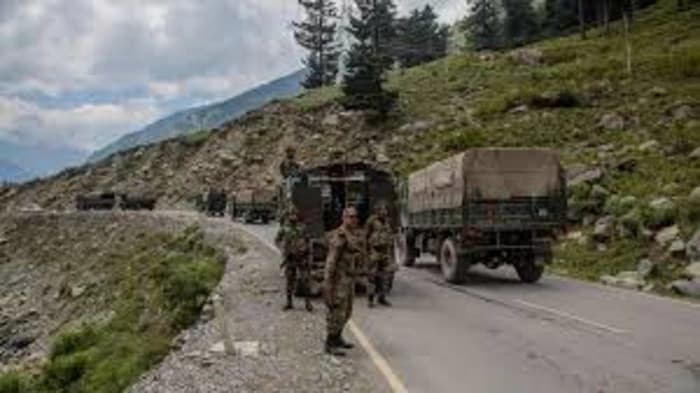
Tensions along the Line of Actual Control (LAC) between India and China continue to shape regional security dynamics, even as both sides maintain periodic diplomatic engagement. Recent reports indicate that infrastructure development, troop deployments, and patrol activities have intensified in certain border buffer zones, particularly in the western sector of Ladakh. While there have been no major escalations recently, satellite imagery and local intelligence suggest a pattern of gradual fortification by both nations, reflecting a cautious yet steady militarisation of the border areas. These developments underscore the persistence of low-intensity strategic competition and the importance of surveillance, logistics, and rapid deployment capabilities in the high-altitude terrain.
Strategic Implications for India’s Defence & Diplomacy
India faces multifaceted challenges from the evolving border situation. Militarily, the need to maintain high readiness, strengthen infrastructure, and modernise equipment remains a priority. Strategically, the quiet advances along the LAC necessitate a reassessment of contingency planning and force posture, balancing deterrence with risk avoidance. Diplomatically, India must continue leveraging bilateral mechanisms such as the Working Mechanism for Consultation & Coordination (WMCC) while exploring multilateral engagement and strategic partnerships to reduce tensions. The evolving dynamics also have broader implications for India’s regional posture, defence procurement policies, and cross-border trade management.

Policy Response and Institutional Imperatives
The government has responded with a combination of policy, infrastructure, and operational measures. These include accelerating road, rail, and air connectivity to forward areas, enhancing surveillance and reconnaissance capabilities, and maintaining robust troop deployment rotations. Institutional coordination between the armed forces, border management agencies, and intelligence services has been strengthened to ensure quick information flow and cohesive response strategies. Additionally, India’s diplomatic engagement continues with China to maintain communication channels and manage crises, while simultaneously pursuing strategic autonomy through alliances and defence cooperation with like-minded countries.
In the long term, managing the India-China border requires a careful blend of vigilance, deterrence, and diplomacy. Policymakers must ensure that infrastructure development, capacity building, and defence preparedness go hand-in-hand with dialogue and multilateral engagement. By doing so, India seeks to safeguard its territorial integrity, maintain regional stability, and strengthen its position as a resilient strategic actor in Asia.