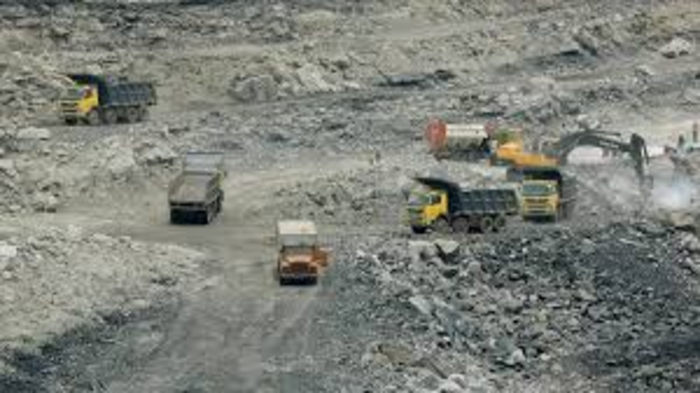
Negotiations between India and Zambia over access to minerals have slowed down. This raises concerns about the future of their cooperation in this sector. The talks are about securing mining rights and long-term supply of minerals like cobalt, copper and lithium. These minerals are essential for technologies.
A major issue in the talks is disagreement over who gets to access and own these resources.

India wants to ensure it has a supply to support its industrial and energy goals.Zambia wants to protect its resources and get the economic benefits for its country.These different priorities have caused delays in finalizing agreements.
Critical minerals like cobalt, copper and lithium are crucial for technologies, especially electric vehicles, batteries and renewable energy systems.
Zambia has many of these minerals making it an important partner for India.
India needs these resources to achieve its energy goals.The stalled talks are significant because they affect Indias access to these minerals.
As India shifts to clean energy and electric mobility it needs these resources more than ever.Any delay in getting them could slow down the adoption of technologies and industrial growth.
The situation also highlights the competition for critical minerals.Countries are trying to reduce their dependence on suppliers and find new sources.Partnerships with countries in these minerals are becoming key to international relations.
In summary the slowdown in India-Zambia talks shows how complex it is to negotiate resource agreements.These agreements must balance strategic and national interests.
For cooperation to move forward both countries need to have a dialogue and find mutually beneficial arrangements.
The critical minerals sector is too important to stall.India and Zambia must work together to secure their interests in minerals like cobalt, copper and lithium.
Their partnership is crucial for both countries future in energy and technology.The talks between India and Zambia, on minerals must succeed.



.jfif&w=256&q=75)