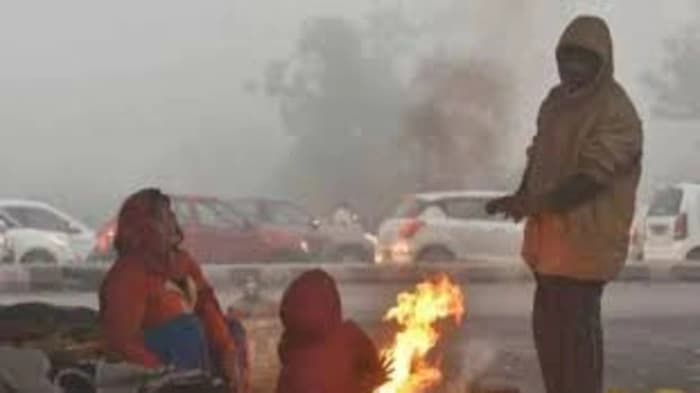
The India Meteorological Department (IMD) has issued widespread alerts for cold-wave conditions, dense fog, and snowfall across northern and parts of eastern India. States in the Indo-Gangetic plains and Himalayan regions are witnessing sharp drops in temperature, reduced visibility, and intermittent snowfall, significantly affecting daily life and economic activity.
Dense fog has severely disrupted road, rail, and air transportation, leading to flight delays, train cancellations, and increased road accidents due to poor visibility. Snowfall in higher altitudes has blocked key mountain passes and affected connectivity in hill states, while cold-wave conditions in the plains have led to prolonged exposure risks for outdoor workers and vulnerable populations.


The situation has important public health implications. Extreme cold increases the risk of hypothermia, respiratory illnesses, and cardiovascular stress, particularly among the elderly, children, homeless populations, and those with pre-existing conditions. Reduced visibility and icy conditions further heighten accident risks, underscoring the need for timely advisories and emergency preparedness.
From a governance and disaster management perspective, the IMD’s early warnings play a crucial role in enabling proactive responses. State authorities are expected to activate winter action plans, including night shelters, heating arrangements, and public advisories. Transport departments and local administrations must ensure coordination to minimise disruption and ensure safety.
Overall, the severe winter weather highlights the growing importance of weather-based early warning systems and climate-responsive planning. Strengthening inter-agency coordination, public communication, and community-level preparedness is essential to mitigate the impact of extreme winter events on lives and livelihoods.