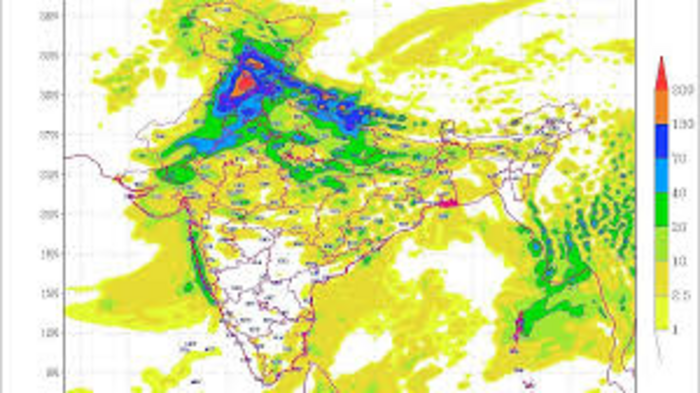
The India Meteorological Department (IMD) has issued weather alerts for nine northern and central states, forecasting cold wave conditions along with rain and thunderstorms from 22 to 25 January 2026. The advisory has prompted state authorities, farmers, and transport agencies to take precautionary measures as fluctuating winter weather is expected to disrupt normal conditions.
According to IMD projections, a combination of western disturbances and prevailing atmospheric conditions is likely to bring sharp drops in minimum temperatures, particularly during night and early morning hours. Several regions may experience cold wave to severe cold wave conditions, while parts of central India are expected to receive light to moderate rainfall accompanied by thunderstorms.

The weather department has urged farmers to follow agrometeorological advisories, especially in relation to standing rabi crops. Sudden cold stress and unseasonal rain can affect crop growth, irrigation schedules, and harvesting operations. Horticultural crops and livestock are also vulnerable during extreme cold conditions, prompting advisories on crop protection and animal shelter management.
Transport and civic authorities have been advised to remain alert, as dense fog, rainfall, and cold conditions could impact road, rail, and air traffic, particularly during early morning and late-night hours. Reduced visibility and wet road surfaces may increase the risk of accidents, while flight and train schedules could face delays.
From a public health perspective, IMD’s warning is significant as cold waves can aggravate respiratory illnesses, cardiovascular conditions, and seasonal infections, particularly among the elderly, children, and homeless populations. State governments have been advised to activate winter shelters and ensure availability of emergency medical services.
The forecast highlights increasing climate variability, with frequent extreme weather events becoming more common even during traditionally stable seasons. Experts emphasise that timely forecasting and dissemination of advisories play a crucial role in minimising losses and enhancing disaster preparedness.
Overall, the IMD’s alert underscores the importance of coordinated planning across agriculture, transport, and health sectors to mitigate the impacts of extreme winter weather and protect vulnerable communities.