


IMD forecast alters typical winter pattern
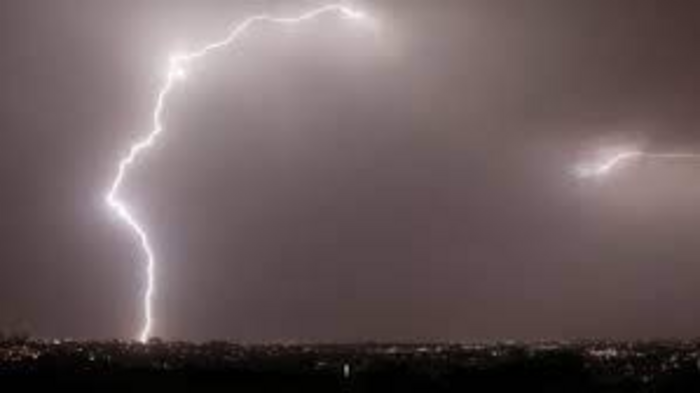
The India Meteorological Department (IMD) has forecast light rain and isolated thunderstorms in the Delhi–NCR region on 23 January, accompanied by cold surface winds and foggy mornings. The weather system marks a deviation from the region’s otherwise dry winter pattern and is expected to influence daily life, transportation and public health planning.
According to the IMD, the change in weather conditions is likely due to the influence of a western disturbance, a common winter phenomenon that occasionally brings rainfall and cloud cover to north-west India. While rainfall is expected to be light, the associated cloudiness and wind chill may lead to a drop in minimum temperatures, intensifying cold conditions during early morning and late-night hours.

The IMD has also warned of reduced visibility due to fog, particularly during morning hours, which could disrupt road, rail and air traffic. Commuters have been advised to remain cautious, and transport authorities are expected to issue advisories to minimise delays and ensure safety.
From a public health perspective, fluctuating weather conditions, cold winds and higher humidity levels can aggravate respiratory illnesses, seasonal infections and cold-related ailments, especially among children, the elderly and people with pre-existing health conditions. Health experts have advised adequate precautions, including warm clothing and timely medical care.
The rainfall may provide temporary relief from air pollution, as precipitation and winds can help disperse accumulated pollutants in the region. However, experts note that such improvement is usually short-lived unless supported by sustained meteorological changes.
Overall, the IMD’s forecast underscores the increasing variability in winter weather patterns, highlighting the importance of accurate weather prediction for urban planning, disaster preparedness and public safety. The advisory reflects the need for coordinated response by civic authorities to manage transport, health services and public communication during changing climatic conditions.

NIOS October Exam 2026: Class 10, 12 Theory Hall Tickets Released; Download Link Here
Haryana Open School Exams 2027: BSEH Extends Application Deadline to October 31

Gauhati University Places Six Faculty Members in World’s Top 2% Scientists List 2026
DU VC asks DUSU leaders to lead drug-free campus campaign, proposes wellness centers

Russia seeks to curb multiple university applications with upfront payment rule
.jpg&w=256&q=75)
From Class 8 to hospital owner: Rajasthan Police expose alleged fake doctor registration

Who will lead Keralam's universities? Government begins steps to appoint permanent VCs
%20(1)%20(1).jpeg&w=256&q=75)
Why does cracking JEE Advanced depend on coaching? IIT Kanpur Director calls for a revamp
.jpg&w=256&q=75)
NEET-PG 2026 answer key row: Supreme Court seeks NBEMS response on missing question papers
.png&w=256&q=75)
42 Iraqi universities feature in QS Arab Region University Rankings 2027

NIOS October Exam 2026: Class 10, 12 Theory Hall Tickets Released; Download Link Here
Haryana Open School Exams 2027: BSEH Extends Application Deadline to October 31
Gauhati University Places Six Faculty Members in World’s Top 2% Scientists List 2026
DU VC asks DUSU leaders to lead drug-free campus campaign, proposes wellness centers
Russia seeks to curb multiple university applications with upfront payment rule
From Class 8 to hospital owner: Rajasthan Police expose alleged fake doctor registration
Who will lead Keralam's universities? Government begins steps to appoint permanent VCs
Why does cracking JEE Advanced depend on coaching? IIT Kanpur Director calls for a revamp
NEET-PG 2026 answer key row: Supreme Court seeks NBEMS response on missing question papers
42 Iraqi universities feature in QS Arab Region University Rankings 2027
Copyright© educationpost.in 2026 All Rights Reserved.