


Rising particulate levels and emission sources prompt urgent calls for cleaner energy and stricter regulations
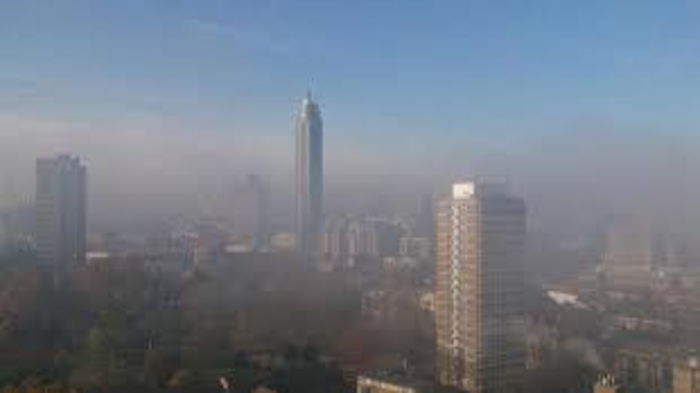
Urban air pollution continues to be a pressing environmental and public health challenge in major Indian cities. Recent assessments indicate a decline in air quality levels, with pollution reaching hazardous levels in several metropolitan regions, raising concerns among policymakers and citizens alike.
Key Highlights:
A significant contributor to deteriorating air quality is the increase in particulate matter levels, particularly PM2.5 and PM10, which pose serious health risks due to their ability to penetrate deep into the respiratory system. These pollutants are often recorded at levels exceeding safe limits prescribed by environmental authorities.

Vehicular emissions and industrial pollution remain the primary sources of urban air pollution. The rapid growth in the number of vehicles, coupled with reliance on fossil fuels, has led to increased emissions of harmful gases. Industrial activities, construction dust, and waste burning further exacerbate the problem, especially in densely populated areas.
In response, the government is focusing on a clean energy transition by promoting electric vehicles, renewable energy sources, and stricter emission norms. Initiatives such as National Clean Air Programme aim to reduce pollution levels through coordinated efforts across cities.
Additionally, measures such as improved public transport, stricter industrial regulations, and awareness campaigns are being implemented to address the issue holistically.
Significance:
Urban air pollution has severe implications for public health, contributing to respiratory diseases, cardiovascular conditions, and reduced life expectancy. Vulnerable groups such as children and the elderly are particularly at risk.
The issue also underscores the need for stronger environmental regulations and effective enforcement mechanisms. Without sustained efforts, pollution levels could continue to rise, undermining quality of life and economic productivity.
In the broader context, tackling air pollution is essential for achieving sustainable development goals and ensuring environmental sustainability. Cleaner air not only improves health outcomes but also enhances overall urban livability.
Addressing this challenge requires coordinated action from government, industry, and citizens to transition toward cleaner technologies and adopt environmentally responsible practices.
.jpg&w=256&q=75)
From Class 8 to hospital owner: Rajasthan Police expose alleged fake doctor registration

ENTOD Pharmaceuticals Partners with DPGU and BNCP to Advance Pharmaceutical Research

IIT Kanpur Concludes Samanvay 2026, Announces Gates Foundation Partnership on Affordable Diagnostics

Who will lead Keralam's universities? Government begins steps to appoint permanent VCs

OILF, Rangeet Expand SEEK Curriculum to 180 Schools Across Mumbai
From Class 8 to hospital owner: Rajasthan Police expose alleged fake doctor registration
Who will lead Keralam's universities? Government begins steps to appoint permanent VCs
%20(1)%20(1).jpeg&w=256&q=75)
Why does cracking JEE Advanced depend on coaching? IIT Kanpur Director calls for a revamp
.jpg&w=256&q=75)
NEET-PG 2026 answer key row: Supreme Court seeks NBEMS response on missing question papers
.png&w=256&q=75)
42 Iraqi universities feature in QS Arab Region University Rankings 2027

From Class 8 to hospital owner: Rajasthan Police expose alleged fake doctor registration
ENTOD Pharmaceuticals Partners with DPGU and BNCP to Advance Pharmaceutical Research
IIT Kanpur Concludes Samanvay 2026, Announces Gates Foundation Partnership on Affordable Diagnostics
Who will lead Keralam's universities? Government begins steps to appoint permanent VCs
OILF, Rangeet Expand SEEK Curriculum to 180 Schools Across Mumbai
From Class 8 to hospital owner: Rajasthan Police expose alleged fake doctor registration
Who will lead Keralam's universities? Government begins steps to appoint permanent VCs
Why does cracking JEE Advanced depend on coaching? IIT Kanpur Director calls for a revamp
NEET-PG 2026 answer key row: Supreme Court seeks NBEMS response on missing question papers
42 Iraqi universities feature in QS Arab Region University Rankings 2027
Copyright© educationpost.in 2026 All Rights Reserved.