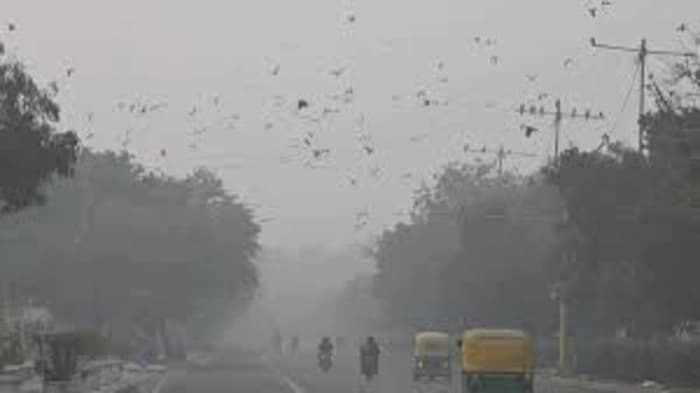
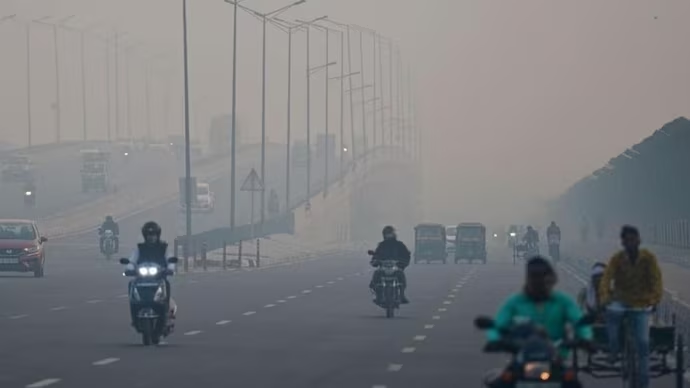
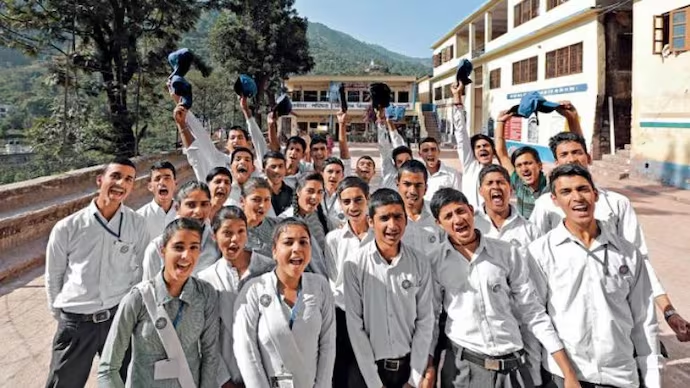
The sharp deterioration of air quality across several Indian cities has reignited debate over whether schools should remain open during periods of hazardous pollution. With Air Quality Index (AQI) levels frequently crossing “severe” categories—especially in northern cities like Delhi, Gurugram, Noida, and Lucknow—parents, educators, and medical experts have expressed concern over the direct threat to children’s health. Children are more vulnerable because they breathe faster, have developing lungs, and spend more time outdoors in school environments.
Prolonged exposure to toxic air is linked to respiratory infections, asthma, reduced lung capacity, and long-term developmental issues. Studies have shown that high particulate matter (PM2.5 and PM10) levels can impair cognitive development and academic performance. Frequent coughing, headaches, fatigue, and irritation also reduce classroom participation, concentration, and learning outcomes. These health concerns have raised questions about whether traditional schooling schedules should continue uninterrupted during severe pollution spells.


Governments in Delhi NCR and other high-pollution states often resort to ad-hoc measures, such as closing schools, shifting to online classes, or restricting outdoor activities. However, critics argue that such responses lack a standardised national policy, leading to confusion for parents and inconsistent learning experiences for students. Education experts call for a structured protocol similar to heatwave guidelines — specifying clear thresholds for school closures, mandatory indoor air quality checks, and minimum ventilation standards.
Some states have begun installing air purifiers, improving classroom ventilation, and promoting mask usage, but implementation is uneven due to high costs and infrastructure gaps. There is also a growing push for including air quality education in school curricula to build awareness among students and communities.
Ultimately, policy-makers are being urged to address the issue at its root: reducing emissions from transport, industry, and construction. While short-term measures protect children temporarily, only long-term environmental reforms can ensure that schooling is not repeatedly disrupted by toxic air.