


The Indian government aims to establish new guidelines to limit air conditioner (AC) temperature settings to a range of 20 to 28 degrees Celsius in order to decrease peak energy consumption
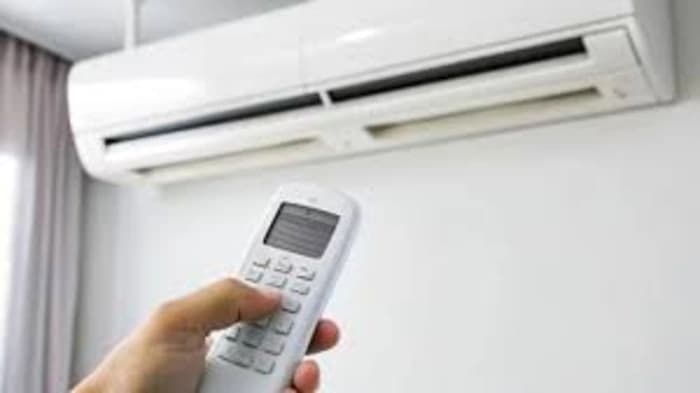
Increasing Need for Cooling in India
Cooling Demand Statistics: Approximately 50 GW, which is almost 20% of India's peak electricity demand, is due to cooling.

Increase in AC Usage: India presently possesses 10 crore ACs, with an additional 1.5 crore units introduced annually.
Energy-Saving Potential: A 1°C rise in AC temperature results in a 6% reduction in electricity usage.
How do Air Conditioners operate?
An air conditioner functions by transferring heat from one area to another. ACs extract heat from interior areas through a vapor-compression process that utilizes a refrigerant (liquid).
Essential Elements:
The evaporator takes in heat and eliminates moisture.
The compressor compresses the vapor, using the highest amount of energy.
The condenser expels heat and converts vapor back into liquid.
The expansion device controls pressure and temperature prior to recirculation.
Requirement for Temperature Standardization
The Bureau of Energy Efficiency (BEE) has suggested establishing the default temperature at 24°C.
Temperatures ranging from 18–21°C in public spaces (airports, hotels, offices) do not improve cooling efficiency, but instead result in energy waste and discomfort from overly chilly conditions.
Human Comfort Standards: The comfort chart indicates that temperatures reaching 25°C are pleasant if there is sufficient humidity and air flow.
The World Health Organization (WHO) advises keeping indoor temperatures above 18°C to prevent negative health effects such as respiratory infections, high blood pressure, and diminished cognitive abilities.
What are the difficulties?
Just 20% of air conditioners sold receive a 5-star rating. BEE's efficiency rating limits are currently relaxed and will be revised to be stricter by 2028.
Although there are building codes such as the Energy Conservation Building Code (ECBC), execution is still inadequate. Incentives must be provided for passive cooling designs.
Path Forward
Advocate for Passive Cooling Solutions: Support architectural elements such as cross-ventilation, shaded exteriors, thermal insulation, and green roofs.
Encourage via urban design regulations and economically accessible housing initiatives.
Awareness Initiatives: Inform consumers about the health and economic advantages of maintaining air conditioners at 24–26°C.

Morocco opens inclusive university for deaf and hearing students in Rabat

Kuwait University opens petroleum lab to train geology students

UP Board Extends Deadline to October 22 for 5,905 Schools to Submit Class 9, 11 Student Lists

NIOS October Exam 2026: Class 10, 12 Theory Hall Tickets Released; Download Link Here

Haryana Open School Exams 2027: BSEH Extends Application Deadline to October 31
.jpg&w=256&q=75)
From Class 8 to hospital owner: Rajasthan Police expose alleged fake doctor registration

Who will lead Keralam's universities? Government begins steps to appoint permanent VCs
%20(1)%20(1).jpeg&w=256&q=75)
Why does cracking JEE Advanced depend on coaching? IIT Kanpur Director calls for a revamp
.jpg&w=256&q=75)
NEET-PG 2026 answer key row: Supreme Court seeks NBEMS response on missing question papers
.png&w=256&q=75)
42 Iraqi universities feature in QS Arab Region University Rankings 2027

Morocco opens inclusive university for deaf and hearing students in Rabat
Kuwait University opens petroleum lab to train geology students
UP Board Extends Deadline to October 22 for 5,905 Schools to Submit Class 9, 11 Student Lists
NIOS October Exam 2026: Class 10, 12 Theory Hall Tickets Released; Download Link Here
Haryana Open School Exams 2027: BSEH Extends Application Deadline to October 31
From Class 8 to hospital owner: Rajasthan Police expose alleged fake doctor registration
Who will lead Keralam's universities? Government begins steps to appoint permanent VCs
Why does cracking JEE Advanced depend on coaching? IIT Kanpur Director calls for a revamp
NEET-PG 2026 answer key row: Supreme Court seeks NBEMS response on missing question papers
42 Iraqi universities feature in QS Arab Region University Rankings 2027
Copyright© educationpost.in 2026 All Rights Reserved.