


The achievement highlights India’s commitment to sustainable development, climate action, and leadership in the global renewable energy sector
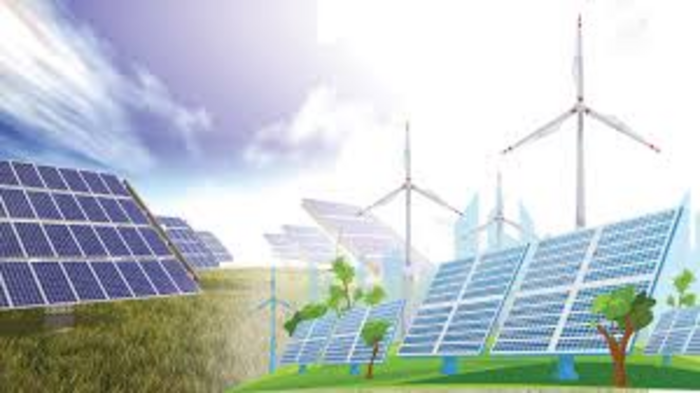
India has reached a significant milestone by generating 50% of its electricity from renewable sources, including solar, wind, and hydro power. This accomplishment underscores the country’s growing shift towards clean energy and demonstrates the effectiveness of long-term government policies aimed at promoting sustainable energy solutions.
The government credits initiatives like the National Solar Mission, wind energy development programs, and green energy subsidies for this achievement. By supporting both large-scale renewable projects and decentralized energy solutions, these policies have helped expand capacity, attract investment, and encourage innovation in the sector. Additionally, incentives and regulatory support have accelerated private sector participation, creating new jobs and boosting economic growth in the green energy industry.

Experts note that achieving 50% renewable energy generation is a major step in reducing India’s carbon footprint. By decreasing reliance on fossil fuels, the country is lowering greenhouse gas emissions and contributing to global climate change mitigation efforts. The milestone also enhances energy security by diversifying India’s energy mix and reducing dependence on imported fuels.
Furthermore, India’s success in renewable energy positions it as a global leader in sustainable power generation. It showcases the nation’s ability to combine policy support, technological adoption, and investment to achieve ambitious climate and energy goals.
Challenges remain, including integrating renewable energy into the national grid, addressing storage limitations, and ensuring equitable access to green power across regions. Nevertheless, the achievement marks a major step toward India’s long-term goal of carbon neutrality and a sustainable energy future.
Overall, reaching the 50% renewable energy milestone reflects India’s dedication to environmental stewardship, innovation, and global leadership in clean energy, signaling a promising path toward a greener and more resilient economy.

NIOS October Exam 2026: Class 10, 12 Theory Hall Tickets Released; Download Link Here

Haryana Open School Exams 2027: BSEH Extends Application Deadline to October 31

Gauhati University Places Six Faculty Members in World’s Top 2% Scientists List 2026

DU VC asks DUSU leaders to lead drug-free campus campaign, proposes wellness centers

Russia seeks to curb multiple university applications with upfront payment rule
.jpg&w=256&q=75)
From Class 8 to hospital owner: Rajasthan Police expose alleged fake doctor registration

Who will lead Keralam's universities? Government begins steps to appoint permanent VCs
%20(1)%20(1).jpeg&w=256&q=75)
Why does cracking JEE Advanced depend on coaching? IIT Kanpur Director calls for a revamp
.jpg&w=256&q=75)
NEET-PG 2026 answer key row: Supreme Court seeks NBEMS response on missing question papers
.png&w=256&q=75)
42 Iraqi universities feature in QS Arab Region University Rankings 2027

NIOS October Exam 2026: Class 10, 12 Theory Hall Tickets Released; Download Link Here
Haryana Open School Exams 2027: BSEH Extends Application Deadline to October 31
Gauhati University Places Six Faculty Members in World’s Top 2% Scientists List 2026
DU VC asks DUSU leaders to lead drug-free campus campaign, proposes wellness centers
Russia seeks to curb multiple university applications with upfront payment rule
From Class 8 to hospital owner: Rajasthan Police expose alleged fake doctor registration
Who will lead Keralam's universities? Government begins steps to appoint permanent VCs
Why does cracking JEE Advanced depend on coaching? IIT Kanpur Director calls for a revamp
NEET-PG 2026 answer key row: Supreme Court seeks NBEMS response on missing question papers
42 Iraqi universities feature in QS Arab Region University Rankings 2027
Copyright© educationpost.in 2026 All Rights Reserved.