


Revitalising River Health Through Integrated and Sustainable Interventions
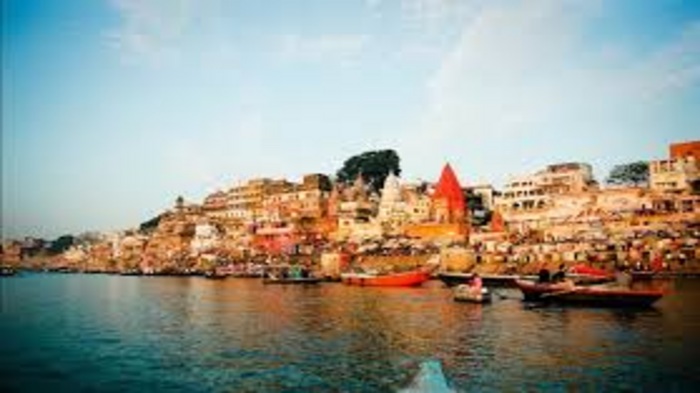
The Government of India has announced a renewed and strengthened focus under the National Mission for Clean Ganga (NMCG) as part of the Namami Gange Programme, aiming to accelerate the rejuvenation of the Ganga river system. The enhanced approach emphasises sewage treatment, riverfront development, and biodiversity conservation to ensure long-term ecological and public health benefits.
A key priority is the expansion and upgradation of sewage treatment infrastructure. Untreated and partially treated urban wastewater remains one of the largest sources of pollution in the Ganga. The Centre has reiterated its commitment to setting up new sewage treatment plants (STPs), upgrading existing facilities, and ensuring efficient operation and maintenance through public–private partnership models. Integration of sewer networks with urban planning initiatives is expected to improve wastewater management outcomes.

The programme also focuses on riverfront development, aimed at restoring the cultural and ecological interface between communities and the river. Riverfront projects seek to prevent encroachment, manage solid waste, improve sanitation, and create public spaces while ensuring ecological sensitivity. Such initiatives promote citizen engagement and stewardship of river resources.
Another important pillar is biodiversity conservation. Efforts are being intensified to protect and revive aquatic life, including flagship species such as the Gangetic dolphin. Measures include afforestation along riverbanks, restoration of wetlands, and maintaining ecological flows to support riverine ecosystems.
The strengthened mission emphasises inter-agency coordination, community participation, and data-driven monitoring. Use of real-time water quality monitoring systems and involvement of local bodies, NGOs, and volunteers are central to sustaining gains achieved so far.
Significance
Strengthening the National Mission for Clean Ganga supports river rejuvenation, improves public health, and promotes sustainable water management. By combining infrastructure development with ecological conservation and community participation, the initiative advances India’s environmental governance and long-term water security goals.
NIOS October Exam 2026: Class 10, 12 Theory Hall Tickets Released; Download Link Here
Haryana Open School Exams 2027: BSEH Extends Application Deadline to October 31
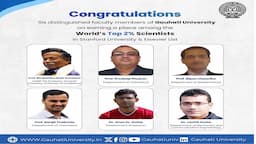
Gauhati University Places Six Faculty Members in World’s Top 2% Scientists List 2026
DU VC asks DUSU leaders to lead drug-free campus campaign, proposes wellness centers
Russia seeks to curb multiple university applications with upfront payment rule
.jpg&w=256&q=75)
From Class 8 to hospital owner: Rajasthan Police expose alleged fake doctor registration

Who will lead Keralam's universities? Government begins steps to appoint permanent VCs
%20(1)%20(1).jpeg&w=256&q=75)
Why does cracking JEE Advanced depend on coaching? IIT Kanpur Director calls for a revamp
.jpg&w=256&q=75)
NEET-PG 2026 answer key row: Supreme Court seeks NBEMS response on missing question papers
.png&w=256&q=75)
42 Iraqi universities feature in QS Arab Region University Rankings 2027

NIOS October Exam 2026: Class 10, 12 Theory Hall Tickets Released; Download Link Here
Haryana Open School Exams 2027: BSEH Extends Application Deadline to October 31
Gauhati University Places Six Faculty Members in World’s Top 2% Scientists List 2026
DU VC asks DUSU leaders to lead drug-free campus campaign, proposes wellness centers
Russia seeks to curb multiple university applications with upfront payment rule
From Class 8 to hospital owner: Rajasthan Police expose alleged fake doctor registration
Who will lead Keralam's universities? Government begins steps to appoint permanent VCs
Why does cracking JEE Advanced depend on coaching? IIT Kanpur Director calls for a revamp
NEET-PG 2026 answer key row: Supreme Court seeks NBEMS response on missing question papers
42 Iraqi universities feature in QS Arab Region University Rankings 2027
Copyright© educationpost.in 2026 All Rights Reserved.