


Stricter fuel efficiency standards push the auto industry toward mobility
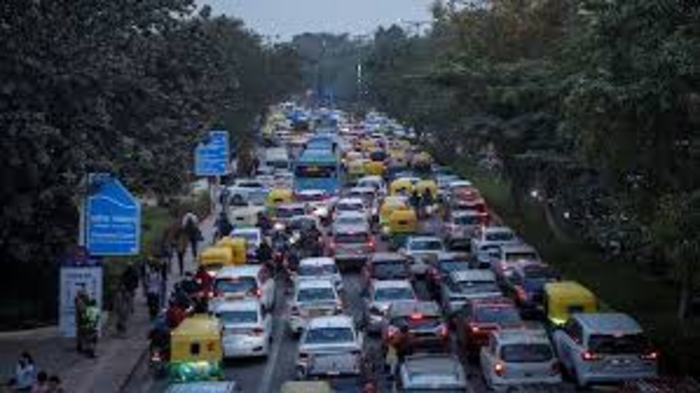
The auto sector in India is getting ready to follow the new CAFE-III norms. These norms are meant to make vehicles more fuel efficient and reduce the things they put into the air. This is part of a plan to reduce carbon output and make transportation more sustainable.
The CAFE norms tell auto companies what they need to do to make their vehicles more fuel efficient. The new rules will be stricter so companies will have to use technologies make their engines work better and sell more vehicles that do not make as much pollution.

The main goal of these norms is to reduce the things that vehicles put into the air. This is a problem in cities and it also contributes to climate change. So auto companies are investing in vehicles, hybrid vehicles and different kinds of fuel to meet the new rules. The government is also helping by giving incentives and making policies that support mobility.
The government and the auto industry are working together to make sure the new norms are fair and good for everyone. They want to protect the environment without hurting the auto industry. New technologies and better infrastructure are very important for this.
These norms are important because they will help India keep its promises to reduce climate change. Reducing the things that vehicles put into the air is necessary to meet the targets set by international agreements like the Paris Climate Accord. When vehicles are fuel efficient people also save money on fuel and do not have to rely so much on fossil fuels.
Also the push for vehicles will help create a better system for transportation, which will lead to new ideas, investments and jobs. It will also make the air cleaner and people healthier in cities.
Overall following the CAFE-III norms is a step toward making transportation more sustainable. It will help India meet its goals while also growing the economy and advancing technology. The CAFE-III norms are very important for the auto sector and, for the environment.
.jpg&w=256&q=75)
From Class 8 to hospital owner: Rajasthan Police expose alleged fake doctor registration

ENTOD Pharmaceuticals Partners with DPGU and BNCP to Advance Pharmaceutical Research

IIT Kanpur Concludes Samanvay 2026, Announces Gates Foundation Partnership on Affordable Diagnostics

Who will lead Keralam's universities? Government begins steps to appoint permanent VCs

OILF, Rangeet Expand SEEK Curriculum to 180 Schools Across Mumbai
From Class 8 to hospital owner: Rajasthan Police expose alleged fake doctor registration
Who will lead Keralam's universities? Government begins steps to appoint permanent VCs
%20(1)%20(1).jpeg&w=256&q=75)
Why does cracking JEE Advanced depend on coaching? IIT Kanpur Director calls for a revamp
.jpg&w=256&q=75)
NEET-PG 2026 answer key row: Supreme Court seeks NBEMS response on missing question papers
.png&w=256&q=75)
42 Iraqi universities feature in QS Arab Region University Rankings 2027

From Class 8 to hospital owner: Rajasthan Police expose alleged fake doctor registration
ENTOD Pharmaceuticals Partners with DPGU and BNCP to Advance Pharmaceutical Research
IIT Kanpur Concludes Samanvay 2026, Announces Gates Foundation Partnership on Affordable Diagnostics
Who will lead Keralam's universities? Government begins steps to appoint permanent VCs
OILF, Rangeet Expand SEEK Curriculum to 180 Schools Across Mumbai
From Class 8 to hospital owner: Rajasthan Police expose alleged fake doctor registration
Who will lead Keralam's universities? Government begins steps to appoint permanent VCs
Why does cracking JEE Advanced depend on coaching? IIT Kanpur Director calls for a revamp
NEET-PG 2026 answer key row: Supreme Court seeks NBEMS response on missing question papers
42 Iraqi universities feature in QS Arab Region University Rankings 2027
Copyright© educationpost.in 2026 All Rights Reserved.