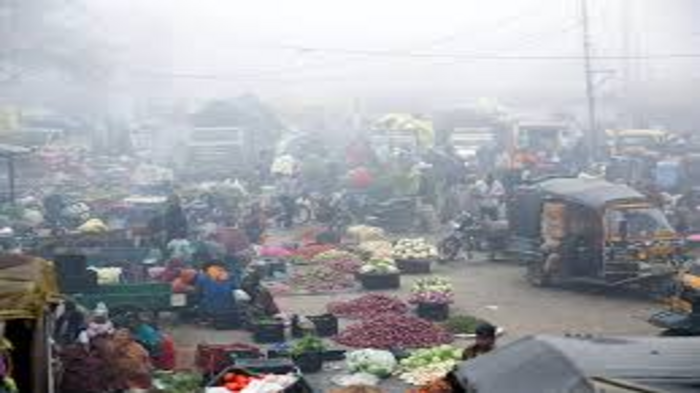
India’s retail inflation, measured by the Consumer Price Index (CPI), is estimated to have edged up to around 1.66% in December 2025, primarily driven by a rise in food prices, particularly vegetables such as tomatoes. Despite this marginal increase, inflation remains well within the Reserve Bank of India’s (RBI) tolerance band of 2–6%, indicating a broadly stable price environment.
What happened:
After several months of subdued inflation, December witnessed a mild uptick largely due to seasonal supply constraints in food items. Vegetable prices, which are highly volatile and sensitive to weather disruptions, saw an increase owing to transportation bottlenecks, cold-wave conditions in parts of northern India, and temporary supply shortages. Cereals and pulses remained relatively stable, while fuel inflation continued to be muted due to controlled global oil prices and government interventions.

Earlier, the RBI had revised its CPI inflation outlook for FY 2025–26 downward to around 2.0%, reflecting confidence in macroeconomic stability, effective supply-side management, and moderation in core inflation (excluding food and fuel). The December uptick does not alter the broader disinflationary trend observed over the year.
Policy context:
Low and stable inflation provides policy space for the RBI to maintain a growth-supportive monetary stance. It also reflects the impact of coordinated fiscal and administrative measures, including buffer stock releases, export restrictions on essential commodities, and price-monitoring mechanisms.
Why it matters:
- Consumer welfare: Food inflation directly affects household budgets, especially for lower-income groups.
- Monetary policy: Inflation trends influence RBI’s interest rate decisions and liquidity management.
- Growth outlook: Price stability supports consumption demand and investment confidence.
- Fiscal planning: Helps government manage subsidies and welfare spending more effectively.
Conclusion:
While retail inflation in December 2025 shows a slight increase, it remains benign and manageable. Continued vigilance on food supply chains, coupled with prudent monetary policy, will be crucial to sustaining price stability and supporting India’s economic recovery trajectory.