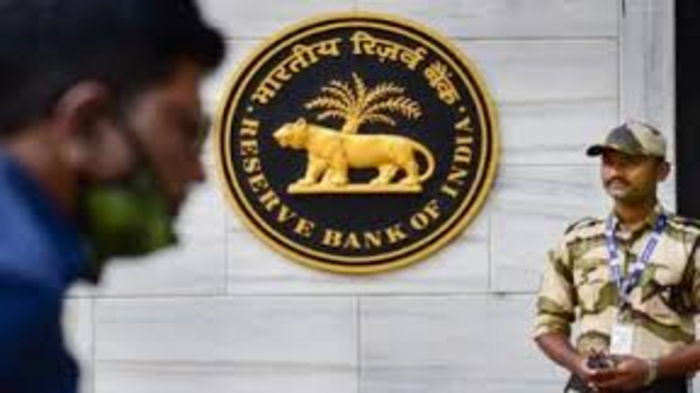
The Reserve Bank of India (RBI) has introduced a comprehensive framework mandating banks and financial institutions to conduct climate risk stress testing as part of their risk management practices. The move reflects growing recognition that climate change poses significant systemic risks to the financial sector and can have far-reaching macroeconomic consequences.
Climate-related financial risks broadly arise from two sources: physical risks and transition risks. Physical risks stem from extreme weather events such as floods, cyclones, droughts, and heatwaves, which can damage assets, disrupt supply chains, and impair borrowers’ repayment capacity. Transition risks emerge from policy changes, technological shifts, and market adjustments associated with the transition to a low-carbon economy, potentially leading to stranded assets and valuation losses.

Under the new framework, regulated entities are required to assess the impact of different climate scenarios on their balance sheets through structured stress tests. These exercises involve evaluating credit, market, and liquidity risks under adverse climate-related conditions over short-, medium-, and long-term horizons. Banks are also encouraged to improve data collection, scenario analysis, and internal governance mechanisms related to climate risk management.
The RBI has emphasised a phased and proportionate approach, recognising existing data limitations and capacity constraints. The framework aligns with global best practices advocated by bodies such as the Network for Greening the Financial System (NGFS) and the Basel Committee on Banking Supervision. It also complements India’s broader climate commitments, including its Nationally Determined Contributions and net-zero targets.
By integrating climate risks into supervisory oversight, the RBI aims to enhance transparency, promote better risk pricing, and encourage financial institutions to factor climate considerations into lending and investment decisions. Over time, this is expected to facilitate the flow of finance towards sustainable and climate-resilient sectors.
Significance
The framework strengthens the resilience of India’s financial system against climate-induced economic shocks. It improves preparedness, reduces systemic vulnerabilities, and supports an orderly transition towards a sustainable and low-carbon economy while safeguarding financial stability.