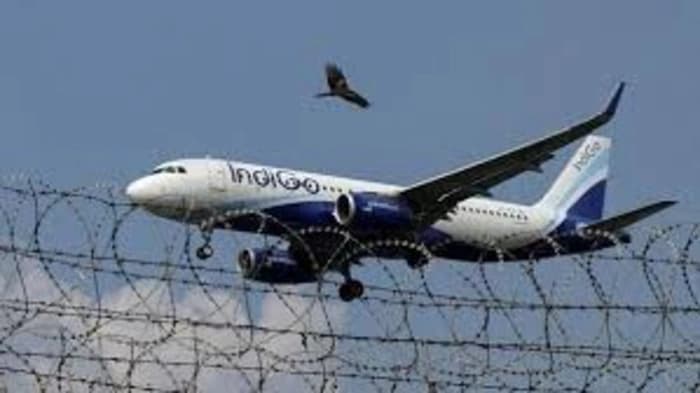
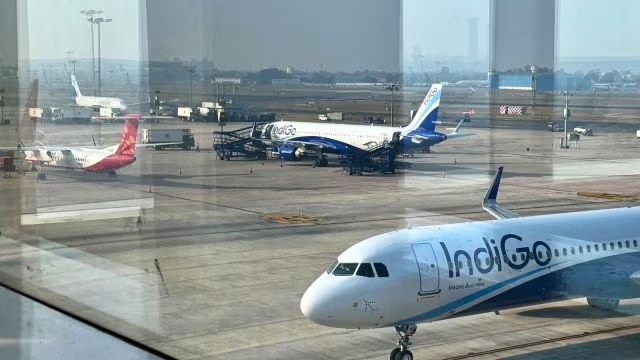
India’s civil aviation sector witnessed one of its most serious operational disruptions in recent years as IndiGo cancelled nearly 400 flights across the country on 5 December 2025, marking the fourth consecutive day of large-scale cancellations. According to Reuters, the cancellations were triggered by an acute pilot shortage, exacerbating delays and creating a nationwide travel bottleneck ahead of the winter travel rush.
Thousands of passengers across major airports — Delhi, Mumbai, Bengaluru and Hyderabad — were stranded or forced to rebook flights at significantly higher fares. The crisis sparked concerns over the preparedness of India’s rapidly expanding aviation ecosystem.

Government Steps In: Night-Duty Regulations Temporarily Suspended
A Balancing Act Between Operational Continuity and Pilot Welfare
Faced with spiralling cancellations and mounting public frustration, the government initiated an urgent regulatory intervention. As reported by Reuters, authorities temporarily suspended specific provisions governing pilots’ night-duty hours under India’s Flight Duty Time Limitations (FDTL) rules.
This move aims to immediately increase pilot availability, ensuring airlines can stabilise operations. However, the decision has sparked debate within aviation safety circles. FDTL norms are designed to prevent pilot fatigue — a critical safety concern. Temporarily easing these rules raises the question of whether operational necessity is being prioritised over safety.
Pilot unions and labour groups have expressed unease, arguing that structural issues such as crew planning, training bottlenecks, and over-scheduling cannot be resolved through regulatory relaxations.
Broader Impact: Systemic Gaps Exposed
Airline Capacity, Labour Rights, and Regulatory Oversight Under Spotlight

The mass cancellations underline a deeper vulnerability within India’s aviation sector, which has grown rapidly but continues to face limitations in crew management, fleet planning, labour relations, and regulatory enforcement.
For passengers, the disruption meant missed connections, financial losses, and overcrowding at major terminals — reflecting the limited resilience of airport infrastructure when faced with sudden shocks.
For policymakers, the crisis raises urgent questions:
- Are current FDTL regulations adequate and aligned with global safety standards?
- Does the DGCA have sufficient oversight to ensure airlines maintain realistic rosters?
- Is India’s talent pipeline of pilots keeping pace with the aviation sector’s expansion?