The Modi government on July 27 introduced the Public Examinations (Prevention of Unfair Means) Amendment Bill, 2026 in the Lok Sabha amid protests by Opposition members over examination irregularities and demands for accountability following recent paper leak controversies.
The proposed legislation seeks to strengthen the existing Public Examinations (Prevention of Unfair Means) Act, 2024 by increasing penalties for those involved in leaking question papers, organised cheating and other unfair practices in government-conducted examinations.

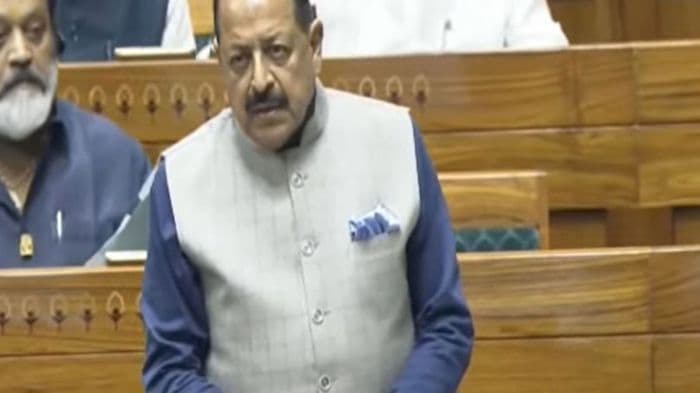
The Bill was introduced by Union Minister of State for Personnel, Public Grievances and Pensions Dr Jitendra Singh after the Lok Sabha resumed proceedings following disruptions. The introduction took place amid Opposition protests, with members raising concerns over the handling of paper leak cases and demanding greater accountability from the government.
Under the proposed amendments, individuals involved in unfair means during public examinations may face imprisonment ranging from five to 10 years and a fine of up to Rs 50 lakh. The Bill also proposes enhanced punishment for organised groups involved in examination fraud, including higher fines and longer jail terms.
The legislation covers public examinations conducted by agencies including the Union Public Service Commission (UPSC), Staff Selection Commission (SSC), Railway Recruitment Boards, Institute of Banking Personnel Selection (IBPS), National Testing Agency (NTA), ministries of the central government and other notified authorities.
A key provision of the amendment is the proposal for faster investigation and trial mechanisms. The Bill provides for completing investigations into paper leak cases within two months and establishing fast-track courts to ensure speedy disposal of cases.
The government has argued that stricter legal measures are necessary to protect the credibility of public examinations and prevent organised networks from exploiting students. The move comes after widespread protests over alleged irregularities in competitive examinations, including demands for reforms in the examination system.
The Opposition, however, has questioned whether stricter laws alone can address the recurring problem of paper leaks and has sought accountability from authorities responsible for conducting examinations. Several student groups and political parties have argued that administrative reforms, transparency and stronger monitoring mechanisms are also required alongside legal action.
Parliamentary Affairs Minister Kiren Rijiju had earlier urged Opposition MPs to participate in the discussion on the Bill, stating that the government was prepared for a detailed debate but would not allow legislative proceedings to be stalled.
The introduction of the Bill comes amid renewed scrutiny of India’s examination system, with the government also working on broader reforms aimed at improving the functioning of examination agencies and strengthening technology-based safeguards.