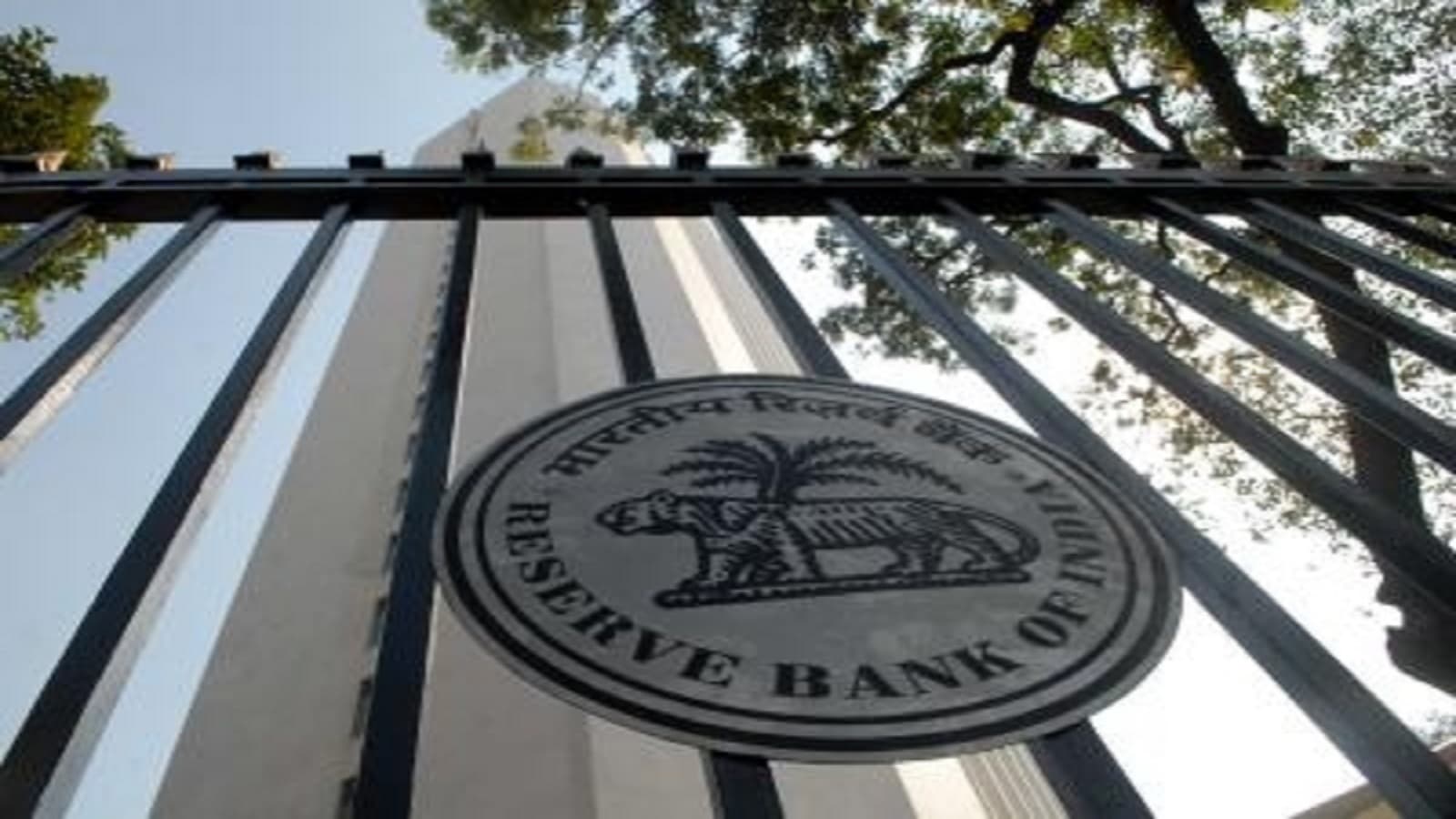
The Reserve Bank of India (RBI) has imposed a penalty of Rs 26.82 lakh on TransUnion CIBIL Limited for non-compliance with certain provisions of the directions issued by it on 'Framework for compensation to customers for delayed updation and rectification of credit information', according to a central bank statement issued on Friday. The statutory inspection of the company was conducted by the RBI with reference to its financial position as on March 31, 2025.
Based on supervisory findings of non-compliance with RBI directions and related correspondence in this regard, a notice was issued to the company advising it to show cause as to why a penalty should not be imposed on it for its failure to comply with the said directions, the statement said. After considering the company’s reply to the notice, additional submissions made by it, and oral submissions made during the personal hearing, the RBI found that the company failed to credit the compensation amount to the bank accounts of certain eligible complainants within the prescribed period.

This warranted the imposition of a monetary penalty, the statement explained. This penalty has been imposed in exercise of powers conferred on the RBI under the provisions of Section 25(1)(iii), read with Section 23(4), of the Credit Information Companies (Regulation) Act, 2005, according to the central bank’s order dated August 31. This action is based on deficiencies in regulatory compliance and is not intended to pronounce upon the validity of any transaction or agreement entered into by the company with its customers.
Further, imposition of this monetary penalty is without prejudice to any other action that may be initiated by the RBI against the company, the statement added. TransUnion CIBIL Limited is India’s leading credit information company (or credit bureau) that collects and maintains records of loans and credit cards for individuals and businesses. It serves the financial sector as well as MSMEs, corporate and individual consumers. The company’s customers include banks, financial institutions, NBFCs, housing finance companies, microfinance companies, and insurance firms.
Disclaimer: “This story has been published from a syndicated news feed. Only the headline and subtitle have been edited by EPN.”