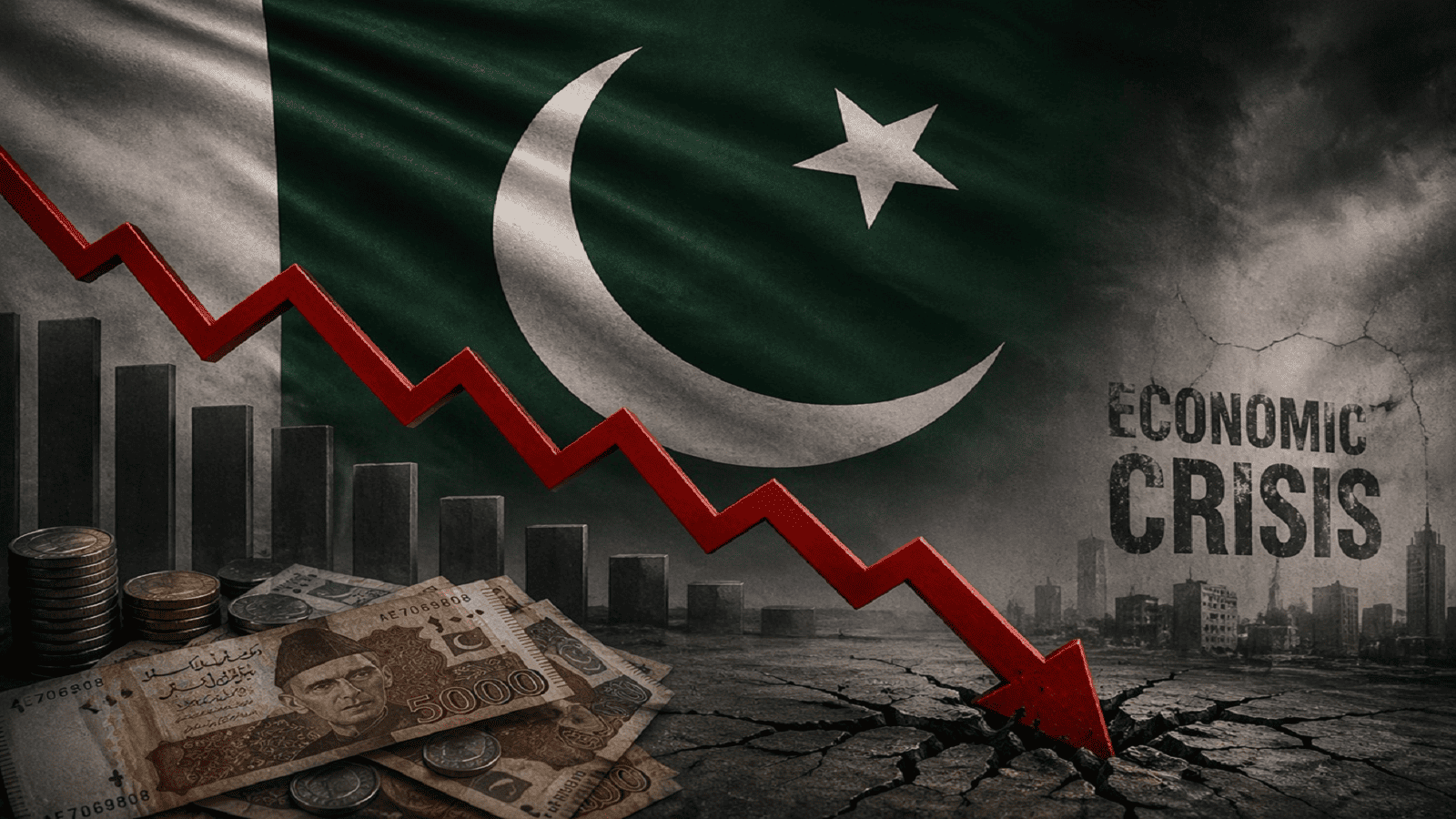
Pakistan’s reported request for a $10-billion support facility from the US Exchange Stabilization Fund (ESF) has sparked debate over whether the move would provide durable economic relief or deepen the country’s dependence on external powers, according to a report. According to analysis by the Committee for the Cancellation of the Third World Debt (CADTM), Pakistan has sought a Bilateral Exchange Stabilization Support Facility from the US Treasury's ESF.
The request has drawn comparisons with a $20-billion currency swap framework extended by the US to Argentina in 2025, it said. However, the report highlighted that the significance of Pakistan's proposal extends beyond economics. “The facility looks like technical liquidity support on paper, but it functions as a point of leverage the US could deploy in future negotiations — over trade terms, China policy or other strategic and regional questions,” the report said. It further said that any US support would likely reassure investors and credit-rating agencies but may do little to address Pakistan’s long-standing structural economic challenges and described the proposed facility as 'borrowed dollars as geopolitical rent'. In addition, Pakistan’s request comes amid mounting pressure on its external finances.

The country repaid about $3.5 billion in deposits to the UAE earlier this year and subsequently secured a $3-billion deposit commitment from Saudi Arabia to support foreign exchange reserves. "Pakistan’s borrowing habits make this episode unsurprising. The current government is desperate to pull more dollars into the system," according to the report. "Reports are also in circulation that the government is in talks with Saudi Arabia for a further $6.7 billion oil facility over fifteen years," it added. The report noted that Pakistan has historically relied on external partners during periods of economic stress.
Disclaimer: "This story has been published from a syndicated news feed. Only the headline and subtitle have been edited by EPN."