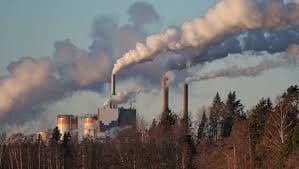

Short-lived climate pollutants (SLCPs) are a group of greenhouse gases and air pollutants that have a near-term warming impact on climate and can affect air quality. SLCPs include black carbon, methane, ground-level ozone, and hydrofluorocarbons (HFCs).
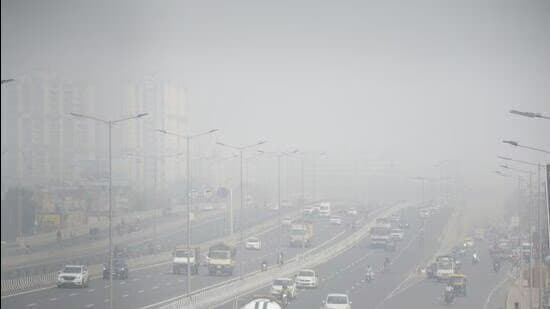
The Central Pollution Control Board's (CPCB) daily AQI bulletin reported that Greater Noida recorded an AQI of 291, placing it in the "poor" category, while Ghaziabad and Noida had AQI values of 268 and 265, respectively.
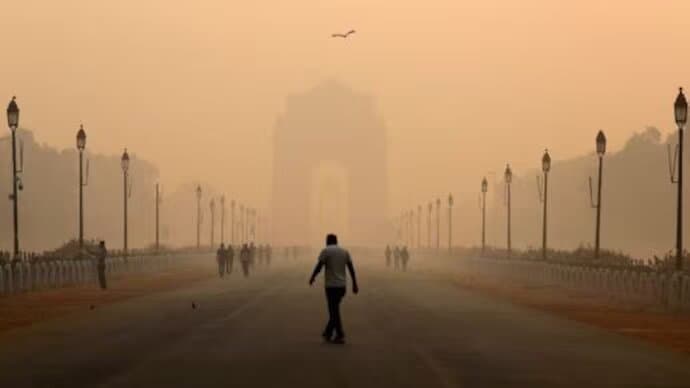
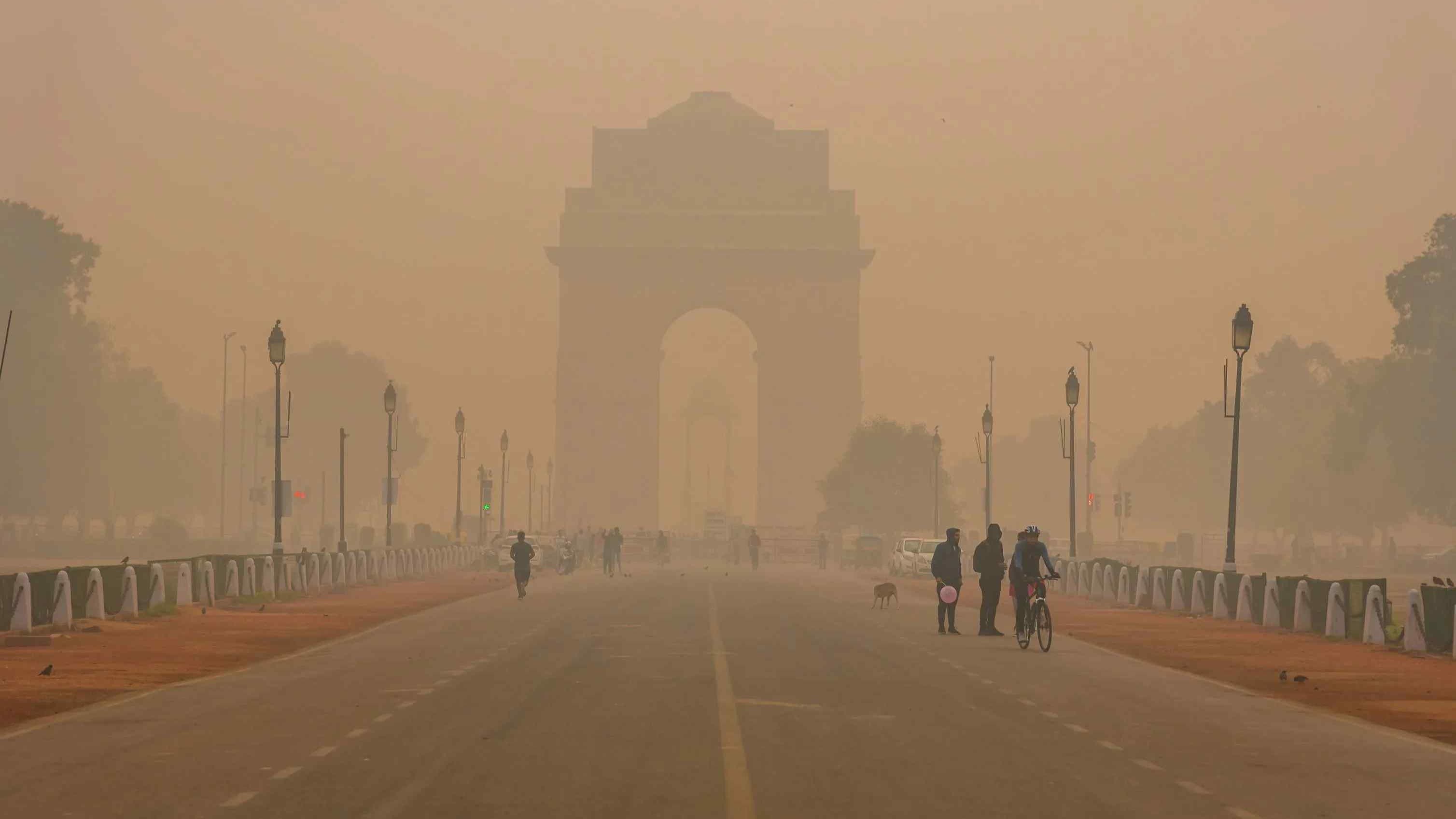
The Air Quality Index (AQI) levels in various areas of Delhi indicated hazardous conditions. Anand Vihar reported an alarming AQI of 627, followed closely by Alipur at 388, Punjabi Bagh at 319, and Narela at 372, all classified as hazardous.
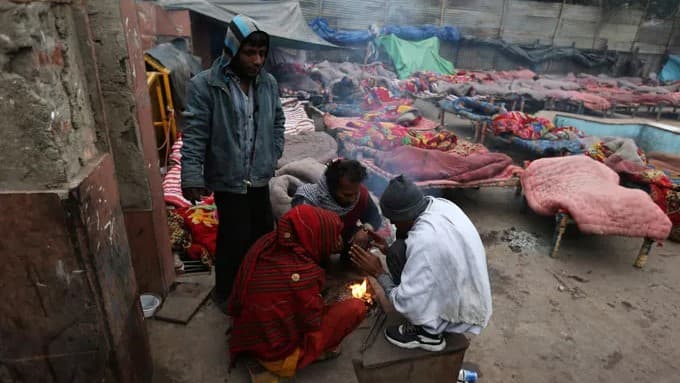
The mean temperature for Oct was the warmest on record in Central India (Madhya Pradesh, sections of Maharashtra, and Chhattisgarh), while the second warmest on record since 1901 occurred in northwest India (Delhi-NCR).

Delhi's Air Quality Index (AQI) jumped to 359 at 6:30 am, falling into the "very poor" category, according to real-time data from the System of Air Quality and Weather Forecasting and Research (SAFAR). On the morning of Oct 31, the AQI was at 328.

And this continuing climate change will not be evenly spread. Australia would keep warming more than almost any other land area. For example if net-zero emissions are reached by 2060, the Australian city of Melbourne is still predicted to warm by 1°C after that point.
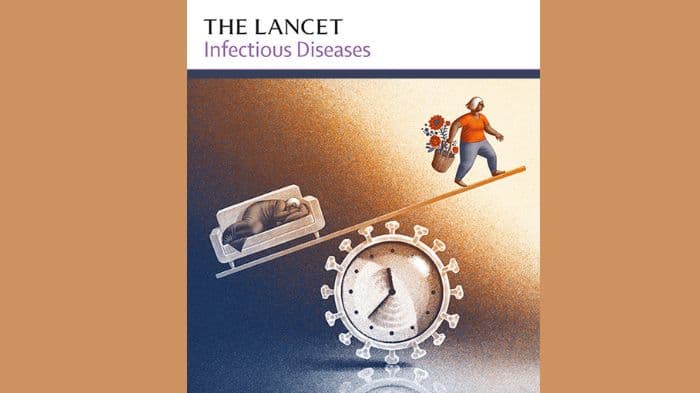
The recently published eighth Lancet Countdown on health and climate change said that the spread of the rise in diseases calls for enhanced climate-integrated forecasting, strengthened healthcare infrastructure, and greater community awareness.

From digital pets to AI robots: How Hong Kong schools are reshaping classroom learning

Why Are Nearly 2,000 MBBS Seats Still Vacant After NEET Counselling 2026?
Ghaziabad School Introduces Global Lexile Framework to Assess Reading Skills of Students

SRMIST to Host National Conference on Regenerative Biology and Bioengineering from November 3

King's College London, Cranfield University agree to merge in August 2027
From digital pets to AI robots: How Hong Kong schools are reshaping classroom learning
Why Are Nearly 2,000 MBBS Seats Still Vacant After NEET Counselling 2026?
King's College London, Cranfield University agree to merge in August 2027

Hong Kong plans weekly AI and coding lessons for children: Is India ready for the shift?
Who handles student discipline? Singapore schools look beyond teachers, lessons India can learn


Copyright© educationpost.in 2026 All Rights Reserved.