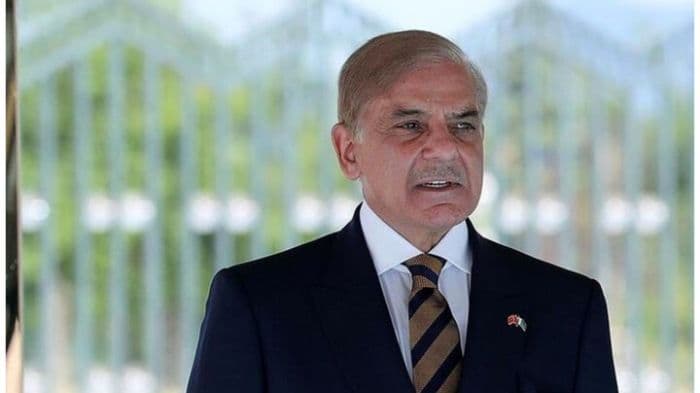
Less than two months after senior Pakistani officials suggested they could respond to India with a "full spectrum" of military options, including nuclear retaliation, Prime Minister Shehbaz Sharif has distanced his government from such rhetoric.
Speaking at a meeting with students, Sharif insisted that Pakistan’s nuclear programme exists solely for “peaceful purposes and national defense,” signalling a shift from earlier intimidating postures .

The earlier warnings came from Pakistan’s ambassador to Russia, Muhammad Khalid Jamali, who had vowed nuclear retaliation if India took certain aggressive steps, particularly regarding water-sharing disputes.
Jamali’s remarks were widely interpreted as an escalation-triggering posture during heightened tensions following Operation Sindoor, India’s May missile strike across the Line of Control targeting terror infrastructure linked to the Pahalgam attack.
In stark contrast, Sharif’s statement sought to de-escalate the situation and provide reassurance both domestically and internationally.
He emphasized that Pakistan’s nuclear arsenal acts as a deterrent—not a tool for aggression—and reaffirmed the government’s official position of responsible nuclear stewardship.
Launched on May 7, Operation Sindoor involved precision strikes by the Indian Armed Forces targeting nine terrorist camps in PoK and Pakistan’s Punjab, with senior officials affirming over 100 militants were eliminated and no collateral damage occurred in India.
Pakistan promptly condemned the operation, alleging destruction of civilian infrastructure and claiming to have shot down Indian aircraft. Leaders threatened retaliatory action—implicitly including nuclear options—raising alarm in global diplomatic circles.