Pakistan is actively seeking to host peace talks between the United States and Iran, positioning itself as a potential mediator as the West Asia conflict continues to escalate.
The move comes against the backdrop of Islamabad’s growing unease over its strategic defence pact with Saudi Arabia, which could potentially draw the country into the conflict. Under the agreement, an attack on Saudi Arabia may require Pakistan to provide support, placing it in a difficult position given its ties with neighbouring Iran.

According to reports, Pakistan sees hosting talks as a way to balance its diplomatic relationships while reducing the risk of being directly involved in the war. The country maintains working ties with both Washington and Tehran, making it a viable intermediary in efforts to de-escalate tensions.
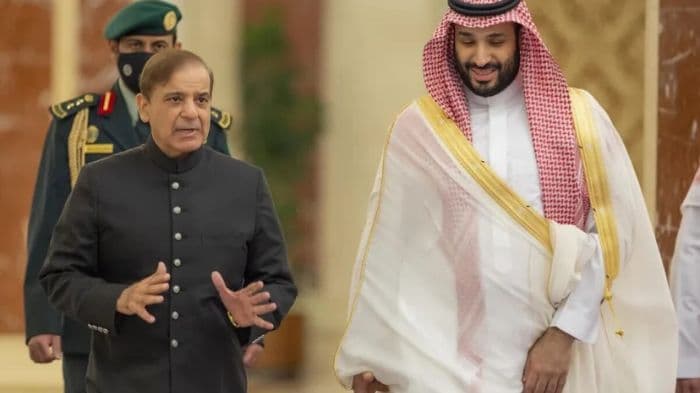
Prime Minister Shehbaz Sharif has already indicated that Pakistan is “ready and honoured” to facilitate dialogue between the US and Iran, subject to agreement from both sides. The proposal is part of broader backchannel efforts involving countries such as Turkey and Egypt to bring the two sides to the negotiating table.
Islamabad’s diplomatic push also reflects a strategic calculation. Analysts say that hosting talks would allow Pakistan to reposition itself as a stabilising force in the region, while easing pressure arising from its commitments to Saudi Arabia.
The situation has become increasingly complex as the conflict widens. Iran has already carried out strikes in the region, including targeting Saudi-linked assets, raising the stakes for Pakistan if the defence pact is invoked. At the same time, Pakistan shares a sensitive border with Iran, making any direct confrontation particularly risky.
Efforts to initiate talks, however, face significant challenges. Trust between the US and Iran remains low, and ongoing military actions have complicated the prospects of immediate negotiations. Iran has also shown hesitation over engaging directly, preferring indirect or conditional dialogue.
Pakistan is also engaging with other regional players, including Saudi Arabia, Turkey and Egypt, in an attempt to build consensus around a possible diplomatic solution. These discussions are aimed at reducing tensions and preventing further escalation that could disrupt global energy routes and regional stability.




.jpg&w=256&q=75)





.jpg&w=256&q=75)
