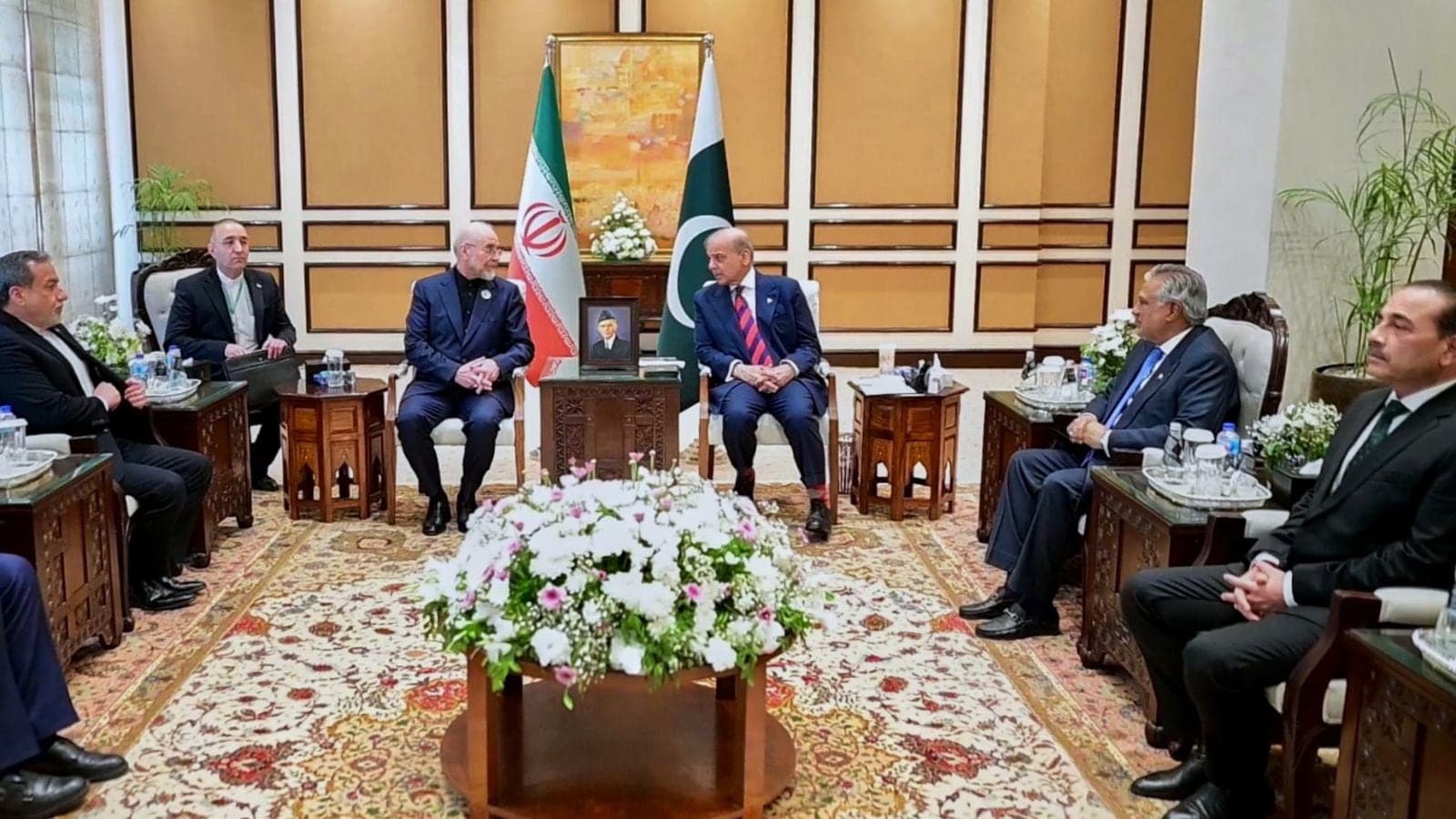
Tehran says it gave a “BIG NO” to Washington’s demands, while Vice President JD Vance insists Iran refused the US “final offer” as nuclear dispute stalls progress.

After nearly 21 hours of high-stakes negotiations in Islamabad ended without a breakthrough, sharply conflicting narratives have emerged from Washington and Tehran over the collapse of the talks.
Iran signaled a firm rejection of US proposals, with its embassy in Ghana declaring on X that Tehran had delivered a “BIG NO” to Washington’s demands. The statement accused the United States of “looking for an excuse” to exit the negotiations and attempting to secure concessions it “couldn’t achieve through war”.

According to the Iranian side, the US delegation returned “empty-handed”, with the status of the strategically critical Strait of Hormuz remaining unchanged — underscoring unresolved core issues. Tehran framed its stance as a refusal to bow to what it described as excessive demands, while reiterating its commitment to pursue national interests through diplomatic means.
The remarks came hours after US Vice President JD Vance confirmed that no agreement had been reached, placing the onus squarely on Iran.
“We have not reached an agreement… they have chosen not to accept our terms,” Vance told reporters following the talks.
He added that Washington had presented what it described as its “final and best offer” after prolonged discussions, maintaining that the US side had remained “quite flexible” throughout the negotiations.
At the heart of the deadlock, Vance said, is Iran’s nuclear programme, with Washington seeking a clear and durable assurance that Tehran will not pursue nuclear weapons.
“We need to see an affirmative commitment… not just now, but for the long term,” he said.
The Pakistan-mediated talks were part of broader efforts to sustain a fragile ceasefire and pave the way for a comprehensive agreement. However, the starkly divergent accounts from both sides highlight the deep mistrust and persistent gaps that continue to stall diplomatic progress.


FM Sitharaman, Iranian counterpart discuss deeper economic cooperation
.jpg&w=256&q=75)
PM Modi warns against weaponizing technology, critical minerals at BRICS Summit
.jpg&w=256&q=75)
Afghan journalist, artist missing in Islamabad as Amnesty urges Pakistan probe
.jpg&w=256&q=75)
PM Modi welcomes BRICS leaders as summit enters second day in New Delhi

UN backs PM Modi’s call for urgent Security Council reform, says 1945 structure no longer fits 2026
.jpg&w=256&q=75)
PM Modi warns against weaponizing technology, critical minerals at BRICS Summit
.jpg&w=256&q=75)
PM Modi welcomes BRICS leaders as summit enters second day in New Delhi

UN backs PM Modi’s call for urgent Security Council reform, says 1945 structure no longer fits 2026

Could AI kill humans? Anthropic CEO warns of rising risk

Worms in idli, insects in chhole: Jamia hostel students protest food quality

FM Sitharaman, Iranian counterpart discuss deeper economic cooperation
.jpg&w=256&q=75)
PM Modi warns against weaponizing technology, critical minerals at BRICS Summit
.jpg&w=256&q=75)
Afghan journalist, artist missing in Islamabad as Amnesty urges Pakistan probe
.jpg&w=256&q=75)
PM Modi welcomes BRICS leaders as summit enters second day in New Delhi

UN backs PM Modi’s call for urgent Security Council reform, says 1945 structure no longer fits 2026
.jpg&w=256&q=75)
PM Modi warns against weaponizing technology, critical minerals at BRICS Summit
.jpg&w=256&q=75)
PM Modi welcomes BRICS leaders as summit enters second day in New Delhi

UN backs PM Modi’s call for urgent Security Council reform, says 1945 structure no longer fits 2026

Could AI kill humans? Anthropic CEO warns of rising risk

Worms in idli, insects in chhole: Jamia hostel students protest food quality
Copyright© educationpost.in 2024 All Rights Reserved.
Designed and Developed by @Pyndertech