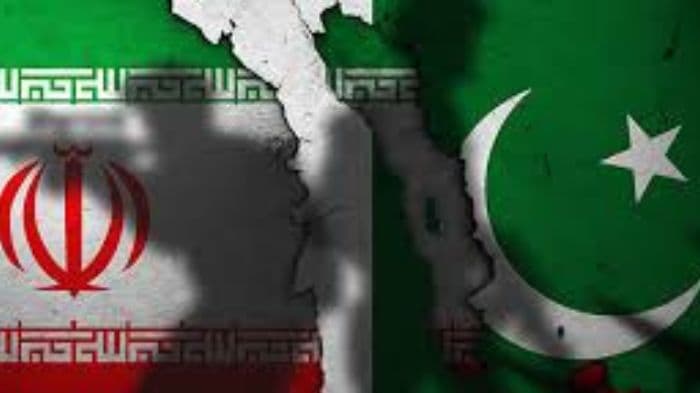
Iran has rejected claims that it is participating in mediation efforts led by Pakistan to resolve the ongoing conflict in West Asia, asserting that it has not taken part in any such initiative.
“We didn’t participate,” Iranian officials said, dismissing suggestions that Tehran was involved in talks or diplomatic processes being hosted or facilitated by Islamabad.

The statement comes at a time when Pakistan has been positioning itself as a potential mediator in the conflict, with reports suggesting that Islamabad was attempting to bring key stakeholders to the table for negotiations.
Iran’s rejection underscores the lack of consensus and coordination around diplomatic efforts to de-escalate the situation, even as international pressure mounts to find a resolution. The conflict, now in its second month, has seen continued military escalation and widening regional impact.
While Pakistan has indicated willingness to host or facilitate talks, Iran’s denial raises questions over the credibility and progress of such mediation attempts. Analysts say the development reflects deep mistrust and diverging positions among the parties involved.
The contradiction is particularly significant as multiple reports have pointed to indirect communication channels being explored through intermediaries. However, Iran’s latest stance suggests that any such efforts have either not materialised into formal engagement or are not being acknowledged by Tehran.
The broader diplomatic landscape remains fragmented, with competing narratives emerging from different stakeholders. While some actors have suggested progress or backchannel discussions, Iran has consistently maintained a cautious position, often rejecting or criticising proposals it considers one-sided.
The situation is further complicated by ongoing hostilities in the region, which continue to limit the scope for meaningful negotiations. Military activity across multiple fronts, including strikes on strategic infrastructure and rising tensions in key maritime routes, has added urgency to calls for de-escalation.




.jpg&w=256&q=75)





.jpg&w=256&q=75)
