


Satellite imagery indicates that Iran has reinforced and concealed parts of a sensitive military site with concrete shielding, as tensions with the United States intensify and indirect nuclear negotiations remain unresolved.

Tehran: Iran has been reinforcing key military and nuclear-linked sites by constructing a concrete shield over a newly built facility at a sensitive complex and burying it under soil, according to recently released satellite imagery and expert analysis, in moves that coincide with rising tensions with the United States and stalled diplomacy on Iran’s nuclear programme.
The imagery reveals updated construction at the Parchin military complex, located about 30 km southeast of Tehran, where a large new structure — reportedly bombed by Israel in 2024 during last year’s conflict — has been covered in a thick concrete-like layer and earth to obscure its profile.

This building is identified by specialists as part of the Taleghan 2 facility. Satellite shots from early 2026 show the site nearly concealed beneath soil and concrete.
Analysts note that such shielding, sometimes likened to a “concrete sarcophagus,” could provide enhanced protection against aerial strikes or other attacks.
The Institute for Science and International Security (ISIS) highlighted that Tehran appears to be actively burying critical infrastructure, including facilities previously struck or damaged in military operations.
In addition to Parchin, satellite images show that tunnel entrances at the Isfahan nuclear complex, previously hit by US strikes during the 12-day war last year, have been buried. Entrances to tunnels near the Natanz enrichment site are also being reinforced, with construction activity visible around access points under a mountain.
The imagery further documents reconstruction efforts at missile bases near Shiraz and Qom, which were damaged in earlier hostilities. These sites have undergone repairs and structural strengthening since last year’s conflict.
The fortification of these sites occurs against the backdrop of ongoing indirect nuclear negotiations between Tehran and Washington, aimed at reaching agreements on Iran’s nuclear activities and related sanctions.
While negotiations have continued in neutral locations such as Geneva, talks have yet to produce a binding accord, and diplomatic progress remains uncertain.
At the same time, the United States has maintained military pressure in the Middle East, including a buildup of forces and warnings that military options remain on the table if diplomacy fails.
This strategic dual-track — diplomatic engagement paired with military readiness — has contributed to heightened regional anxieties about a potential escalation.
Iran’s leadership has consistently denied pursuing nuclear weapons and insists its nuclear programme is peaceful, although reconstruction and concealment of strategic sites have raised scrutiny among Western analysts.
No official Iranian statement has detailed the purpose of the fortification work seen in satellite images.
Rekha Sharma’s 40% Disability Certificate Disputed After Medical Board Reassessed It at 30%

Arctic Seals Face Rising Extinction Risk as Climate Change Accelerates Sea Ice Loss
India's Multi-Alignment Policy Faces Fresh Diplomatic Challenges

AI Model Can Identify Zero-Day Vulnerabilities in Critical Software
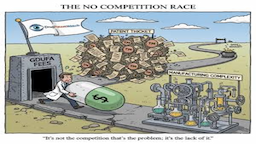
Patent Rejection Opens Possibilities for Generic Competition

Canada shifts focus to research talent as New Zealand targets growth in international education
Delhi to Attempt Artificial Rain Again as Pollution Chokes Capital; New Aircraft to Be Deployed

Want to speak Japanese with anime characters? Japan is developing an AI-powered language education app

Why are 3 in 4 Singapore parents turning to private tuition despite trust in schools?
Delhi-NCR schools go hybrid: Which classes are affected and what parents should know?

Rekha Sharma’s 40% Disability Certificate Disputed After Medical Board Reassessed It at 30%
Arctic Seals Face Rising Extinction Risk as Climate Change Accelerates Sea Ice Loss
India's Multi-Alignment Policy Faces Fresh Diplomatic Challenges
AI Model Can Identify Zero-Day Vulnerabilities in Critical Software
Patent Rejection Opens Possibilities for Generic Competition
Canada shifts focus to research talent as New Zealand targets growth in international education
Delhi to Attempt Artificial Rain Again as Pollution Chokes Capital; New Aircraft to Be Deployed
Want to speak Japanese with anime characters? Japan is developing an AI-powered language education app
Why are 3 in 4 Singapore parents turning to private tuition despite trust in schools?
Delhi-NCR schools go hybrid: Which classes are affected and what parents should know?
Copyright© educationpost.in 2026 All Rights Reserved.