There is a question that should concern every academic leader, policymaker, and educator today: are we truly preparing students for a world that does not yet exist? It is a question that sounds rhetorical until you sit with it honestly — and then it becomes rather uncomfortable.
It is tempting to believe that increased funding can resolve the challenges facing higher education. More infrastructures, more faculties, more research grants — these are important, and none of them are wrong in isolation. But they are not transformative. They rest on an assumption that has quietly become outdated: that the structure itself is sound and only needs more fuel to run faster. It is not. And it does not.

A System Designed for a Different Era
Higher education, as it exists today, was built for a time when knowledge was scarce, career paths were linear across decades, and a degree reliably signalled capability. That world has changed beyond recognition. What we face now is not a resource problem dressed in academic clothing — it is a structural one. The architecture of how we teach, assess, credential, and conceive of learning was designed for a different era, and our institutions are lagging painfully behind it.
The structural mismatch is visible everywhere, once you know what to look for. Curricula that evolve far slower than industry itself. Disciplinary silos operating in a world defined by complex, interconnected problems. Incentive systems that prioritise research output over teaching quality. Assessment frameworks that reward recall instead of critical thinking. A weak integration with industry that steadily widens the skills-employability gap. These are not minor inefficiencies — they are design limitations. And no amount of additional funding can fix a flawed design.
The Mismatch Nobody Wants to Name
Walk into most universities today and you encounter something quietly paradoxical. On one hand, brilliant students, dedicated faculty, and growing investments in infrastructure. On the other, graduates struggling to translate degrees into meaningful employment, employers lamenting the gap between what campuses produce and what industries actually need, and a creeping anxiety that higher education is training people for roles that automation and artificial intelligence are rapidly reshaping or eliminating. This is not a failure of effort. It is a failure of design — and the distinction matters enormously.
The semester system, the credit-hour model, the rigid separation of disciplines into silos, the primacy of theoretical assessment over applied competence — these are not timeless educational truths. They are legacy design choices, inherited from the industrial age, that have calcified into institutional norms. We have confused the container with the content. When a curriculum takes three years to revise because it must pass through seventeen committees, it is not serving students. When a student studying data science has no meaningful exposure to ethics or communication because those belong to other departments, the degree is incomplete by design. No budget increase changes any of this. Only structural reform does.
What Reform Actually Looks Like
Structural reform is not about dismantling tradition for its own sake. It is about honest interrogation — asking which elements of our current model genuinely serve learning, and which have simply survived because no one had the will or mandate to question them. The two are not the same, and conflating them is how institutions stay comfortable while students pay the price.
Four areas demand urgent attention. The first is curriculum agility — building the institutional muscles to update programmes continuously, not episodically, with industry practitioners and civil society leaders as genuine partners in design. The second is interdisciplinarity as a default. The problems graduates will spend their careers solving — climate change, healthcare access, digital governance — do not respect departmental boundaries, and cross-disciplinary learning must be structurally embedded rather than left to individual initiative. The third is genuine outcome-based education: starting with a clear answer to what a student must be able to do, think, and become, then building assessment around that answer rather than around what is easiest to mark. The fourth, and perhaps most difficult, is cultural and incentive realignment — valuing teaching excellence and pedagogical creativity alongside research output, and treating student feedback as serious institutional input rather than a compliance exercise.
The Technology Temptation
There is considerable enthusiasm today around artificial intelligence, digital learning platforms, and personalised learning algorithms. These tools hold genuine promise — but technology deployed into a broken structure simply digitises the dysfunction. If we embed an AI tutoring system into a poorly designed curriculum, we get poorly designed learning at greater speed and scale. The universities that will thrive are not necessarily those with the largest technology budgets, but those that combine thoughtful structural reform with strategic technology adoption. The sequence matters: reform first, technology second.
The Equity Imperative
Any conversation about structural reform must grapple seriously with equity. In the Indian context, this is especially significant. We are a country of extraordinary intellectual talent distributed unevenly across geographies and economic contexts. A first-generation learner from a rural background does not always have access to the same institutional quality or opportunities that urban, more privileged peers enjoy. Reform must therefore be equity-aware — building flexible structures that accommodate working students, credit frameworks that recognise prior learning, and pathways that allow students to enter, pause, re-enter, and complete education in ways that fit their lives, not institutional convenience. The National Education Policy has made meaningful strides in enabling precisely this flexibility and in formally recognising diverse learning journeys, and that is a step the sector should build on. At Symbiosis, accessibility is not an aspiration. It is the animating principle behind our motto — Vasudhaiva Kutumbakam. The world is one family.
The Courage to Reform
Structural reform is not politically comfortable. Universities are consensus-seeking institutions that house deeply held convictions about tradition and disciplinary identity. The pressure to revert to the familiar is constant. What makes reform possible is leadership that is simultaneously humble and persistent — humble, because no single leader has all the answers; persistent, because the mandate to change must be continually renewed. It also requires institutional honesty: saying clearly, without defensiveness, that certain programmes have outlived their relevance and that certain assessment practices measure the wrong things entirely.
This kind of honesty is not disloyalty to tradition. It is the deepest form of respect for what education is supposed to accomplish. Higher education has a profound social mandate — it is not merely an economic engine, though it is certainly that. It is a site of human formation, where young people develop the frameworks, relationships, and sense of purpose that will shape the rest of their lives.
The Road Ahead
The graduates who will make meaningful contributions in the coming decades will need to think across domains, communicate across cultures, learn continuously, and navigate ambiguity without being paralysed by it. None of this is produced automatically by funding. All of it requires structural intentionality. The institutions that will define the next decade of higher education will not be those with the largest budgets — they will be those willing to rethink their structures, incentives, and purpose. In a rapidly evolving world, adaptability, not scale, will define educational excellence.
More funding may sustain institutions. Structural reform is what will enable them to truly serve their students — and the future those students will build. The difference, ultimately, is the difference between self-preservation and genuine service. We owe our students, and the future they will shape, the harder choice.
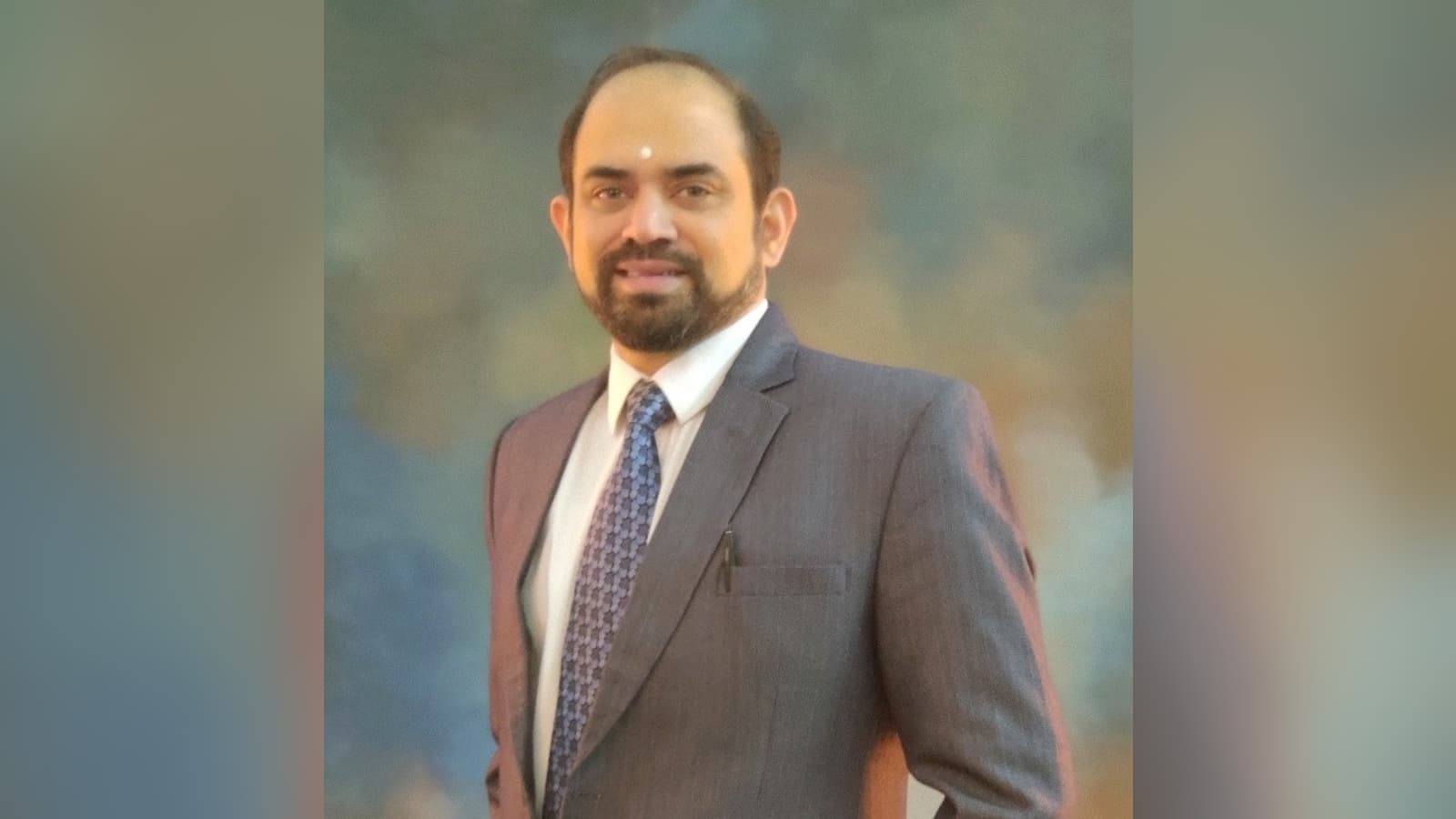
(This article is written by Dr Ramakrishnan Raman, Vice Chancellor, Symbiosis International (Deemed University), Pune. The views expressed are solely those of the authors and are personal in nature. This is an opinionated article, and Education Post does not endorse or take responsibility for the opinions expressed herein.)