Campus to crops: Rise of student-led agri-entrepreneurship in rural India
Colleges in India are becoming engines of agri-entrepreneurship, guiding students to create farmer-focused solutions, adopt emerging technologies, and build startups that strengthen rural livelihoods and local economies, finds Pragya Kumari.
Pragya Kumari10 October 2025 11:21
“If agriculture goes wrong, nothing else will have a chance to go right.” -M S Swaminathan (Father of the Green Revolution in India)
India is witnessing a major shift in the way young people perceive agriculture. Once seen mainly as a traditional livelihood dependent on monsoons and limited market access, farming is transforming into a tech-enabled and innovation-driven sector.
This change is powered not just by government policies or private investment but increasingly by educational institutions that are turning into hubs for rural entrepreneurship.
India, often called the land of the Green Revolution, transformed its agricultural landscape in the 1960s and 70s through scientific innovation and policy support. High-yield seed varieties, expanded irrigation, and widespread use of fertilizers helped the country shift from food scarcity to self-sufficiency within a decade.
Punjab, Haryana, and western Uttar Pradesh became symbols of this transformation, recording rapid rises in wheat and rice production. The Green Revolution strengthened India's food security and created a foundation for modern agricultural research and extension systems.
Today, this legacy continues to inspire new waves of agri-innovation, especially among students exploring technology-driven solutions for rural needs.
Across the country, agricultural universities, engineering colleges, and private institutes are building ecosystems that encourage students to launch agri-startups, develop solutions for farmers, and strengthen rural economies.
Over the last decade, India has seen a sharp rise in agriculture-related startups. The Department for Promotion of Industry and Internal Trade reports that India now has more than 3,000 agri-startups as of 2024, up from fewer than 50 in 2010.
A NASSCOM report shows that the agri-tech sector recorded around fivefold growth between 2018 and 2023, boosted by wider access to digital tools, strong smartphone penetration in rural areas, and increasing interest in precision and sustainable farming.
Colleges and universities have played a crucial role in enabling this entrepreneurial wave, especially in areas where agriculture continues to be the main livelihood.
This shift comes at a time when Indian agriculture faces multiple challenges. Nearly 55% of the workforce still depends on agriculture, yet the sector contributes only 17% to India’s GDP.
Small and marginal farmers make up 86% of India’s farming population and often face systemic issues like limited credit access, lack of technology, and poor market linkages.
These gaps create opportunities for innovation, encouraging colleges to nurture graduates who can offer viable solutions.
The rise of agri-entrepreneurship in colleges
Agricultural education in India traditionally focused on agronomy, plant science, soil science, horticulture, and livestock management.
In recent years, however, entrepreneurship, innovation, and technology have taken center stage. This change has been shaped by the National Education Policy 2020, which promotes multidisciplinary learning, innovation, and incubation.
Today, major agricultural universities such as the Indian Agricultural Research Institute, Tamil Nadu Agricultural University, Punjab Agricultural University, and University of Agricultural Sciences Bengaluru run incubation and entrepreneurship programs.
Through these platforms, students convert academic research into workable business models. Since 2018, the central government’s RKVY-RAFTAAR program has supported more than 1,200 agri-startups through universities.
Many colleges now introduce agricultural entrepreneurship at the undergraduate level. Courses in agri-marketing, agro-processing, farm business management, agri-fintech, and supply chain operations help students explore opportunities beyond traditional farming.
An ICAR study in 2023 reported that 41% of agriculture students expressed interest in starting their venture, a steep rise from just 12% ten years ago.
Incubation centers: college-based innovation hubs
Incubation centers have become core components of agri-startup development. These centers provide mentorship, training, seed funding, access to research infrastructure, and connections to investors.
They also help students test prototypes, carry out field trials, and refine their ideas with farmer feedback.
India now hosts more than 85 dedicated agri-business incubators in universities and research institutions. Many are supported by the Atal Innovation Mission, NABARD, ICAR, and state agriculture departments.
These centers nurture ventures in areas such as AI-based crop analytics, drone spraying services, hydroponics, fodder biotechnology, farm advisory apps, and climate-smart agriculture solutions.
AgHub at Professor Jayashankar Telangana State Agricultural University is one such example, supporting startups creating soil health monitoring tools and climate-resilient technologies.
Another, a-IDEA at ICAR-NAARM, has incubated more than 350 agri-startups since its launch. These hubs bridge the gap between theoretical knowledge and real-world applications and give students exposure to industry networks, hackathons, and investor interactions.
Technology adoption accelerating on campuses
The growing integration of technology into agriculture has expanded the scope of rural entrepreneurship. Colleges now train students in drones, GIS mapping, IoT sensors, machine learning, and remote sensing.
According to the Ministry of Electronics and Information Technology, more than 70 agri-tech pilots are active across India, supporting real-time crop monitoring, micro-irrigation, and climate forecasting.
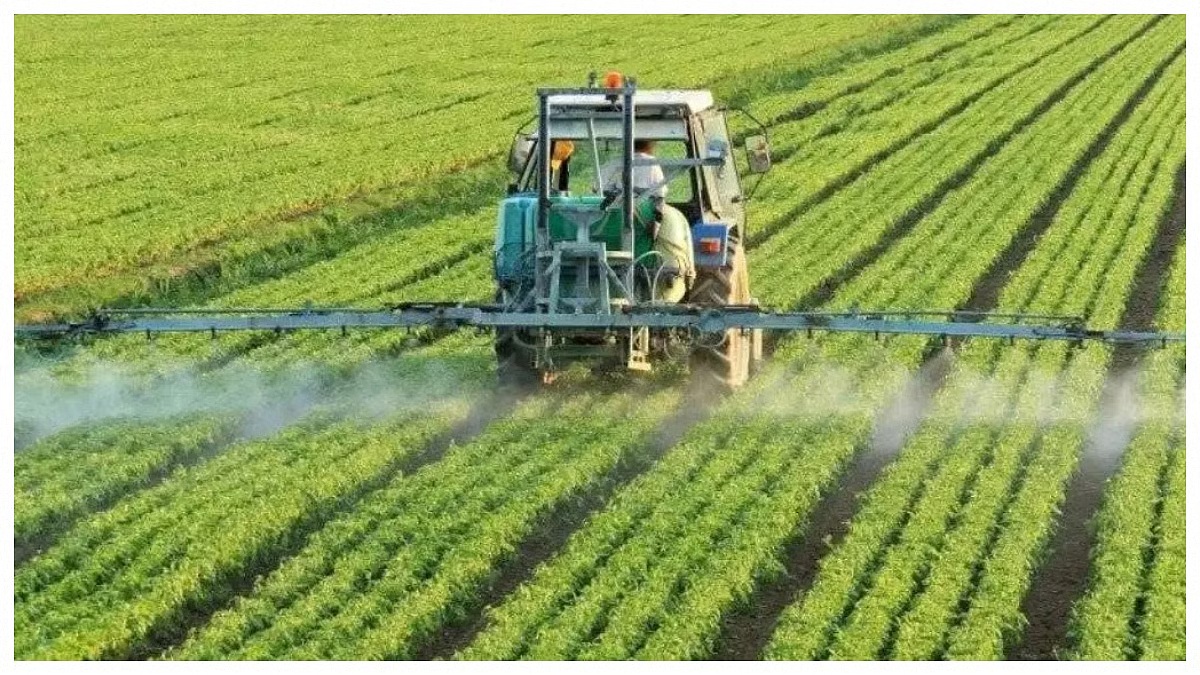
Students trained in these technologies are launching cost-effective, practical solutions for local farmers. Drone-based spraying ventures launched by students in states such as Haryana and Maharashtra have improved efficiency and reduced health risks for farm workers.
IoT-based automated irrigation systems developed by agricultural and engineering students in Tamil Nadu have reduced water use by nearly 35%, making a significant difference in drought-prone areas.
Digital agriculture has also gained strong traction. Many colleges now teach data analytics, agri e-commerce, and digital advisory systems.
Students learn to interpret satellite data, track market trends, and build mobile applications. This has enabled a new generation of agri-startups focused on precision, sustainability, and scale.
Practical exposure and farmer engagement
One of the biggest strengths of college-driven entrepreneurship is students’ access to hands-on experience with farmers. Many agricultural universities operate in or near rural regions, allowing students to conduct field research and pilot innovations.
The Rural Agricultural Work Experience (RAWE) program mandated by ICAR plays a major role in this process. Every year, about 30,000 agriculture students work directly with farmers for several weeks, gaining insights into real-world challenges and identifying areas for innovation. Many successful agri-startups trace their origins to ideas formed during RAWE assignments.
Experiential learning modules have also expanded, allowing students to manage campus farms, run small processing units, and organize agri-business expos. These experiences teach financial literacy, market understanding, and problem-solving.
Government support strengthening the ecosystem
Government initiatives significantly boost agri-entrepreneurship emerging from colleges, offering students both financial and institutional support to scale their ideas.
Programs such as RKVY-RAFTAAR, which provides up to ₹25 lakh for early-stage ventures, and the Agriculture Infrastructure Fund, which supports storage, warehousing, and supply chain projects, play a major role in strengthening agri innovation.
Start-up India adds further momentum through tax benefits and patent assistance, while ICAR’s National Agricultural Innovation Fund helps research-driven student ventures access resources and mentorship.
NABARD’s Rural Innovation Fund also supports farmer-centric solutions, ensuring that innovations reach the grassroots. Together, these initiatives enable student-led startups to move beyond campus experiments and successfully enter real markets.
Success stories emerging from campuses
Several startups launched by students reflect the growing impact of college-driven entrepreneurship.
In Madhya Pradesh, a group of students created a pest prediction app using satellite data, which now supports more than 20,000 farmers by helping them anticipate crop risks.
In Kerala, a student team set up an agro-processing unit that purchases produce directly from small farmers, boosting their earnings by removing middlemen and ensuring better price realization.
Meanwhile, an IIT-based team developed a drone precision farming venture that has expanded across five states and works with over 8,000 farmers, offering efficient spraying and monitoring services.
Impact on rural economies and employment
Agri-startups emerging from colleges are creating new rural jobs such as drone operators, soil testing technicians, agri-data analysts, rural supply chain coordinators, and crop advisory specialists. This shift is crucial at a time when rural youth unemployment remains a serious concern.
A 2024 report from the Ministry of Skill Development estimates that agri-startups could generate more than 3 million rural jobs by 2030.
Many startups also help increase farmer income by improving productivity, reducing post-harvest losses, and connecting farmers to better markets. This creates wider economic benefits for local communities.
Challenges ahead
Despite significant progress, several challenges continue to hinder the growth of student-led agri-startups. Many ventures struggle with limited early-stage capital, making it difficult to refine prototypes or scale their ideas.
In some regions, inadequate rural infrastructure further slows expansion and affects the reliability of services. Startups that perform well locally often face barriers when trying to grow at a national level due to uneven market access and logistical hurdles.
There is also a clear need for stronger partnerships between colleges and private industry to provide mentorship, technology support, and market linkages.
Additionally, inconsistent access to modern equipment and advanced facilities on campuses restricts students from fully developing or testing their innovations. Addressing these gaps will require coordinated efforts from colleges, government bodies, and industry stakeholders.
The road ahead
India’s agricultural future depends heavily on innovation, technology, and youth leadership. Colleges are increasingly becoming the foundation for this change, nurturing rural entrepreneurs who can develop solutions tailored to local needs.
With stronger incubation, better digital access, and robust mentorship networks, India is poised to see a new wave of agri-startups led by students.
As more colleges embrace the culture of entrepreneurship, the country can expect widespread improvements in productivity, sustainability, and rural income levels.
With continued support, young innovators can drive India toward becoming a global leader in agri-tech and rural development.