


In a post-Monetary Policy address, RBI Governor Sanjay Malhotra reaffirmed that Unified Payments Interface (UPI) transactions will continue to remain free under current regulations, dismissing suggestions of imminent user fees.
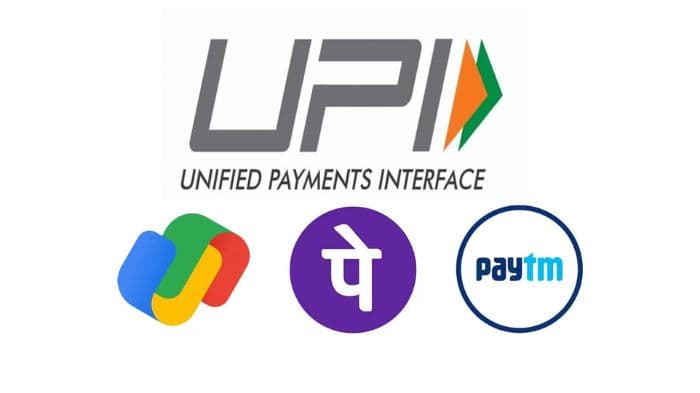
The Reserve Bank of India (RBI) has officially ruled out any immediate plans to levy charges on UPI transactions, keeping them free for both users and merchants for the time being.
This statement comes amid growing speculation about the sustainability of UPI’s zero-cost model.

At the press conference following the Monetary Policy Committee meeting, Governor Sanjay Malhotra addressed concerns head-on, stating, “There is no change. UPI remains free under the current policy.”
He clarified that the central bank currently has no proposal to impose transaction fees on UPI, even though earlier comments had hinted that the current model might need financial support.
Malhotra’s reassurance comes against a backdrop of severe cost pressures on the digital payments infrastructure. UPI has witnessed exponential growth in transaction volume and value over the past few years, amplifying the operational burden on banks, payment service providers, and NPCI (National Payments Corporation of India).
In the speech, the RBI governor acknowledged that “there are costs (associated with UPI transactions), and they need to be paid for by someone,” a remark that had earlier sparked speculation about an eventual shift to fee-based use. However, he emphasized that no change is being introduced now.
Meanwhile, some industry and government voices have pushed for the introduction of a Merchant Discount Rate (MDR) on large-scale UPI transactions to help shoulder infrastructure costs. Such proposals have suggested charging merchants 0.2–0.3% on high-value transactions.
But any such move would likely not affect ordinary consumers. Analysts say the RBI’s clarification is intended to calm public concerns and preserve confidence in India’s digital payments ecosystem, especially as UPI is a critical pillar supporting the government’s vision of a less-cash economy.
The zero-cost characteristic of UPI has been a major factor in its adoption across rural and urban India alike.
Still, the governor’s remarks do not fully close the door to future changes. Given the rising cost of maintaining a large, high-velocity payments network, policymakers may revisit the issue later, particularly if subsidy cutbacks or budgetary constraints intensify.
For now, Indian consumers and merchants can continue using UPI without fees, while stakeholders monitor whether structural changes will be needed to maintain financial viability in the long term.
Why Were the Meeting Records Made Public?
Significance of the Fifth Plenum

Major Security Breaches and the Role of Artificial Intelligence
Legal Provisions and Guardian Liability

The Role of Satellite Networks in Ukraine’s War

Will AI Become Compulsory in Indian Schools? What NCERT’s New Curriculum Means

McMaster University researcher wins $250,000 fellowship to advance bone implant research

Vande Bharat Sleeper Train: Varanasi–New Delhi Route Approved, Check Route, Timings and Stops

DA Hike 2026: Centre Approves 3% Increase, Allowance Rises to 63%

Haryana Listed 500 CHEERAG Seats at School After Recognition Withdrawal, Records Show

Why Were the Meeting Records Made Public?
Significance of the Fifth Plenum
Major Security Breaches and the Role of Artificial Intelligence
Legal Provisions and Guardian Liability
The Role of Satellite Networks in Ukraine’s War
Will AI Become Compulsory in Indian Schools? What NCERT’s New Curriculum Means
McMaster University researcher wins $250,000 fellowship to advance bone implant research
Vande Bharat Sleeper Train: Varanasi–New Delhi Route Approved, Check Route, Timings and Stops
DA Hike 2026: Centre Approves 3% Increase, Allowance Rises to 63%
Haryana Listed 500 CHEERAG Seats at School After Recognition Withdrawal, Records Show
Copyright© educationpost.in 2026 All Rights Reserved.