


Signatories, including former civil servants and academics, have sought an inquiry, alleging the use of government platforms during the Model Code of Conduct period gave the ruling party an undue advantage.
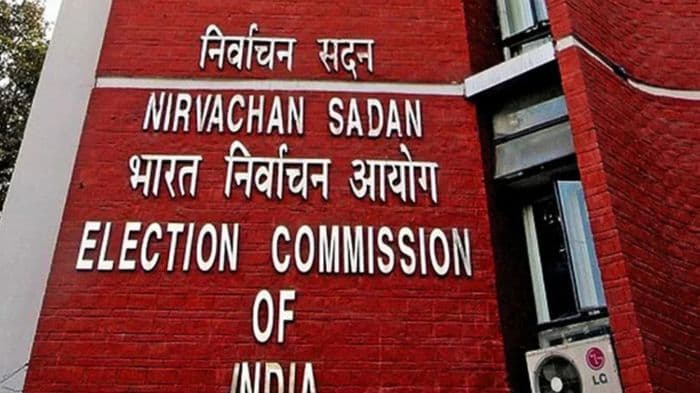
More than 700 citizens, including former civil servants, academics, activists and journalists, have written to the Election Commission of India alleging that Prime Minister Narendra Modi violated the Model Code of Conduct (MCC) through his recent national address.
The complaint relates to the Prime Minister’s April 18 address, during which he criticised opposition parties over the women’s reservation issue. According to the letter, the speech was broadcast on government-run platforms such as Doordarshan, Sansad TV and All India Radio.

The signatories argued that the address amounted to “electioneering and partisan propaganda” during the MCC period, when restrictions are in place on the use of official machinery for political purposes. They said ministers are barred from combining official duties with political messaging that could influence voters.
The letter also alleged that the use of state-funded media gave the ruling party an “undue advantage”, potentially affecting the level playing field required for free and fair elections. The complainants have urged the poll body to examine both the content and the manner of the address.
Among the demands raised, the group has called on the Election Commission to take appropriate action if violations are established.
It has also suggested that opposition parties be given equal airtime on public broadcasters if similar access had been granted for the telecast.
The development comes amid a series of complaints by political parties and individuals regarding alleged violations of the Model Code of Conduct during ongoing election processes. The Election Commission has not yet publicly responded to the latest representation.

New Zealand regulator halts enrolments in Auckland institute’s management master’s programmes

New Zealand tribunal urges government to restore schools’ Treaty obligation

Mumbai Introduces AI-Powered Cameras to Stop Garbage Dumping in Public Places; BMC Plans Wider Surveillance

Schools urged to make relationship education central to fight domestic violence in Australia

The Future Belongs to Those Who Can Collaborate Intelligently with AI
The Future Belongs to Those Who Can Collaborate Intelligently with AI

Diljit Dosanjh Delhi Concert Today: Traffic Restrictions from 1 PM, Check Roads to Avoid, Metro Timings and Parking Details

Why Are Women Still Only 20% of IIT Admissions? JEE Advanced 2026 Data Explained

Google adds hundreds of free textbooks to Gemini Notebook for students in India and US

NBEMS opens NEET Super Specialty 2026 applications: Check eligibility, dates and registration steps

New Zealand regulator halts enrolments in Auckland institute’s management master’s programmes
New Zealand tribunal urges government to restore schools’ Treaty obligation
Mumbai Introduces AI-Powered Cameras to Stop Garbage Dumping in Public Places; BMC Plans Wider Surveillance
Schools urged to make relationship education central to fight domestic violence in Australia
The Future Belongs to Those Who Can Collaborate Intelligently with AI
The Future Belongs to Those Who Can Collaborate Intelligently with AI
Diljit Dosanjh Delhi Concert Today: Traffic Restrictions from 1 PM, Check Roads to Avoid, Metro Timings and Parking Details
Why Are Women Still Only 20% of IIT Admissions? JEE Advanced 2026 Data Explained
Google adds hundreds of free textbooks to Gemini Notebook for students in India and US
NBEMS opens NEET Super Specialty 2026 applications: Check eligibility, dates and registration steps
Copyright© educationpost.in 2026 All Rights Reserved.