


The Ministry of Home Affairs has introduced new immigration exemptions for six religious minority communities from Pakistan, Bangladesh and Afghanistan, certain Pakistani nationals, Sri Lankan Tamil refugees and Tibetans. The changes also revise travel-document requirements for India, Nepal and Bhutan.
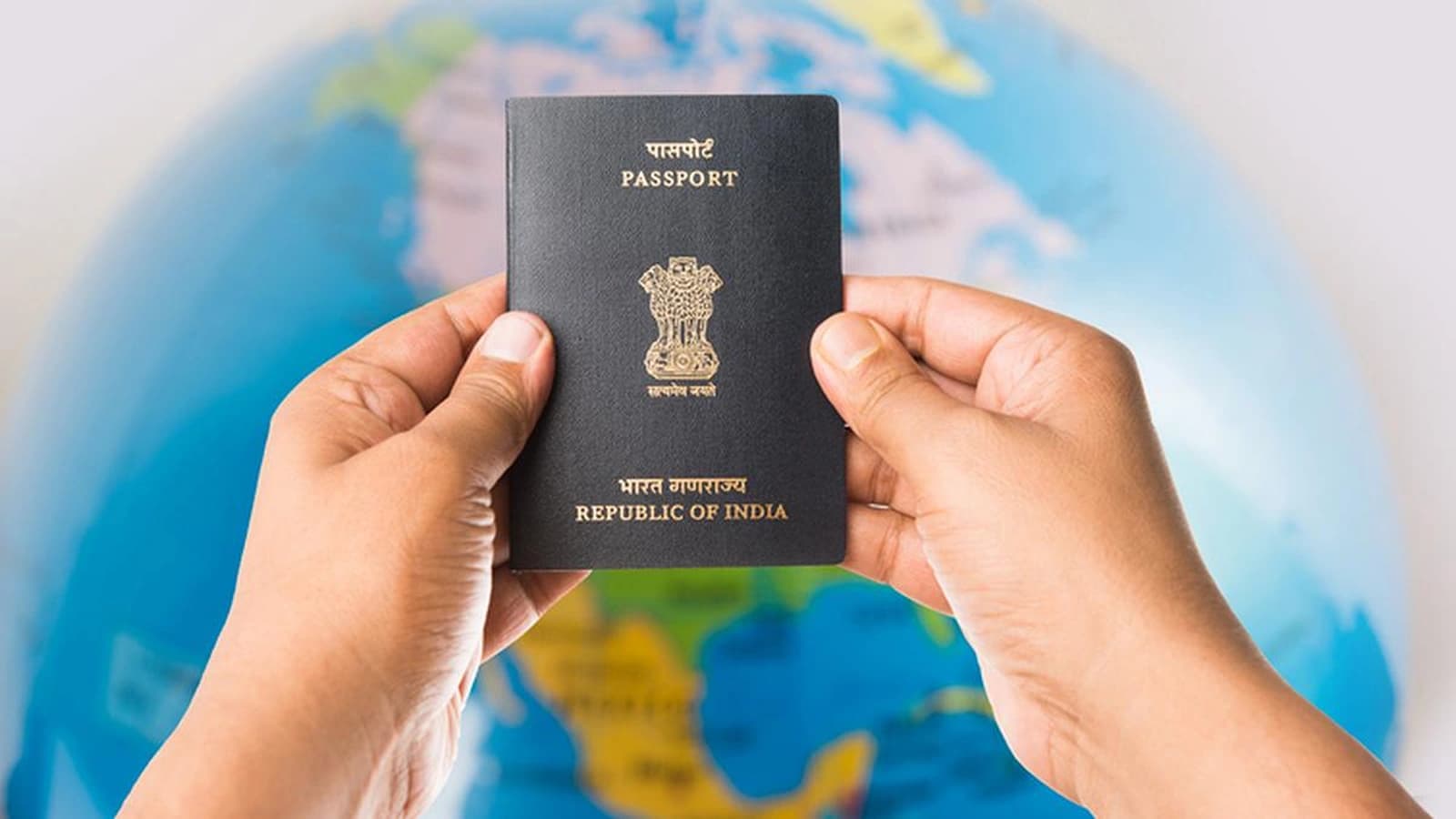
The Ministry of Home Affairs introduces new passport and visa exemptions for specified foreign nationals residing in India.
The Central Government has relaxed passport and visa requirements for several categories of foreign nationals residing in India, including religious minorities from neighboring countries, certain Pakistani citizens, registered Sri Lankan Tamil refugees and Tibetan nationals. The changes were introduced through the Immigration and Foreigners (Exemption) (Amendment) Order, 2026, issued by the Ministry of Home Affairs on November 4 and published in the Official Gazette on November 5.
The amendment modifies the existing Immigration and Foreigners Order, 2025, under Section 33 of the Immigration and Foreigners Act, 2025. It provides conditional exemptions from certain passport and visa requirements while introducing specific eligibility criteria for different groups.

Religious Minorities From Pakistan, Bangladesh and Afghanistan Get Relief
One of the major provisions covers six religious communities: Hindus, Sikhs, Buddhists, Jains, Parsis and Christians from Pakistan, Bangladesh and Afghanistan. The exemption applies to individuals who were compelled to seek shelter in India because of religious persecution or fear of persecution and entered the country on or before December 31, 2024. It covers people who entered India without valid passports or travel documents, as well as those whose previously valid documents have expired. However, beneficiaries must obtain an appropriate category of visa after entering India to continue their stay.
Certain Pakistani Nationals Also Eligible
The amendment provides passport-related relief to certain Pakistani citizens who entered India on or before December 31, 2009, intending to settle permanently. The provision covers individuals who cannot renew their Pakistani passports because they do not possess a Computerised National Identity Card (CNIC) issued by Pakistan. A separate exemption covers certain male members of the Muslim community who were originally Indian citizens, moved to Pakistan after Partition between August 15, 1947, and December 31, 1965, and returned to India by December 31, 2009.
They must have settled in Keralam and meet specific conditions, including having left Indian family members behind, not having married or acquired immovable property in Pakistan, and undertaking not to return there. They must also have no adverse police or security reports.
Sri Lankan Tamil Refugees and Tibetans Included
Registered Sri Lankan Tamil nationals who took shelter in India on or before January 9, 2015, are also covered by the amendment. The exemption applies to individuals registered with an officer designated by the Central or state government. Certain Tibetan nationals are also included. These are individuals who entered India using Entry Permits issued by the Indian Embassy in Kathmandu before May 30, 2003, or Special Entry Permits issued after that date, subject to specified registration requirements.
Special Provisions for People of Indian Origin
The government has extended passport-related exemptions to certain people of Indian origin who acquired Malaysian or Singaporean citizenship and returned to India on or before December 31, 2009. The provision applies when their foreign passports have expired and cannot be renewed because they do not meet the respective country's renewal conditions. Applicants must provide documentary evidence establishing their Indian origin. They must also obtain an appropriate visa for their continued stay.
India, Nepal and Bhutan Travel Rules Revised
The amendment also changes identification requirements for citizens travelling between India, Nepal and Bhutan. Indian citizens travelling to Nepal or Bhutan by land or air can use specified identity documents instead of passports, subject to immigration verification. Similar exemptions apply to Nepalese and Bhutanese citizens entering or leaving India. However, these relaxations have limitations. Nepalese and Bhutanese citizens travelling through or transiting China, Macau, Hong Kong or Pakistan must carry valid passports and visas.
Does the Amendment Grant Indian Citizenship?
The new order provides exemptions from specific immigration-document requirements; it does not automatically grant Indian citizenship to the people covered. The Citizenship Amendment Act (CAA), 2019, is a separate law that provides a citizenship application route to eligible Hindu, Sikh, Buddhist, Jain, Parsi and Christian migrants from Pakistan, Bangladesh and Afghanistan who entered India on or before December 31, 2014. The 2026 immigration amendment, meanwhile, covers specified individuals who entered India by December 31, 2024, for passport and visa-related relief.
The amendment came into force on November 5, 2026, following its publication in the Official Gazette. The revised provisions provide targeted relief to specific foreign nationals who face difficulties maintaining valid travel documents. However, eligibility conditions, identity verification and applicable visa requirements will continue to govern their stay in India. The changes also clarify travel arrangements with neighboring countries, making the amendment relevant beyond refugee-related immigration matters.

Delhi Metro Diwali 2026 Timings: Last Train at 10 PM, Pink Magenta and Grey Lines to Start at 6 AM

New Delhi Railway Station Introduces Separate Entry and Exit Gates for Diwali, Chhath Rush; Check Gate Numbers
India Relaxes Passport and Visa Rules for Refugees, Pakistani Nationals and Foreigners: Check Eligibility
Supreme Court Flags Delhi Pollution as AQI Nears 400, Questions Vehicular Emissions

Indian Railways Plans Door-to-Door Parcel Service in 8 Cities: Check Booking, Charges and Refund Rules

‘It’s actually very cut-throat’: 13-year-old wins New Zealand spelling bee title

Schoolchildren join desperate effort to save stranded whales on New Zealand coast

New Zealand school hostel shut down after damning inspection raises concerns over student welfare

Can AI blackboards change how mathematics is taught in India? China's new technology offers glimpse

Tamil Nadu renews NEET abolition demand, seeks Class 12 marks for medical admissions

Delhi Metro Diwali 2026 Timings: Last Train at 10 PM, Pink Magenta and Grey Lines to Start at 6 AM
New Delhi Railway Station Introduces Separate Entry and Exit Gates for Diwali, Chhath Rush; Check Gate Numbers
India Relaxes Passport and Visa Rules for Refugees, Pakistani Nationals and Foreigners: Check Eligibility
Supreme Court Flags Delhi Pollution as AQI Nears 400, Questions Vehicular Emissions
Indian Railways Plans Door-to-Door Parcel Service in 8 Cities: Check Booking, Charges and Refund Rules
‘It’s actually very cut-throat’: 13-year-old wins New Zealand spelling bee title
Schoolchildren join desperate effort to save stranded whales on New Zealand coast
New Zealand school hostel shut down after damning inspection raises concerns over student welfare
Can AI blackboards change how mathematics is taught in India? China's new technology offers glimpse
Tamil Nadu renews NEET abolition demand, seeks Class 12 marks for medical admissions
Copyright© educationpost.in 2026 All Rights Reserved.