


The five-year programme aims to strengthen India's electricity supply by supporting large-scale energy storage projects as the country expands its renewable energy capacity.
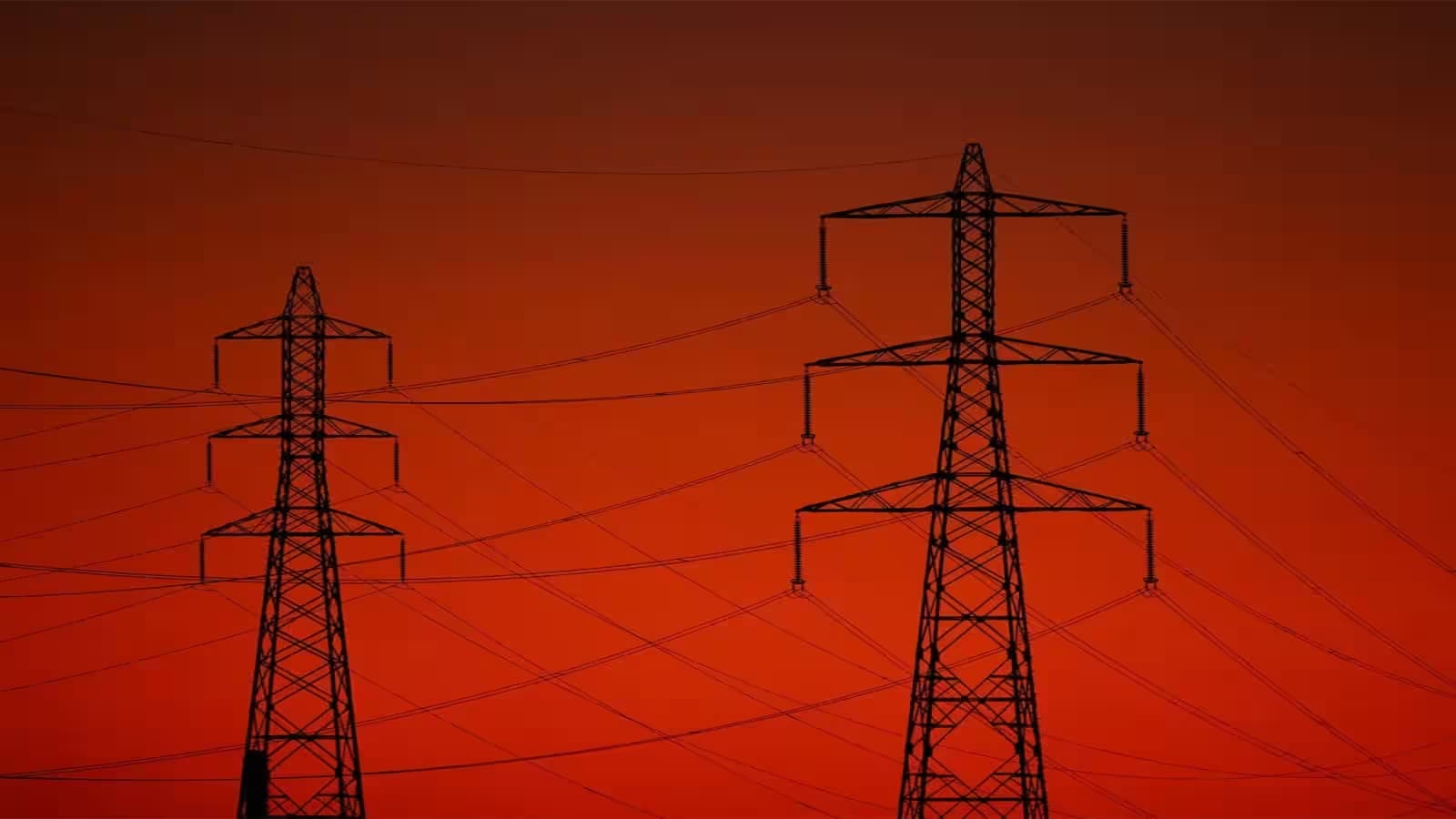
India approves ₹14,500 crore energy storage scheme
India's renewable energy ambitions are getting another major push. The Union Cabinet has approved a ₹14,500 crore programme to support the development of large-scale energy storage projects across the country, aiming to add 92 gigawatt-hours (GWh) of storage capacity. Announced on November 4 by Information and Broadcasting Minister Ashwini Vaishnaw, the programme is intended to help India store electricity and make it available when demand rises or renewable energy generation falls.
According to Reuters, the Cabinet approved ₹145 billion, equivalent to approximately $1.53 billion, for the initiative. Viability Gap Funding scheme, which is designed to make expensive infrastructure projects more financially attractive to investors. The programme is significant as India continues to expand solar and wind power but faces the challenge of ensuring a reliable electricity supply throughout the day.

Why Does India Need Large-Scale Energy Storage?
Solar and wind power depend on weather conditions and are not available at the same level throughout the day. Solar panels generate electricity during daylight hours, while their output falls after sunset. Wind power also changes depending on weather conditions. However, electricity demand does not stop when renewable energy generation declines. Homes, offices and industries continue to require power, particularly during evening peak hours.
Energy storage can help address this gap by saving surplus electricity and supplying it when needed. This can help reduce the wastage of renewable electricity and make the country's power supply more reliable.
What Will the ₹14,500 Crore Scheme Support?
The programme aims to develop 92 GWh of new grid-scale energy storage capacity. The reported implementation period runs from financial year 2026–27 to 2030–31. The programme is expected to support different storage technologies, including battery-based systems and pumped storage projects.
Battery Energy Storage Systems (BESS) store electricity in rechargeable batteries. These systems can be installed near solar and wind power plants or connected to the electricity grid. They can supply stored power when renewable generation is low or demand increases.
Pumped Storage Projects (PSP) use water reservoirs at different heights. When surplus electricity is available, it is used to pump water to an upper reservoir. When electricity demand rises, the water is released through turbines to generate power.
Both technologies can help manage changes in electricity supply and demand.NHowever, the detailed technology-wise allocation and implementation guidelines for the newly approved programme require confirmation through an official government notification.
What Is Viability Gap Funding?
A major feature of the reported programme is its use of Viability Gap Funding (VGF). This means the government provides financial support to help projects that are important for public infrastructure but may not attract enough private investment because of their high initial costs. Large battery storage facilities and pumped storage projects require significant investment. Government assistance can make these projects more financially attractive and encourage private companies to participate. The ₹14,500 crore approval should not be understood as an equal cash payment to companies. The funding is intended to support eligible projects under the scheme's conditions, which are yet to be detailed publicly.
The Cabinet's decision comes as India prepares for a substantial increase in its electricity storage needs. According to the Ministry of Power, India's National Electricity Plan estimates that the country will require 236 GWh of Battery Energy Storage Systems and 175 GWh of pumped storage capacity by 2031–32. The estimated investment required to meet these needs is around ₹3.49 lakh crore for battery storage and ₹1.29 lakh crore for pumped storage projects.
These figures highlight why energy storage has become an important part of India's renewable energy plans. The government has also introduced other measures to encourage battery manufacturing and storage infrastructure. These include an earlier battery storage funding scheme and an ₹18,100 crore Production-Linked Incentive programme aimed at establishing 50 GWh of domestic advanced battery manufacturing capacity.
Can the New Scheme Deliver on Its Promise?
While the ₹14,500 crore approval is an important step, the real test will be how quickly projects move from approval to construction and operation. India has already faced implementation challenges under earlier battery storage programmes. In a March 2026 response to Parliament, the Ministry of Power stated that two existing funding schemes covered approximately 43.8 GWh of battery storage capacity. It also reported that some projects had not reached the required stages for government funding to be released.
The country must also address other challenges, including the high cost of battery infrastructure, delays in project approvals, land requirements for pumped storage and the need to strengthen domestic battery manufacturing. The new programme could encourage investment in energy storage, but its impact will depend on timely project selection, funding and execution. For India, the challenge is no longer limited to generating more renewable electricity. It is also about ensuring that the electricity produced during sunny or windy hours can be used when the country needs it most.

IIT Gandhinagar Researchers Develop Two Compounds That Show Promise Against Drug-Resistant Brain Cancer

Japan's Hokkaido University faces faculty exodus as funding cuts hit research environment

Satya School Gurugram Organises Annual Sports Day Satyan Spardha; Asian Games Double Medallist Ganesh Thirumuru Inspires Students

NCTE Forms Two Committees to Revise CTET, STET Eligibility Rules for ITEP Graduates

Why are Japanese families paying more for private high schools despite tuition subsidies?
Japan's Hokkaido University faces faculty exodus as funding cuts hit research environment
Why are Japanese families paying more for private high schools despite tuition subsidies?

China honors five scholars from four countries with global education research award

IIT Kanpur, BIT Mesra sign five-year agreement to strengthen academic and research collaboration

Why are India's leading universities slipping in QS Asia Rankings 2027 despite growing representation?

IIT Gandhinagar Researchers Develop Two Compounds That Show Promise Against Drug-Resistant Brain Cancer
Japan's Hokkaido University faces faculty exodus as funding cuts hit research environment
Satya School Gurugram Organises Annual Sports Day Satyan Spardha; Asian Games Double Medallist Ganesh Thirumuru Inspires Students
NCTE Forms Two Committees to Revise CTET, STET Eligibility Rules for ITEP Graduates
Why are Japanese families paying more for private high schools despite tuition subsidies?
Japan's Hokkaido University faces faculty exodus as funding cuts hit research environment
Why are Japanese families paying more for private high schools despite tuition subsidies?
China honors five scholars from four countries with global education research award
IIT Kanpur, BIT Mesra sign five-year agreement to strengthen academic and research collaboration
Why are India's leading universities slipping in QS Asia Rankings 2027 despite growing representation?
Copyright© educationpost.in 2026 All Rights Reserved.