


Comments on Vishnu idol restoration plea spark controversy; Solicitor General and Kapil Sibal caution against disproportionate social media outrage.

Chief Justice of India BR Gavai on September 18 sought to clarify remarks that ignited widespread debate on social media, asserting that his comments had been misrepresented and emphasizing his respect for all religions.
The controversy stems from a hearing on September 16 regarding a petition to restore a damaged 7-foot Vishnu idol at the Javari temple in Madhya Pradesh. While dismissing the plea, a bench led by Chief Justice Gavai told the petitioner, “This is purely a publicity interest litigation. Go and ask the deity itself to do something now. You say you are a staunch devotee of Lord Vishnu. So go and pray now.”

The remarks quickly went viral, drawing criticism from social media users who accused the Chief Justice of hurting religious sentiments and even called for his removal. Several lawyers also wrote to the Supreme Court urging Gavai to clarify or retract his statement.
Responding during a separate hearing, CJI Gavai said, “Someone told me the other day that the comments I made have been posted on social media... I respect all religions.”
Highlighting the challenges posed by online reactions, Solicitor General Tushar Mehta observed, “This is serious. We used to know Newton’s law that every action has an equal reaction, now every action has disproportionate social media reaction.” Senior advocate Kapil Sibal likened the phenomenon to “an unruly horse” that cannot be tamed.
The petition in question was dismissed on grounds that the matter falls under the jurisdiction of the Archaeological Survey of India (ASI). The bench noted that the plea appeared motivated by publicity rather than substantive legal concerns.
The episode underscores the growing tension between judicial statements and instantaneous social media scrutiny, raising questions about how courts navigate public perception in an era of viral outrage.

When smart glasses become cheating tools: South Korea draws tougher exam rules

Jeans out, formals in: Bihar rolls out stricter rules for government school staff
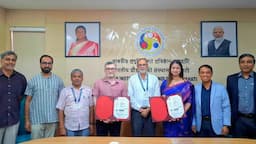
Building India's chip talent: IIT Guwahati joins hands with Tata Electronics
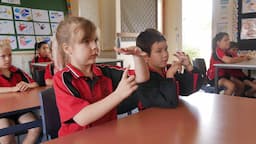
Auslan gains ground in Western Australian schools

Children’s Right to Internet: What Supreme Court Ruling Means for Parents, Schools and Social Media Platforms
When smart glasses become cheating tools: South Korea draws tougher exam rules
Jeans out, formals in: Bihar rolls out stricter rules for government school staff
Auslan gains ground in Western Australian schools
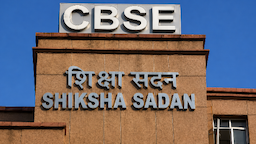
CBSE revises Class IX curriculum for 2028 board batch: Drops three subjects, check details

Serbia elects student-backed parliament with more than 160 PhD holders on candidate list

When smart glasses become cheating tools: South Korea draws tougher exam rules
Jeans out, formals in: Bihar rolls out stricter rules for government school staff
Building India's chip talent: IIT Guwahati joins hands with Tata Electronics
Auslan gains ground in Western Australian schools
Children’s Right to Internet: What Supreme Court Ruling Means for Parents, Schools and Social Media Platforms
When smart glasses become cheating tools: South Korea draws tougher exam rules
Jeans out, formals in: Bihar rolls out stricter rules for government school staff
Auslan gains ground in Western Australian schools
CBSE revises Class IX curriculum for 2028 board batch: Drops three subjects, check details
Serbia elects student-backed parliament with more than 160 PhD holders on candidate list
Copyright© educationpost.in 2026 All Rights Reserved.