


Harvard, MIT and Stanford face investigations into alleged visa misuse, while a separate labor certification suspension affects Microsoft and seven other companies.
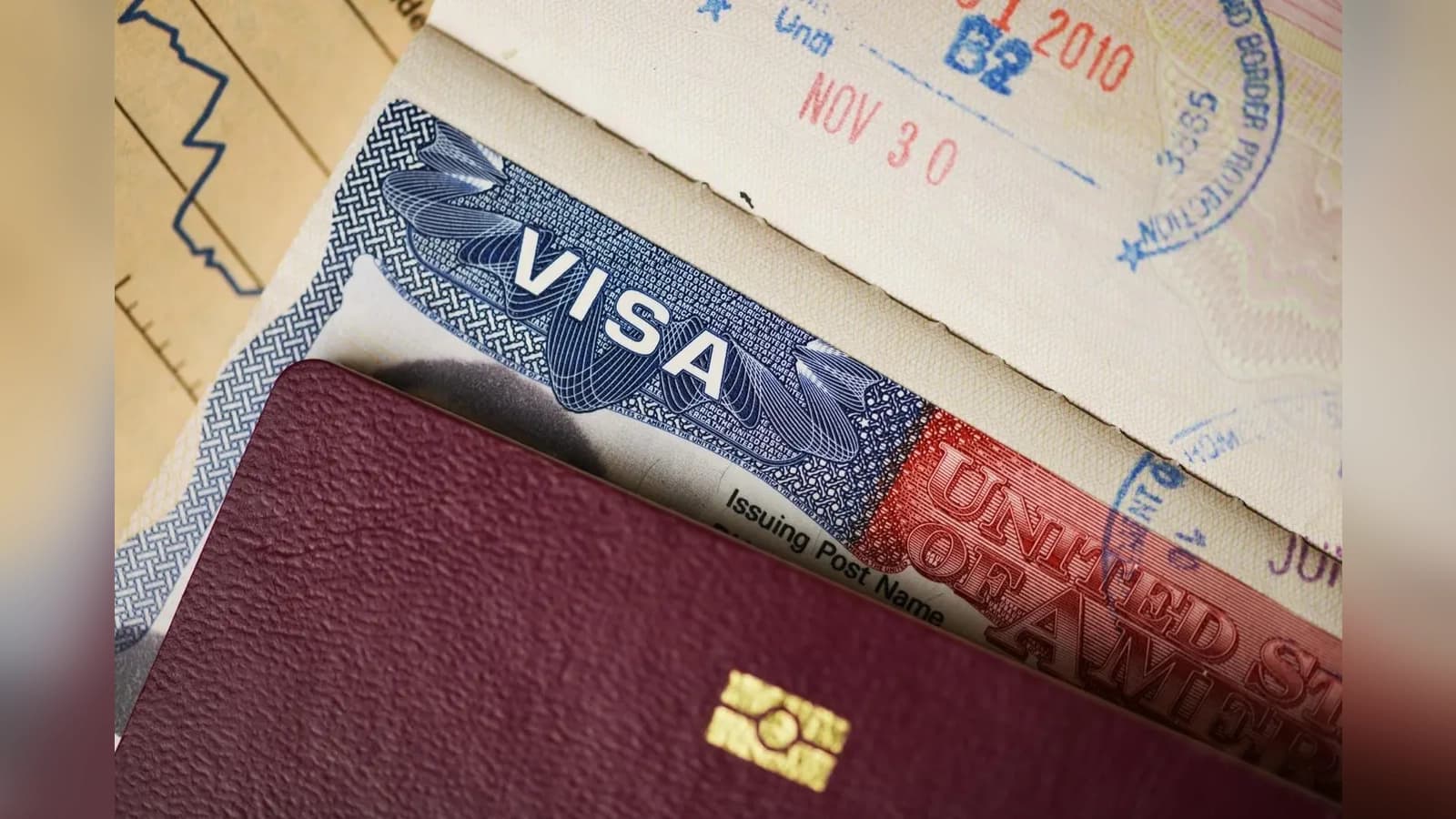
Nine US universities face investigations into alleged J-1 visa misuse, alongside a separate PERM suspension affecting eight companies.
The Trump administration has opened investigations into nine universities over suspected misuse of J-1 exchange visitor visas and suspended permanent labor certification processing for eight companies, affecting a step in many employment-based green card applications.
The measures, announced on Oct. 8, target separate immigration processes used by universities and businesses to recruit international researchers and workers. Officials alleged that employers had used these programs to disadvantage American workers. The announcements concern suspected violations, rather than established findings of wrongdoing.

The universities under investigation are Harvard, Yale, Stanford, Brown, the University of Pittsburgh, the University of California, Davis, the California Institute of Technology, Arizona State University and the Massachusetts Institute of Technology.
In an Oct. 9 statement, the Labor Department’s Office of Inspector General confirmed that all nine institutions had been served with subpoenas. Investigators are examining alleged misuse and misclassification within their J-1 programs, including whether practices at institutions receiving federal research funding violated program requirements or disadvantaged American workers.
Vice President JD Vance accused the universities of using overseas researchers to reduce labor costs. He claimed that American graduate students and researchers earned about $20,000 more than workers brought in on J-1 visas, but did not identify supporting evidence for that comparison during the announcement.
Several institutions said they were reviewing the government’s requests. MIT, Brown and Pittsburgh confirmed receiving subpoenas, while Stanford said it would cooperate. MIT said its J-1 participants had received US government authorization and defended its commitment to following federal law, according to The Associated Press.
The J-1 visa covers approved work and study exchange programs, including those for research scholars, professors and university students. The investigation announcement does not itself introduce new eligibility requirements or cancel participants’ visas.
What the PERM suspension affects
The separate corporate action covers Microsoft, Adobe, Cognizant, Infosys, Tata Consultancy Services, Wipro, HCL Technologies and Capgemini. Labor Secretary Keith Sonderling said the department would stop accepting new permanent labor certification applications involving the companies and would not process pending applications.
Known as PERM, the certification process generally precedes an employer’s filing of an employment-based immigrant petition with US Citizenship and Immigration Services. The Labor Department must determine that sufficient qualified and available US workers cannot be found for the position and that hiring a foreign worker will not adversely affect comparable American workers’ pay or working conditions. Certification alone does not grant permanent residency.
The suspension could delay affected employees’ plans to obtain permanent residency through employer sponsorship. It does not automatically revoke existing H-1B visas or halt every category of green card application.
Microsoft disputed the administration’s account of its immigration practices. In an Oct. 8 statement, the company said 80% of approximately 6,000 H-1B applications it submitted during the previous fiscal year involved extensions or changes of status for existing employees.
The remaining applications concerned people already legally in the United States, Microsoft said. It also maintained that employees on H-1B visas receive the same pay as colleagues performing comparable work. These figures represent the company’s response to the allegations.

Delhi Class 12 student wins IOAA gold while preparing for JEE
US probes nine universities over J-1 visas, halts PERM processing for eight firms
NLSIU Bengaluru announces NLSAT 2027 date for BA, LLB, MPP and PhD admissions

School Holiday Today, October 12, 2026: Are Schools Closed? Check State-Wise Updates
NIOS Date Sheet 2026: Class 10, 12 October-November Exam Timetable Released, Check Schedule
US probes nine universities over J-1 visas, halts PERM processing for eight firms
.jpg&w=256&q=75)
Regional universities face international student slump as visa refusals and political rhetoric deter applicants

AI may lift homework scores but weaken real learning, World Development Report raises concerns
Ken Griffin’s record $3 billion gift to Carnegie Mellon to fuel new Miami campus

Michael Jordan pledges $10 million to UNC social work school in mother’s honour

Delhi Class 12 student wins IOAA gold while preparing for JEE
US probes nine universities over J-1 visas, halts PERM processing for eight firms
NLSIU Bengaluru announces NLSAT 2027 date for BA, LLB, MPP and PhD admissions
School Holiday Today, October 12, 2026: Are Schools Closed? Check State-Wise Updates
NIOS Date Sheet 2026: Class 10, 12 October-November Exam Timetable Released, Check Schedule
US probes nine universities over J-1 visas, halts PERM processing for eight firms
Regional universities face international student slump as visa refusals and political rhetoric deter applicants
AI may lift homework scores but weaken real learning, World Development Report raises concerns
Ken Griffin’s record $3 billion gift to Carnegie Mellon to fuel new Miami campus
Michael Jordan pledges $10 million to UNC social work school in mother’s honour
Copyright© educationpost.in 2026 All Rights Reserved.