


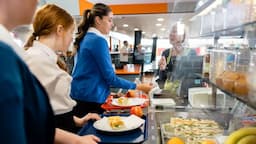
A second consecutive increase in school dinner costs is putting fresh pressure on low-income families, with pupils and school leaders warning that rising prices could leave children hungry and undermine their learning.
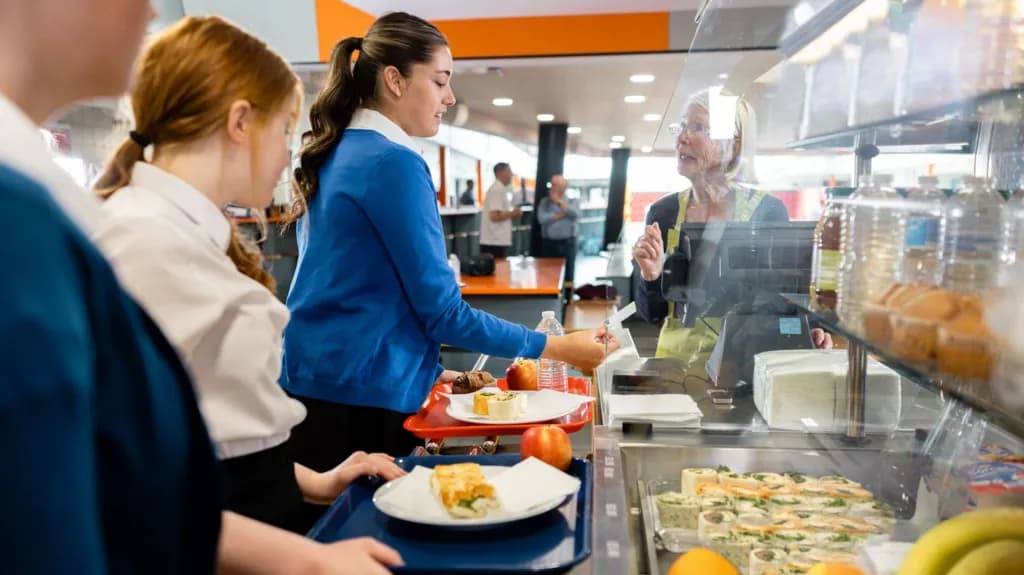
Prices rose at the start of 2026 and are set to increase again in January 2027.
For some pupils in Northern Ireland, buying a hot school lunch is becoming an increasingly difficult choice between eating properly and meeting other daily expenses.
A second consecutive increase in school meal prices has sparked concern among students, parents and school leaders, with teenagers warning that rising costs are making even basic canteen meals unaffordable. Robert-Frederic, 17, a pupil at Malone Integrated College in Belfast, said the previous price increase had already made school lunches difficult to afford. The latest rise, he fears, will push more students into financial hardship.

From January, post-primary pupils will pay 15% more for food purchased at school canteens, while the cost of set meals at pre-school, primary and special schools will increase by 30p. The Education Authority (EA) said the revised charges would remain significantly below the average cost of producing a school meal, estimated at more than £5.20.

However, students say the financial calculations do not reflect the daily struggles of families trying to make ends meet. "Back before the price rise in 2026, you could get water, a cookie and your hot meal and now with the price rise students are struggling just to get a hot meal," Robert-Frederic was quoted as saying by BBC News NI. "Instead of just going off numbers on a page, you should actually see how it affects people." The latest increase follows a 50p rise in primary and special school meal prices in January 2026. Post-primary pupils also faced an increase of almost 20% in the cost of food purchased from school canteens.
The impact is particularly concerning at Malone Integrated College, where 55% of pupils are eligible for free school meals, while many other students come from low-income households.
Naomi, 17, said it was distressing to see classmates unable to afford school lunches, adding that the rising costs were placing additional pressure on parents. "It's horrible seeing people around me not being able to afford school meals," she said. "Without proper lunches it can affect people's learning and their mental health." For 16-year-old Paddy, the previous increase had already meant changing his food choices to stay within a limited daily budget. He said some of his favourite canteen meals, including chicken, had become more expensive, with the price rising from around £2.20 to £2.60.
"As a student that felt like I should prioritise getting to school because I only get £5 a day and £2.50 of that has to go towards getting the bus," he said. The pressure is also being felt by families with several school-going children. Malone Integrated College headteacher Áine Leslie said the latest increase would make an already difficult financial situation worse, particularly for households managing expenses across primary and post-primary schools. She recalled the difficult decisions involved when prices were raised earlier this year, describing how she sat with the school's cafeteria head to decide how much to increase the cost of individual items.

Leslie also expressed concern that some pupils might avoid seeking assistance because of the stigma associated with financial hardship. Some students, she said, would be reluctant to speak about their difficulties or ask for help. She warned that children who miss meals or cannot access a healthy, balanced diet face another barrier to learning.
Concerns are also growing at Omagh High School in County Tyrone, where almost 30% of pupils receive free school meals.
Principal Christos Gaitatzis warned that higher prices could discourage families from purchasing nutritious school lunches for their children. He described the 15% increase for post-primary pupils as excessive, arguing that a rise closer to the prevailing inflation rate would have been more reasonable. "What is the price index at the moment – is it 3, 4, 5%? I would imagine that would be the reasonable increase that you would put on anything," he was quoted as saying by BBC News NI.
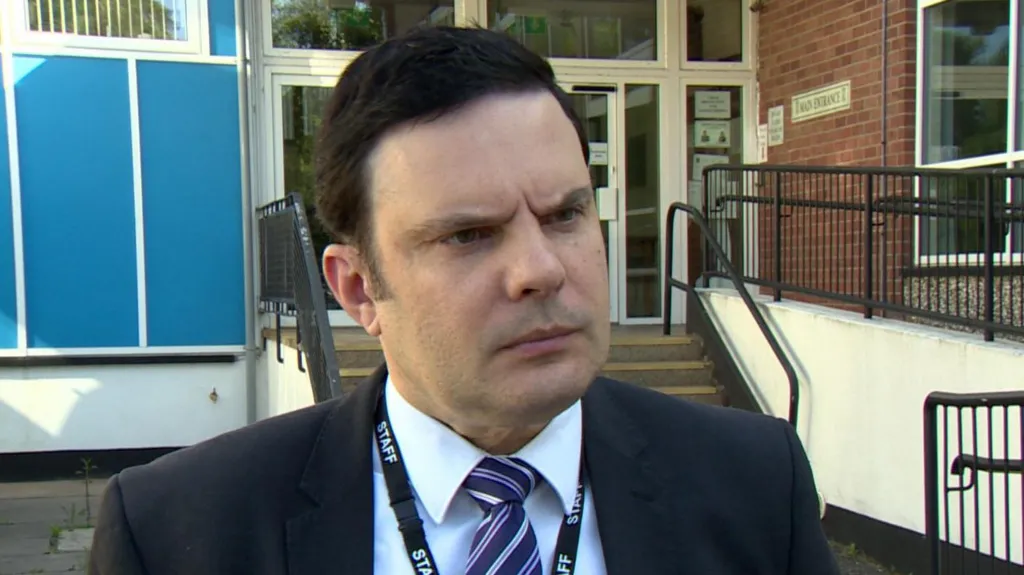
"So they are going three times the value - to me it is unreasonable." Gaitatzis also warned that the decision could have long-term consequences for children's health.
Education Minister Paul Givan said he was disappointed and concerned about the increases but attributed them to inadequate funding across Northern Ireland's education sector.
Speaking to BBC's Good Morning Ulster, he said he did not want the changes introduced but argued that the Education Authority lacked sufficient resources to maintain existing services. He said education often bore the greatest burden when public spending cuts were introduced and called for the department to receive a larger share of Stormont's budget. Givan also pointed to what he described as inadequate funding from Westminster, saying financial constraints were affecting a wide range of public services across Northern Ireland.
Stormont ministers have yet to reach agreement on a budget despite weeks of discussions with Secretary of State Sir Chris Bryant, who has repeatedly said there is "no more money". The Education Authority has described its financial position as exceptionally challenging, with rising operational costs adding to pressure on school services.
Northern Ireland's Commissioner for Children and Young People, Chris Quinn, strongly criticised the latest increase, saying school meals should be treated as an essential service rather than an optional expense.
He said the additional costs would disproportionately affect families already struggling with the rising cost of living. "School meals are not a luxury. For many children they are an essential part of the school day, and these increases will hit hardest those families already struggling with the cost of living," Quinn said.
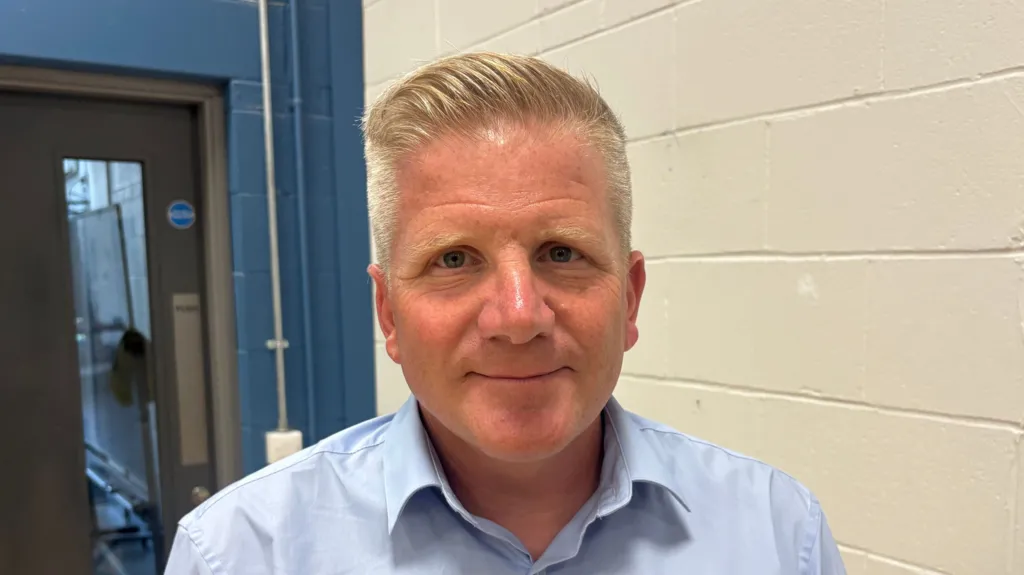
He also questioned the timing of the decision, particularly after the Education Authority had recently advised school staff and pupils to wear additional clothing to help reduce heating costs. "Children did not create the financial crisis in education and they should not be expected to pay the price for it," he added.
With the latest changes, the price of a paid school dinner at primary and special schools will rise from £2.60 to £3.40 over the course of 2026.
The increase will not affect pupils eligible for free school meals. However, school meal prices are only one part of a wider package of cost-saving measures being considered by the Education Authority. These include replacing baked desserts with cheaper alternatives in some school menus.
Other services could also face financial pressure. Subsidies for milk supplied to around 500 schools are at risk, although the authority plans to seek funding from the Department of Agriculture, Environment and Rural Affairs. The EA is also considering expanding payments to parents who transport their children to school where private transport providers, such as taxis, are unavailable.
Charges for music lessons provided by the authority are also set to increase again.
Defending the measures, the Education Authority said it was being expected to maintain services with insufficient funding while operational expenses, including school energy costs, continued to rise.
It aims to save £20 million through the latest measures, building on £30 million in savings made during the current year. "These were difficult decisions which sought to balance our commitment to children and young people alongside the requirement to live within the funding allocated for the year," said an official. For pupils such as Robert-Frederic, however, the consequences are already visible in everyday school life. As the cost of a basic lunch continues to rise, the concern is no longer simply about what students can afford to eat, but whether every child can access a proper meal during the school day.

Lockdown lifted at New Zealand school after police respond to threat
New Zealand university staff withhold grades in pay dispute
New Zealand school apologises after NCEA English exam disrupted by computer failure

Indian Rupee Rises 7 Paise to ₹93.70 Against US Dollar as Foreign Investments Return

Uganda validates five strategic documents to strengthen STEM education in schools
New Zealand university staff withhold grades in pay dispute
New Zealand school apologises after NCEA English exam disrupted by computer failure
Indian Rupee Rises 7 Paise to ₹93.70 Against US Dollar as Foreign Investments Return
ICSE Class 10 Timetable 2027: Subject-Wise Exam Dates and Timings Announced
Northern Ireland school meal price hikes leave pupils struggling to afford hot lunches

Lockdown lifted at New Zealand school after police respond to threat
New Zealand university staff withhold grades in pay dispute
New Zealand school apologises after NCEA English exam disrupted by computer failure
Indian Rupee Rises 7 Paise to ₹93.70 Against US Dollar as Foreign Investments Return
Uganda validates five strategic documents to strengthen STEM education in schools
New Zealand university staff withhold grades in pay dispute
New Zealand school apologises after NCEA English exam disrupted by computer failure
Indian Rupee Rises 7 Paise to ₹93.70 Against US Dollar as Foreign Investments Return
ICSE Class 10 Timetable 2027: Subject-Wise Exam Dates and Timings Announced
Northern Ireland school meal price hikes leave pupils struggling to afford hot lunches
Copyright© educationpost.in 2026 All Rights Reserved.