


Five-year plan aims to address environmental inequalities, strengthen community participation and ensure Indigenous and marginalized groups have a greater voice in environmental decisions.
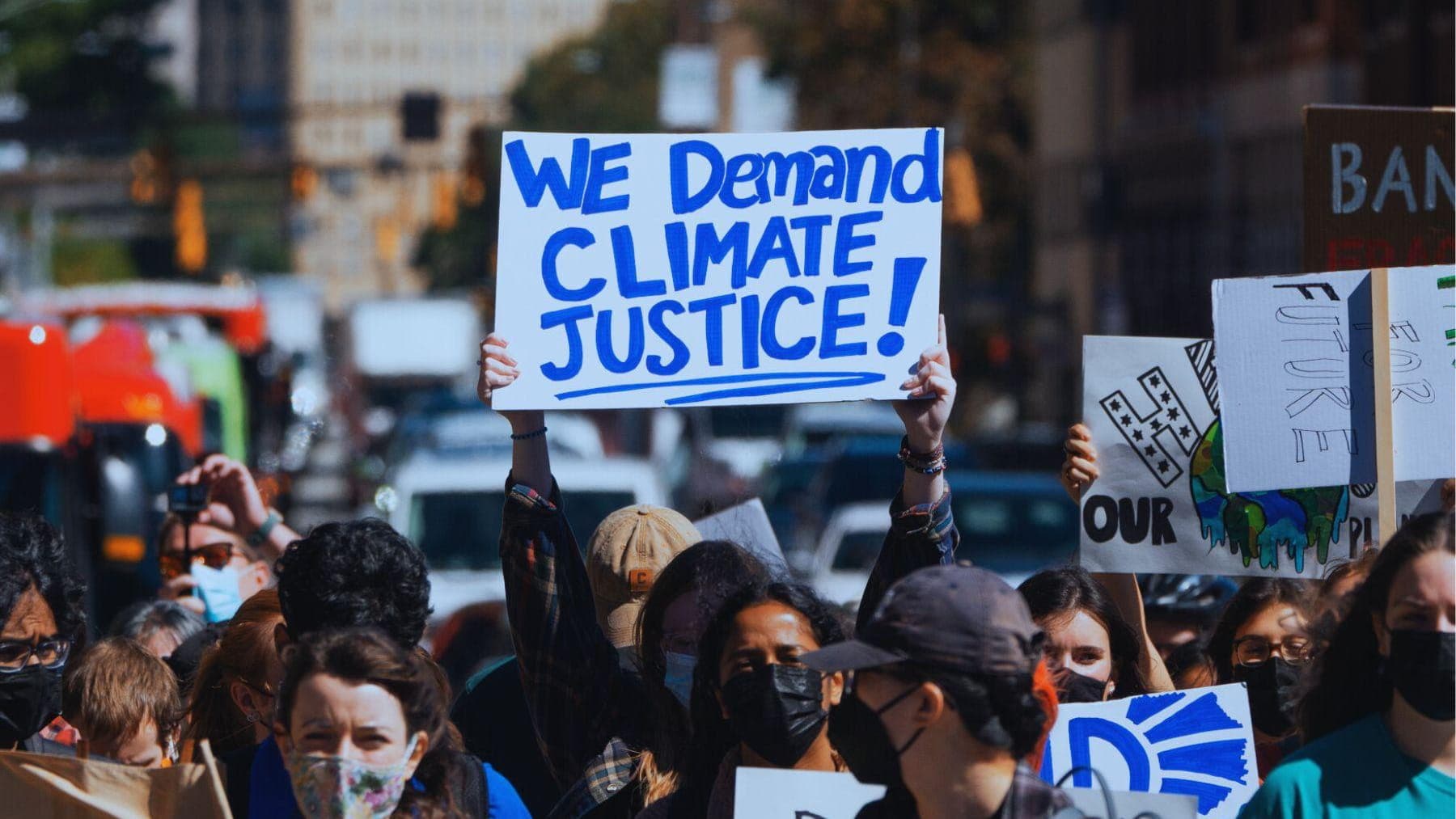
The Government of Canada has unveiled its first national strategy to address environmental racism and advance environmental justice, recognising the unequal environmental risks faced by Indigenous, racialized and other marginalized communities.
Environment and Climate Change Canada has published Canada’s National Strategy Respecting Environmental Racism and Environmental Justice 2026–2031, a five-year framework designed to guide federal action and strengthen collaboration with communities, Indigenous governments and other partners.

The strategy seeks to reduce environmental inequities in federal decision-making, improve public access to environmental information and ensure that communities affected by environmental risks have a meaningful voice in decisions that shape their lives.
For years, Indigenous peoples, racialized communities and other marginalized groups have worked alongside advocacy organisations, governments and environmental justice groups to highlight how historical decisions and policies have contributed to unequal environmental outcomes. The new strategy aims to build on those efforts and establish a coordinated approach to addressing these concerns nationwide.
According to the government, the framework was developed through engagement and consultations with communities, Indigenous governments and organisations, environmental justice partners and members of the Canadian public.
The government has also emphasised that continued public feedback will be important as the strategy moves into implementation. Community input is expected to help shape practical measures that reflect local circumstances and the experiences of people affected by environmental inequities.
Environment and Climate Change Minister Julie Dabrusin said environmental risks and harms are not experienced equally, particularly by communities that have historically had limited representation in environmental policymaking.
“Environmental harms and risks are not always experienced equally, including by Indigenous, racialized, and other marginalized communities who have historically been left out of environmental decision-making, policies, and practices,” Dabrusin said.
She added that discussions through national forums and community-specific sessions had helped shape the strategy and establish a path towards more equitable environmental outcomes.
The government said environmental protection remains a shared responsibility, requiring sustained cooperation among federal, provincial, territorial and municipal authorities, Indigenous rights-holders, affected communities and other partners.
The strategy marks a national policy step towards addressing environmental racism and strengthening environmental justice in Canada. Its longer-term impact will depend on how effectively its commitments are translated into action and how meaningfully affected communities are involved in that process.

NTA opens JEE Main 2027 registration, applications close on Nov 22

59% of Class 12 students report low satisfaction with school life

Reed College’s concrete owl stolen, frozen and set on fire

Cornell researchers develop synthetic lubricant now entering human trials for osteoarthritis

Assam announces Feb 2027 exams for 5,734 govt posts across six departments
Reed College’s concrete owl stolen, frozen and set on fire

Canada announces $813 million research boost to back 450-plus researchers

Abu Dhabi aims to bring 2,000 Emirati teachers into private schools within five years

Australian schools record thousands of student sexual misconduct reports as child safety concerns grow

Egypt insists international schools include Arabic, history in final scores

NTA opens JEE Main 2027 registration, applications close on Nov 22
59% of Class 12 students report low satisfaction with school life
Reed College’s concrete owl stolen, frozen and set on fire
Cornell researchers develop synthetic lubricant now entering human trials for osteoarthritis
Assam announces Feb 2027 exams for 5,734 govt posts across six departments
Reed College’s concrete owl stolen, frozen and set on fire
Canada announces $813 million research boost to back 450-plus researchers
Abu Dhabi aims to bring 2,000 Emirati teachers into private schools within five years
Australian schools record thousands of student sexual misconduct reports as child safety concerns grow
Egypt insists international schools include Arabic, history in final scores
Copyright© educationpost.in 2026 All Rights Reserved.