Rising temperatures, altered monsoon patterns, and reckless urbanisation fuel unprecedented floods, landslides, and destruction across the region.

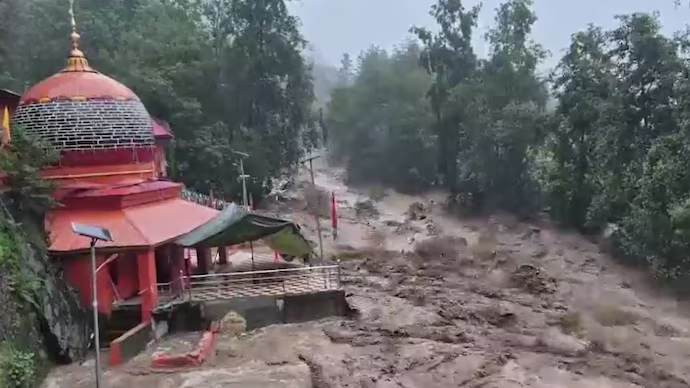
Heavy rains and floods are wreaking havoc across South Asia, leaving a trail of death and devastation in India, Pakistan, and China. Triggered by altered monsoon patterns and accelerated by climate change, the deluge has claimed lives, crippled infrastructure, and stranded millions.
In India, at least 30 people were killed in massive landslides in Jammu, while swollen rivers such as the Ganga, Tawi, Chenab, and Basantar have inundated low-lying areas across Uttar Pradesh, Bihar, and Jammu. Roads remain blocked in Himachal Pradesh and Uttarakhand, isolating entire communities as rescue operations intensify.

Pakistan’s northern belt — Khyber Pakhtunkhwa, Gilgit-Baltistan, and Punjab — is facing its worst floods in years, with evacuations still underway. Meanwhile, China has counted staggering economic losses of nearly Rs 1.84 lakh crore after two months of relentless downpours devastated infrastructure and livelihoods.
The climate connection
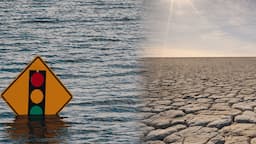
While seasonal flooding is not new to the region, the scale and ferocity of this year’s rains demand urgent attention. Scientists warn that rising temperatures are disrupting long-established monsoon cycles. Increased evaporation from mountains and rivers is fuelling intense, short-burst downpours that trigger flash floods.
The monsoon trough has also shifted southwards, delivering excess rainfall to regions like Rajasthan and Gujarat, even as the northeast receives less. Urbanisation, deforestation, and industrialisation are compounding the crisis, choking natural drainage systems and destabilising fragile slopes.
Urgent call for action
Experts caution that without decisive intervention — from restoring floodplains to strengthening early warning systems — South Asia will face deadlier cycles of destruction each year. What was once considered a seasonal challenge is rapidly becoming a climate catastrophe.


SRMIST to Host International Physiotherapy Conference & Hand Conclave 2026
.jpg&w=256&q=75)
India rejects China’s move to rename places in Arunachal Pradesh, calls it ‘mischievous’

Hydrogen stove powered by water-based fuel emerges as LPG alternative in India

India’s humanitarian hand reaches Iran as embassy dispatches donated medicines
.jpg&w=256&q=75)
Kerala student death sparks probe as family alleges faculty harassment at Kannur dental college
.jpg&w=256&q=75)
India rejects China’s move to rename places in Arunachal Pradesh, calls it ‘mischievous’

Hydrogen stove powered by water-based fuel emerges as LPG alternative in India

Asha Bhosle dies at 92, ending an era of timeless melody

No deal, no breakthrough: US-Iran truce talks collapse in Islamabad, says Vance

Iran rejects US terms, Islamabad talks end without deal

SRMIST to Host International Physiotherapy Conference & Hand Conclave 2026
.jpg&w=256&q=75)
India rejects China’s move to rename places in Arunachal Pradesh, calls it ‘mischievous’

Hydrogen stove powered by water-based fuel emerges as LPG alternative in India

India’s humanitarian hand reaches Iran as embassy dispatches donated medicines
.jpg&w=256&q=75)
Kerala student death sparks probe as family alleges faculty harassment at Kannur dental college
.jpg&w=256&q=75)
India rejects China’s move to rename places in Arunachal Pradesh, calls it ‘mischievous’

Hydrogen stove powered by water-based fuel emerges as LPG alternative in India

Asha Bhosle dies at 92, ending an era of timeless melody

No deal, no breakthrough: US-Iran truce talks collapse in Islamabad, says Vance

Iran rejects US terms, Islamabad talks end without deal
Copyright© educationpost.in 2024 All Rights Reserved.
Designed and Developed by @Pyndertech