


The system features multi-sensor intelligence gathering, significantly enhancing its ability to detect and deter potential threats.
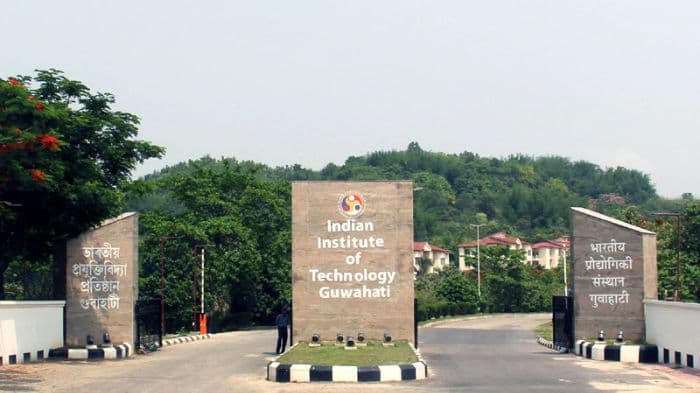
Researchers at Indian Institute of Technology (IIT), Guwahati have developed advanced robots to man international borders which will offer AI-powered surveillance and uninterrupted, real-time monitoring across challenging terrains, according to officials.
The robots developed by Da Spatio Rhobotique Laboratory Pvt. Ltd (DSRL), a start up incubated at IIT Guwahati, have also received acknowledgement from the Defense Research and Development Organization for their potential for integration into India’s defense infrastructure. The Indian Army is already conducting field trials for the surveillance system.

According to Arnab Kumar Barman, CEO, DSRL, unlike conventional security measures that rely on drones, stationary cameras, and manual patrolling, this autonomous robotic system overcomes the limitations of terrain, weather and endurance.
"Equipped with seamless pole traversal capabilities, adaptive obstacle navigation, and AI-driven reconnaissance, the system is a game-changer for border protection, critical infrastructure surveillance, and strategic defense applications. Our mission is to develop cutting-edge, AI-driven surveillance solutions that address the evolving challenges of national security," Barman told PTI.
"This robotic system is designed to operate seamlessly in difficult terrains, ensuring 24/7 vigilance. We are proud to contribute to India's vision of self-reliance in defense technology and are committed to further innovations that strengthen our national security," he added.
The system features multi-sensor intelligence gathering, significantly enhancing its ability to detect and deter potential threats.
Keyur Sorathia, Head - Technology Incubation Centre, IIT Guwahati, said, this ground breaking innovation represents a strategic advancement in India's commitment to strengthening national security through indigenous, high-tech solutions.
"The AI-driven robotic surveillance system exemplifies the transformative potential of deep-tech startups in strengthening India's defense capabilities. With the Indian Army actively conducting field trials, the surveillance system is advancing toward large-scale deployment in sensitive areas and military stations," Sorathia told PTI.
“This cutting-edge, indigenous technology is set to fortify national security by countering modern threats such as rogue drones and infiltration attempts. This breakthrough marks a crucial step in strengthening the nation's frontiers with homegrown innovation,” he added.
(PTI)
Why Were the Meeting Records Made Public?

Significance of the Fifth Plenum

Major Security Breaches and the Role of Artificial Intelligence

Legal Provisions and Guardian Liability
The Role of Satellite Networks in Ukraine’s War

Will AI Become Compulsory in Indian Schools? What NCERT’s New Curriculum Means

McMaster University researcher wins $250,000 fellowship to advance bone implant research

Vande Bharat Sleeper Train: Varanasi–New Delhi Route Approved, Check Route, Timings and Stops

DA Hike 2026: Centre Approves 3% Increase, Allowance Rises to 63%

Haryana Listed 500 CHEERAG Seats at School After Recognition Withdrawal, Records Show

Why Were the Meeting Records Made Public?
Significance of the Fifth Plenum
Major Security Breaches and the Role of Artificial Intelligence
Legal Provisions and Guardian Liability
The Role of Satellite Networks in Ukraine’s War
Will AI Become Compulsory in Indian Schools? What NCERT’s New Curriculum Means
McMaster University researcher wins $250,000 fellowship to advance bone implant research
Vande Bharat Sleeper Train: Varanasi–New Delhi Route Approved, Check Route, Timings and Stops
DA Hike 2026: Centre Approves 3% Increase, Allowance Rises to 63%
Haryana Listed 500 CHEERAG Seats at School After Recognition Withdrawal, Records Show
Copyright© educationpost.in 2026 All Rights Reserved.