


India’s Policy on School Bag, developed by NCERT and aligned with the National Education Policy (NEP) 2020, promotes lighter bags, reduced homework, and stress-free learning practices in schools.
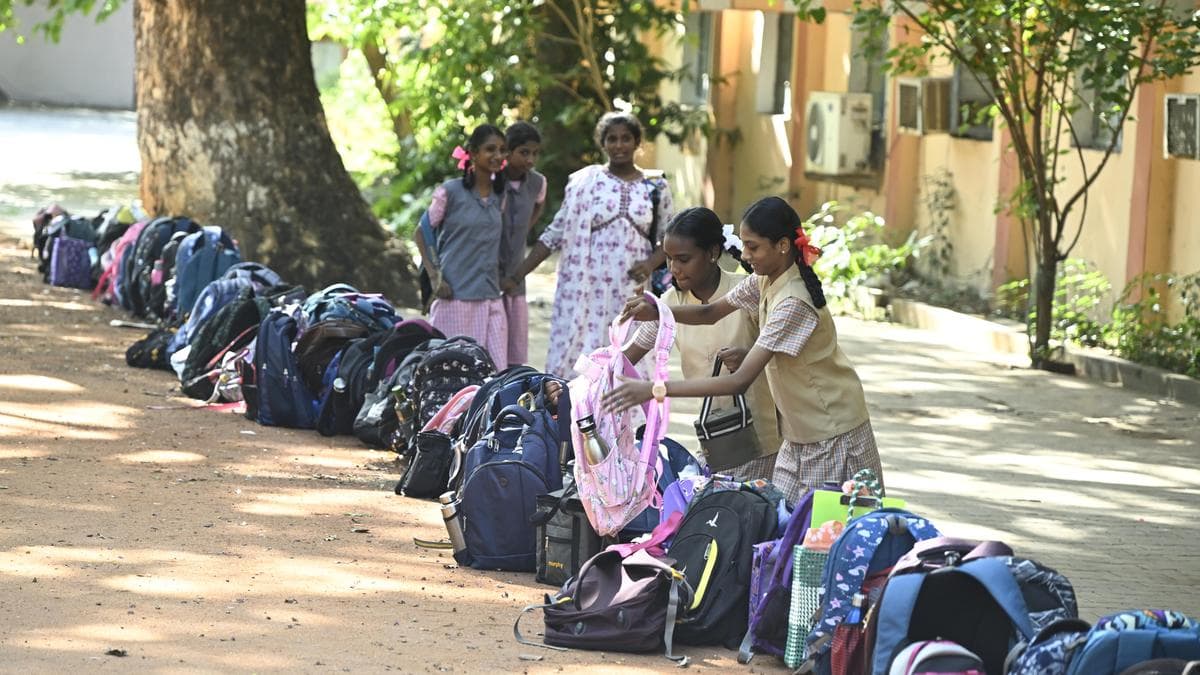
Bihar has instructed schools across the state to implement NCERT guidelines aimed at reducing the burden of heavy school bags on students, reviving concerns around academic pressure, excessive homework, and students mental health.
The directive comes as education systems across India increasingly focus on stress reduction and learner-friendly teaching practices under the National Education Policy (NEP) 2020.

For years, educators, parents, doctors, and policymakers have raised concerns that heavy school bags are not merely a physical burden but also a reflection of deeper problems within the education system, including syllabus overload, textbook dependency, and exam-driven learning.
School education and the burden debate
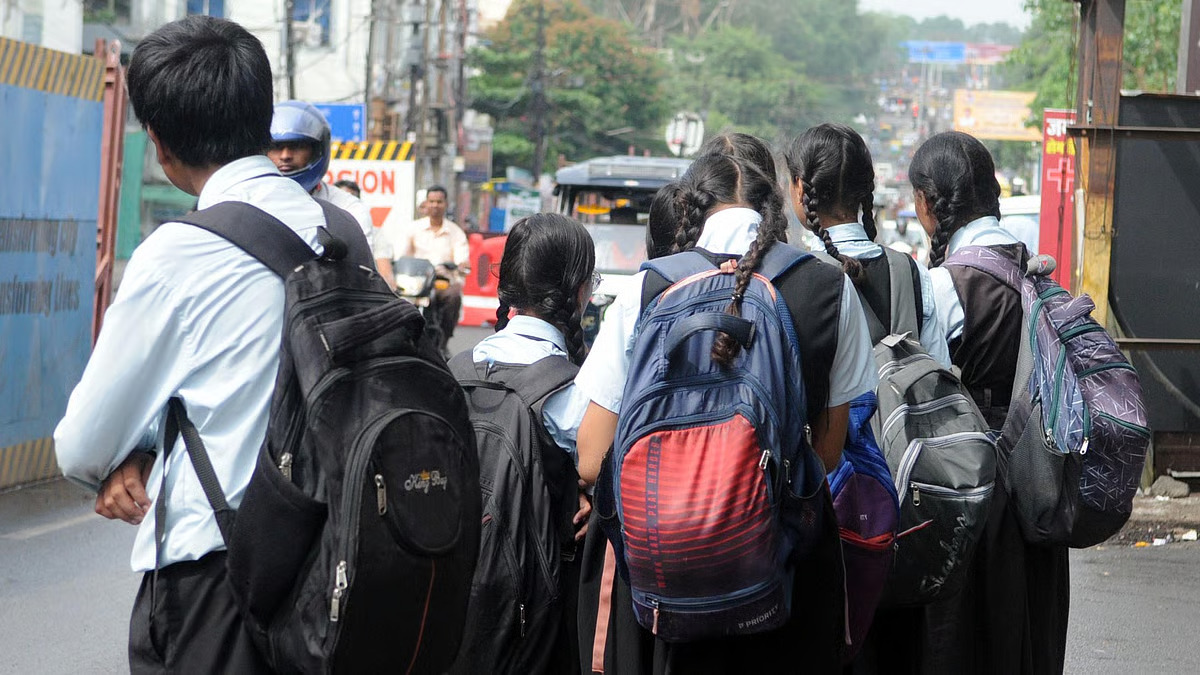
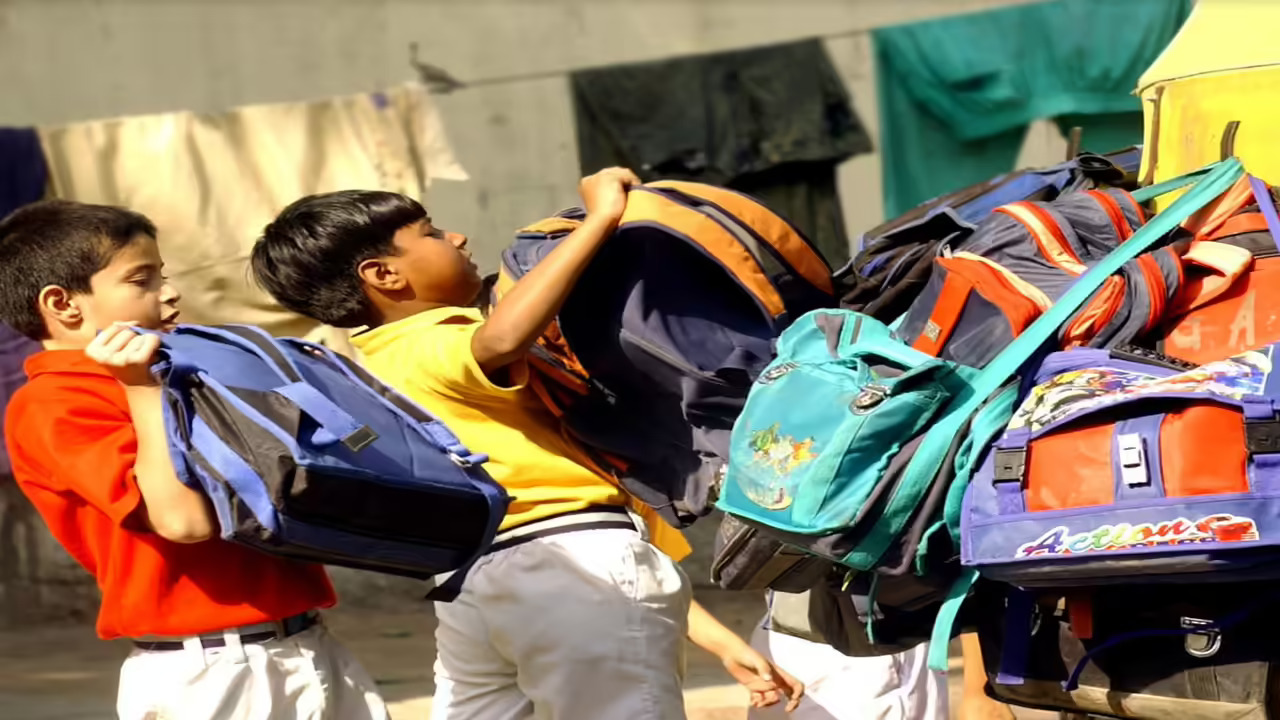
Over the years, the image of school education has increasingly become associated with children carrying oversized backpacks filled with textbooks, notebooks, files, lunch boxes, water bottles, and supplementary materials.
Education experts have repeatedly argued that the physical load carried by students reflects the broader academic burden placed on children from an early age.
The issue was highlighted decades ago by renowned writer RK Narayan, who drew national attention to the sight of children struggling under the weight of school bags during a speech in the Rajya Sabha.
The concern also figured prominently during the preparation of the National Curriculum Framework for School Education (NCFSE) 2000 and the National Curriculum Framework (NCF) 2005 developed by the National Council of Educational Research and Training (NCERT).
The Yash Pal Committee and “Learning Without Burden”
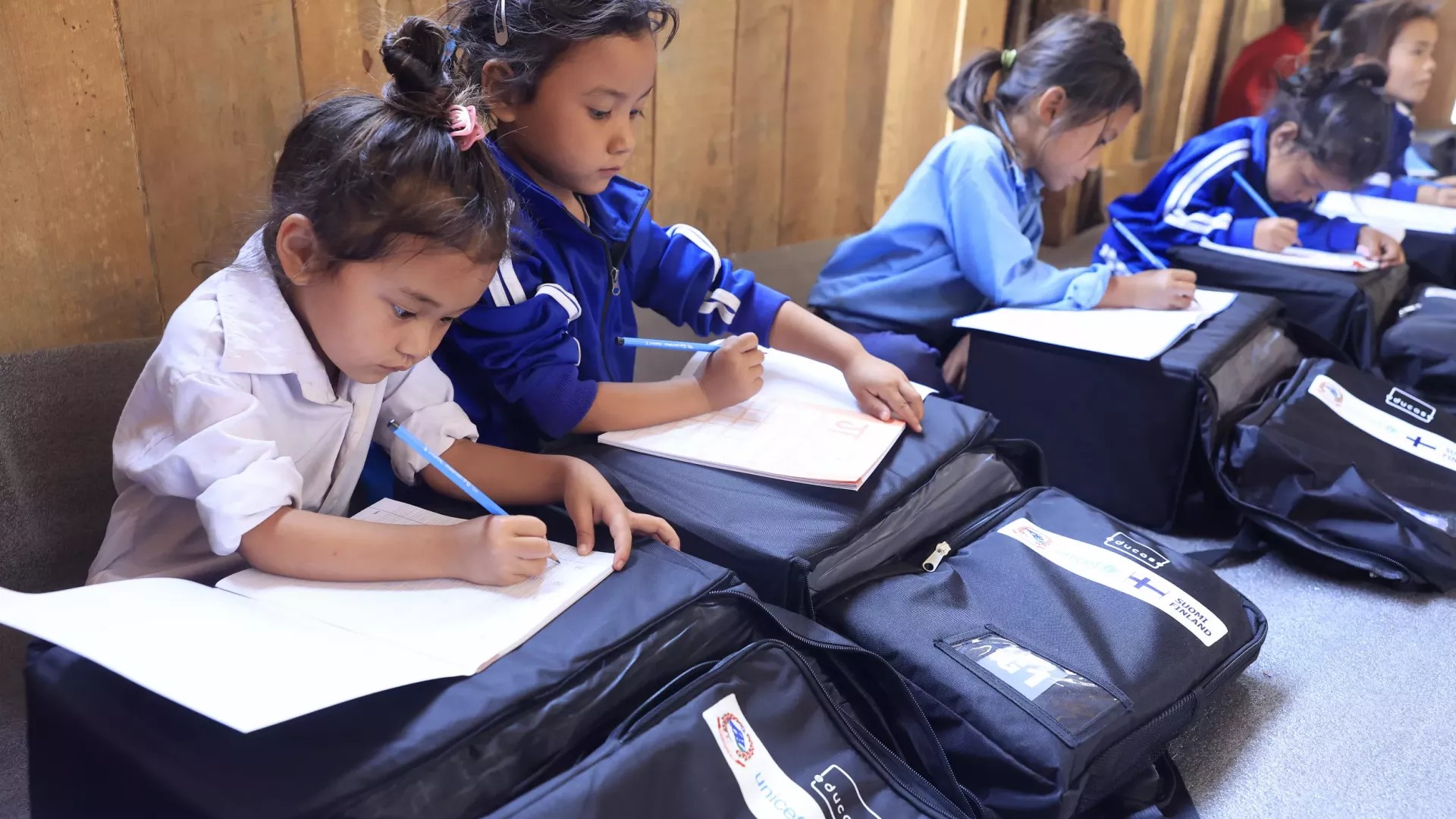
The NCF 2005 drew heavily from the landmark “Learning Without Burden” report prepared under the Yash Pal Committee in 1993. The report identified curriculum overload and textbook-centered teaching as major reasons behind student stress and disengagement from learning.
According to the report, children often experience schools as spaces dominated by rote memorization rather than understanding and exploration.
The framework emphasized that excessive curriculum load creates not only academic pressure but also physical discomfort in the form of heavy school bags.
NCERT maintained that learning becomes more meaningful when classroom teaching connects with children’s real-life experiences, curiosity, and surroundings. The framework argued that stress-free environments encourage deeper understanding and sustained interest in learning.
The NCF 2005 also recommended major changes in classroom structure and subject distribution.
For Classes I and II, the framework suggested teaching only three subjects. For Classes III to V, it recommended four subjects, while Classes VI to X were advised to have six subjects. At the pre-primary stage, NCERT recommended that no textbooks should be prescribed.
The framework further stated that schools should move away from textbook-dominated teaching and adopt learner-centric, competency-based approaches that prioritize understanding over memorization.
How heavy school bags became a policy concern
Over time, surveys and classroom studies conducted by education agencies revealed that students across India continued to carry excessively heavy school bags despite repeated policy recommendations.
Researchers found that many schools prescribed additional textbooks, reference books, thick notebooks, project files, and extra learning material, particularly in private institutions where competition and academic expectations remained high.
This not only increased the physical weight carried by children but also contributed to stress, fatigue, and reduced interest in learning.
To address the growing concern, multiple states and education boards introduced measures over the years. Tamil Nadu experimented with semester systems in schools to reduce the number of books students carried daily.
Some Kendriya Vidyalayas and private schools introduced locker systems allowing students to store textbooks within school premises. States such as Telangana and Maharashtra also issued detailed guidelines on reducing school bag weight.
Meanwhile, discussions on regulating school bag weight reached Parliament through the proposed Children’s School Bag (Limitation on Weight) Bill, 2006.
The judiciary also intervened
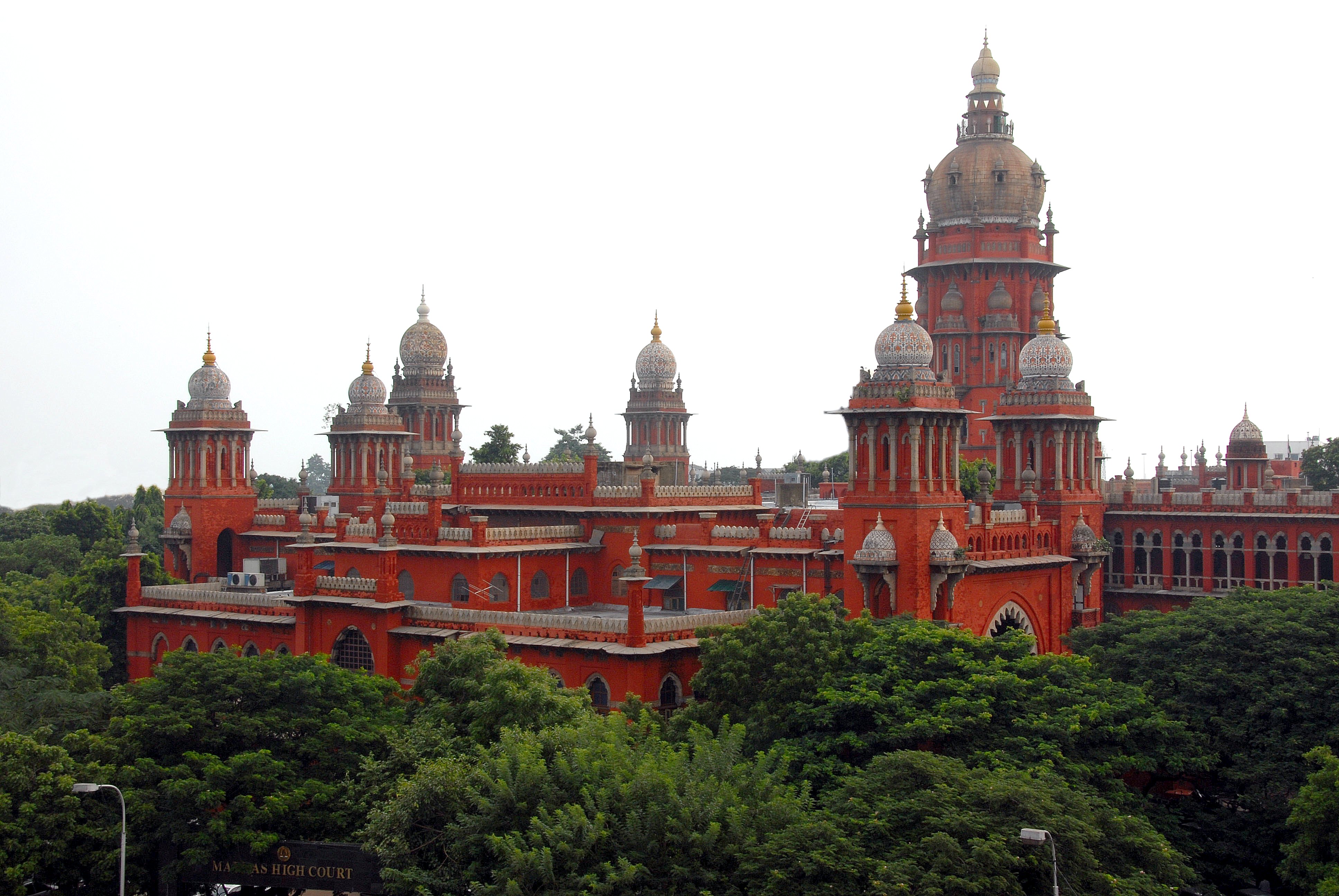
In May 2018, the Madras High Court directed the Union government to formulate a policy on school bags while hearing the case M Purushothaman vs Union of India.
The court asked authorities to frame regulations broadly in line with the Children’s School Bag (Limitation on Weight) Bill, 2006.
Expert committee formed by Ministry of Education
Following the court’s direction, the Ministry of Education constituted an expert committee in October 2018 to prepare a draft policy on school bags.
The committee included officials and education experts from NCERT, Kendriya Vidyalaya Sangathan, Navodaya Vidyalaya Samiti, CBSE, and education departments from Telangana and Maharashtra.
The group was chaired by Ranjana Arora, Head of the Department of Curriculum Studies at NCERT.
Other members included S Vijaya Kumar from Kendriya Vidyalaya Sangathan, AN Ramchandra from Navodaya Vidyalaya Samiti, Joseph Emmanuel from CBSE, M Deepika from Telangana’s SCERT, Dinkar Temkar from Maharashtra’s education department, and Pramod Kumar TK from CBSE.
The committee held multiple meetings between October and December 2018 and reviewed national and international research, state guidelines, court orders, and policy documents related to school bag weight and academic stress.
Research on physical strain and posture problems
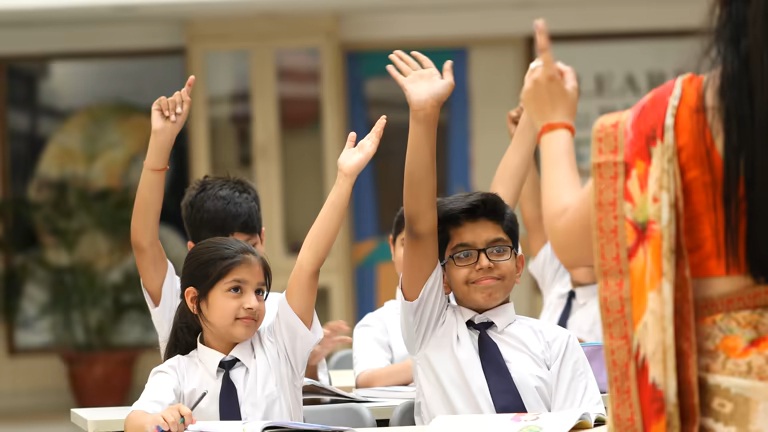
The committee examined studies linking heavy school bags to posture-related health issues among children. Research cited in the report stated that overloaded backpacks can force children to lean forward unnaturally, straining muscles in the neck, shoulders, and back.
Medical experts noted that children often face difficulty lifting bags, wearing them properly, or carrying them over long distances.
Studies also suggested that prolonged sitting combined with heavy school bags could contribute to posture disorders during crucial developmental years. The committee reviewed recommendations issued by international organizations regarding safe school bag weight.
The American Occupational Therapy Association and the American Physical Therapy Association had earlier recommended that school bags should not exceed 15% of a student’s body weight. The recommendation was later revised to 10%.
The American Chiropractic Association suggested an even lower limit of 5%-10% of body weight.
Indian states such as Maharashtra had also adopted the principle that school bags should remain around 10% of a child’s body weight.
The report highlighted that while body weight is an important factor, additional considerations such as disabilities, physical conditions, travel distance, and school infrastructure also influence how burdensome a bag becomes for a child.
National survey on school bags
The expert committee conducted a nationwide survey involving 352 schools, 2,992 parents, and 3,624 students. Schools affiliated with CBSE as well as institutions recognized by Telangana and Maharashtra participated in the study.
Number of Schools under Different Managements:
| Schools | Number of Responses |
| Telangana (Government, Zila Parishad and Private schools) | 40 |
| CBSE (Private schools) | 21 |
| KVS (Central Govt.) | 127 |
| Maharashtra (State Government) | 152 |
| Others | 12 |
| Total | 352 |
The committee used questionnaires for school heads, parents, and students, along with online data collection methods.
Schools were asked to measure the actual weight of students’ school bags and compare them with student body weight. The findings revealed widespread violations of recommended weight limits.
In primary classes, school bags commonly weighed between 2 kg and 3.5 kg, with some cases ranging between 3 kg and 5 kg.
For middle and secondary classes, bag weight often ranged from 3 kg to 6 kg, exceeding the globally accepted limit of 10% of body weight.
The survey identified textbooks as the biggest contributor to excessive bag weight. Textbooks alone weighed between 500 grams and 3.5 kg, depending on the class.
Notebooks contributed an additional 200 grams to 2.5 kg. Lunch boxes and water bottles frequently added another 200 grams to 1 kg each.
In several cases, the empty school bag itself weighed nearly 1 kg. Reference books prescribed for senior classes further increased the load.
What schools and parents reported
According to the survey, 77.2% of school heads said students regularly carried lunch packs in addition to textbooks and notebooks. About 63.5% said students carried water bottles daily despite schools providing drinking water facilities.
Many schools also reported that students carried thick notebooks, science kits, mathematics kits, and project files. Students themselves said they viewed school bags as the only practical means to carry essential learning materials.
However, most students expressed a desire for lighter bags.
Nearly 39% of school heads acknowledged that handling school bags was a major issue for children. Around 77.7% of parents described heavy school bags as a serious concern regularly discussed within families.
More than 90% of parents reported checking their children’s bags frequently. Schools also confirmed receiving repeated complaints from parents and students regarding excessive bag weight.
Measures already adopted by schools
The survey found that several schools had already begun implementing measures to reduce school bag weight. Teachers were advising students to carry only necessary books and notebooks.
Morning assembly announcements were being used to spread awareness about lighter school bags. Some schools conducted counseling sessions for students and parents.
Others redesigned timetables to reduce the number of books required each day. A few schools introduced textbook sharing systems where two students sitting together shared one copy of a textbook.
Some institutions divided textbooks into separate volumes for different academic terms. Certain schools encouraged students to complete assignments within school hours rather than carrying heavy notebooks home daily.
Periodic bag inspections and surprise checks were also introduced in some institutions. Schools reported efforts to provide better drinking water facilities to reduce the need for carrying large water bottles.
Homework and student stress
The survey highlighted concerns related to homework practices across schools. Students from Classes I and II reported spending up to two hours daily on homework in some cases.
For students from Class III onward, homework duration ranged between two and five hours every day. Although 92% of schools claimed to have homework policies, implementation varied widely.
NCERT recommendations clearly state that there should be no homework up to Class II. For Classes III to V, homework should not exceed two hours a week.
Middle school students should receive a maximum of one hour of homework daily, while secondary and higher secondary students should not spend more than two hours per day on homework.
The committee criticized mechanical assignments such as copying textbook answers, repetitive writing exercises, and internet-based projects that place unnecessary pressure on children and parents.
Instead, it recommended creative and experiential assignments linked to everyday life.
Examples included documenting household consumption patterns, recording conversations with grandparents, observing local occupations, and engaging in reading activities with family members.
The committee also emphasized that excessive homework reduces children’s playtime, limits family interaction, and increases stress within households.
Recommendations on reducing school bag weight
Based on its findings, the expert committee issued a series of recommendations.
The committee recommended that the weight of school bags for students from Classes I to X should not exceed 10% of body weight. Schools were advised to regularly monitor bag weight using digital weighing machines installed on campus.
Class wise range of average body weight of children:
| S.No. | Class | Average Body Weight Range (kg) | Recommended Bag Weight Range (kg) |
| 1. | Pre-primary | 10–16 | No bag |
| 2. | Class I | 16–22 | 1.6–2.2 |
| 3. | Class II | 16–22 | 1.6–2.2 |
| 4. | Class III | 17–25 | 1.7–2.5 |
| 5. | Class IV | 17–25 | 1.7–2.5 |
| 6. | Class V | 17–25 | 1.7–2.5 |
| 7. | Class VI | 20–30 | 2–3 |
| 8. | Class VII | 20–30 | 2–3 |
| 9. | Class VIII | 25–40 | 2.5–4 |
| 10. | Class IX | 25–45 | 2.5–4.5 |
| 11. | Class X | 25–45 | 2.5–4.5 |
| 12. | Class XI | 35–50 | 3.5–5 |
| 13. | Class XII | 35–50 | 3.5–5 |
NCERT recommended lightweight school bags with padded shoulder straps and multiple compartments. Wheeled bags were discouraged because they could cause injuries on staircases.
Schools were asked to ensure access to safe drinking water and proper midday meals so that children would not need to carry heavy bottles and lunch boxes. The committee also proposed flexible timetables with block periods and fewer subjects each day.
For Classes I to V, it suggested limiting teaching to two subjects daily wherever possible. Schools were advised to clearly specify in timetables which textbooks would be required on a given day.
NCERT also recommended reducing the use of thick notebooks.
For Classes I and II, only a single notebook should be used for classwork. For classes III to V, students should carry only one notebook at a time while the second notebook remains in school.
For Classes VI onward, files with loose sheets were recommended instead of bulky notebooks. The committee further encouraged textbook sharing among classmates and increased use of activity-based teaching where textbooks are not required every day.
Recommendations on subjects and textbooks
The report criticized schools for introducing too many subjects at the primary level. NCERT reiterated that schools should follow NCF recommendations regarding subject limits.
Weight of Textbooks Developed by the NCERT (class wise):
| Class | No. of NCERT Textbooks | Total Weight (in gms.) | No. of Subjects |
| Pre-primary | No textbook recommended | - | - |
| Class I | 3 | 1078 | 3 |
| Class II | 3 | 1080 | 3 |
| Class III | 4 | 1572 | 4 |
| Class IV | 4 | 1804 | 4 |
| Class V | 4 | 1916 | 4 |
| Class VI | 10 | 3080 | 6 |
| Class VII | 10 | 3508 | 6 |
| Class VIII | 11 | 3640 | 6 |
| Class IX | 15 | 4400 | 6 |
| Class X | 13 | 4182 | 6 |
For Classes I and II, schools should offer only two languages and mathematics. For Classes III to V, schools should teach two languages, mathematics, and environmental studies. For Classes VI to VIII, schools should offer three languages, mathematics, science, and social science.
Subjects such as moral education, general knowledge, and computer studies should be integrated into broader learning activities without additional textbooks. The committee also advised publishers to print textbook weights on covers and reduce unnecessary pages.
NCERT was asked to formulate policies limiting textbook size and weight.
Bagless days and experiential learning
The report strongly supported the “bagless days” concept introduced under NEP 2020.
According to the policy, students from Classes VI to VIII should participate in vocational learning and practical activities during designated bagless periods.
Children would spend time learning crafts such as carpentry, gardening, pottery, electric work, and metal work through internships and interactions with local artisans.
The policy also encouraged arts activities, sports, quizzes, educational visits, and experiential learning sessions without school bags.
NCERT recommended that separate guidelines be developed for conducting bagless days through flexible timetables and collaborative teaching methods.
Mental health and academic pressure
Education experts say Bihar’s latest directive reflects growing recognition of the connection between academic systems and student mental health.
Across India, concerns have risen over anxiety, burnout, emotional fatigue, and academic pressure among school children.
Mental health professionals argue that students today face pressure not only from schools but also from coaching centers, competitive exams, parental expectations, and social comparison.
Many schools have started introducing wellness initiatives, happiness classes, mindfulness sessions, and counseling support.
However, experts continue to argue that mental health reforms cannot succeed unless academic structures themselves become less burdensome.
Reducing school bag weight, they say, is ultimately part of a larger attempt to create a healthier and more balanced education system.
As Bihar moves to enforce NCERT guidelines, schools across the state are now expected to rethink textbook use, homework practices, classroom teaching methods, and overall academic culture in an effort to reduce stress and improve student well-being.
.jfif&w=256&q=75)
AI Emerges as a Research Collaborator in Biology, Opening New Possibilities for Medical Science
Karnataka High Court Upholds SOP for Pregnancy Cases Involving Minor Sexual Assault Survivors
.png&w=256&q=75)
SC Bar Association Seeks CJI’s Intervention Over Detention of Lawyers During Protest

US Midterm Elections 2026: Indian-American Voters Could Influence Key Races
Nobel Prize in Economics 2026: Robert Hall and Michael Woodford Recognised for Research on Economic Policy
UNESCO flags India’s rural education gap: 59 girls for every 100 boys
UK student visa applications fall as universities withdraw offers amid stricter rules
Madurai Kamaraj University seeks grants for college struggling to pay salaries amid ₹2 crore annual deficit

IISc Study Challenges Chandrasekhar Limit, Finds White Dwarfs Could Grow Far Beyond Expected Mass

Surat medical college ragging case: Two senior doctors arrested after PG student’s death

AI Emerges as a Research Collaborator in Biology, Opening New Possibilities for Medical Science
Karnataka High Court Upholds SOP for Pregnancy Cases Involving Minor Sexual Assault Survivors
SC Bar Association Seeks CJI’s Intervention Over Detention of Lawyers During Protest
US Midterm Elections 2026: Indian-American Voters Could Influence Key Races
Nobel Prize in Economics 2026: Robert Hall and Michael Woodford Recognised for Research on Economic Policy
UNESCO flags India’s rural education gap: 59 girls for every 100 boys
UK student visa applications fall as universities withdraw offers amid stricter rules
Madurai Kamaraj University seeks grants for college struggling to pay salaries amid ₹2 crore annual deficit
IISc Study Challenges Chandrasekhar Limit, Finds White Dwarfs Could Grow Far Beyond Expected Mass
Surat medical college ragging case: Two senior doctors arrested after PG student’s death
Copyright© educationpost.in 2026 All Rights Reserved.