


Azad's contributions to universal schooling, women's learning, technical institutions and cultural development continue to shape debates on equitable access, institutional quality and future-ready skills in India.
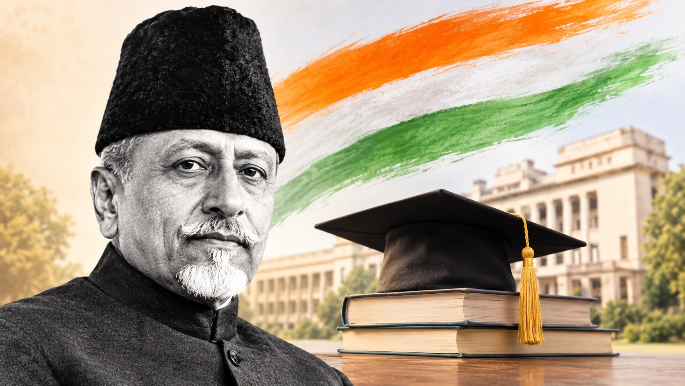
India's education system underwent several important developments in the years after Independence, with greater attention to universal schooling, technical education, university development and scientific research.
Maulana Abul Kalam Azad, the country's first Education Minister, played an important role in shaping these priorities and establishing institutions that continue to influence the sector.

Azad served as Education Minister from 1947 to 1958 under Prime Minister Jawaharlal Nehru. During his tenure, he advocated free and compulsory education for children, supported women's education, promoted technical and vocational learning, and worked towards strengthening universities and cultural institutions.
His approach to education extended beyond literacy and classroom instruction. He believed educational opportunities should reach all sections of society and that universities, research institutions and cultural organizations were essential for building a progressive nation.
National Education Day is observed every year on Nov 11 to commemorate Azad's birth anniversary and recognize his contribution to India's education system. The Ministry of Human Resource Development, now the Ministry of Education, announced the observance in September 2008. The first National Education Day was celebrated on Nov 11 that year.
Maulana Azad's vision: Education as a national priority
After India gained Independence in 1947, Azad took charge as the country's first Education Minister with cabinet rank. His tenure focused on developing an education system that could support the country's social, scientific, industrial and cultural progress.
He believed education should receive the highest priority in government planning and expenditure. In one of his speeches, Azad emphasized that education should be given the highest priority in the national budget and placed 'immediately' after food and clothing.
As chairman of the Central Advisory Board of Education, an apex body responsible for recommending educational reforms to the central and state governments, he advocated free and compulsory education for children up to the age of 14.
His priorities also included expanding girls' education, promoting vocational and agricultural learning, and strengthening technical education. He believed educational opportunities should not remain restricted to privileged sections of society.
Azad also supported the use of the mother tongue as the medium of instruction at the primary level. He considered learning in a familiar language important for making basic education accessible to children. At the same time, he recognized the importance of English for higher education and international communication.
His approach reflected the need to develop an education system that could address both the immediate requirements of a newly independent country and its long-term academic and economic ambitions.
From IIT Kharagpur to UGC: Building India's higher education infrastructure
Strengthening higher education and developing technical institutions were among Azad's major priorities. He believed India needed universities and specialized institutions capable of producing skilled professionals, encouraging research and supporting scientific and industrial development.
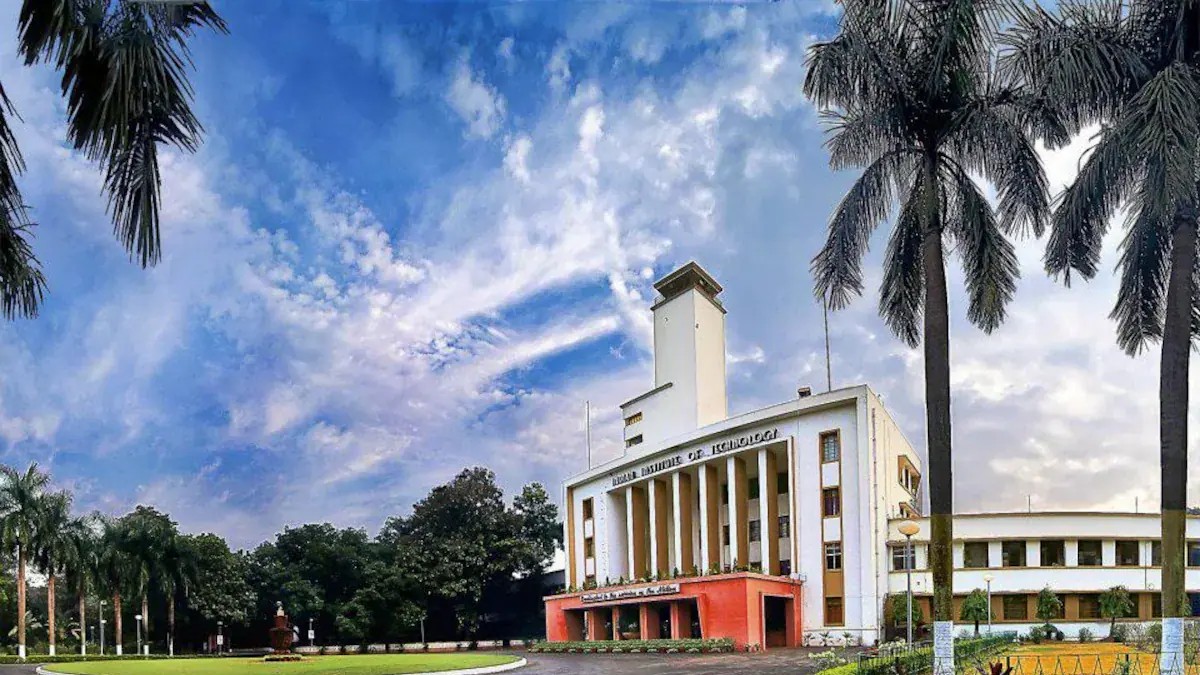
One of the important developments during his tenure was the establishment of IIT Kharagpur, India's first Indian Institute of Technology.
The institute began functioning in May 1950 at the former Hijli Detention Camp in West Bengal. Azad formally inaugurated it on Aug 18, 1951. It was established to provide advanced technical education and prepare professionals who could contribute to India's scientific and industrial capabilities.
The establishment of IIT Kharagpur laid the foundation for the country's IIT system. During Azad's tenure, the system expanded with the establishment of IITs in Bombay, Madras, Kanpur and Delhi.
Another major development was the strengthening of university education through the University Grants Commission (UGC).
Azad formally inaugurated the UGC on Dec 28, 1953. It subsequently became a statutory body through an Act of Parliament in November 1956.
The commission was established to coordinate university education, provide financial support to universities and maintain academic standards across higher education institutions. Its role also included supporting the development of universities and strengthening the quality of higher education.
The UGC continues to play a central role in India's university education system by coordinating academic development and maintaining standards.
Azad's tenure also saw the establishment of the School of Planning and Architecture in Delhi in 1955, adding another institution to the country's growing professional education infrastructure.
Technical education and scientific development
Azad considered technical education an important requirement for India's industrial and scientific progress. He believed the country needed trained professionals and institutions capable of supporting technological development.
The establishment and expansion of IITs reflected this priority. These institutions were intended to provide advanced technical knowledge and develop a skilled workforce for the country's emerging industrial and scientific sectors.
The All India Council for Technical Education (AICTE) is another important institution in India's technical education system. However, it was established in 1945, before Azad became Education Minister.
The council subsequently received statutory status through the AICTE Act, 1987. It works towards the planned development of technical education and maintaining standards in institutions offering engineering, management, pharmacy and other professional courses.
Although AICTE was not established during Azad's tenure, the importance he attached to technical learning and professional education reflected similar national priorities.
His broader educational approach included vocational and agricultural training alongside higher education. He believed the country needed different forms of professional and practical knowledge to support its development.
Expanding access to education and promoting women's learning
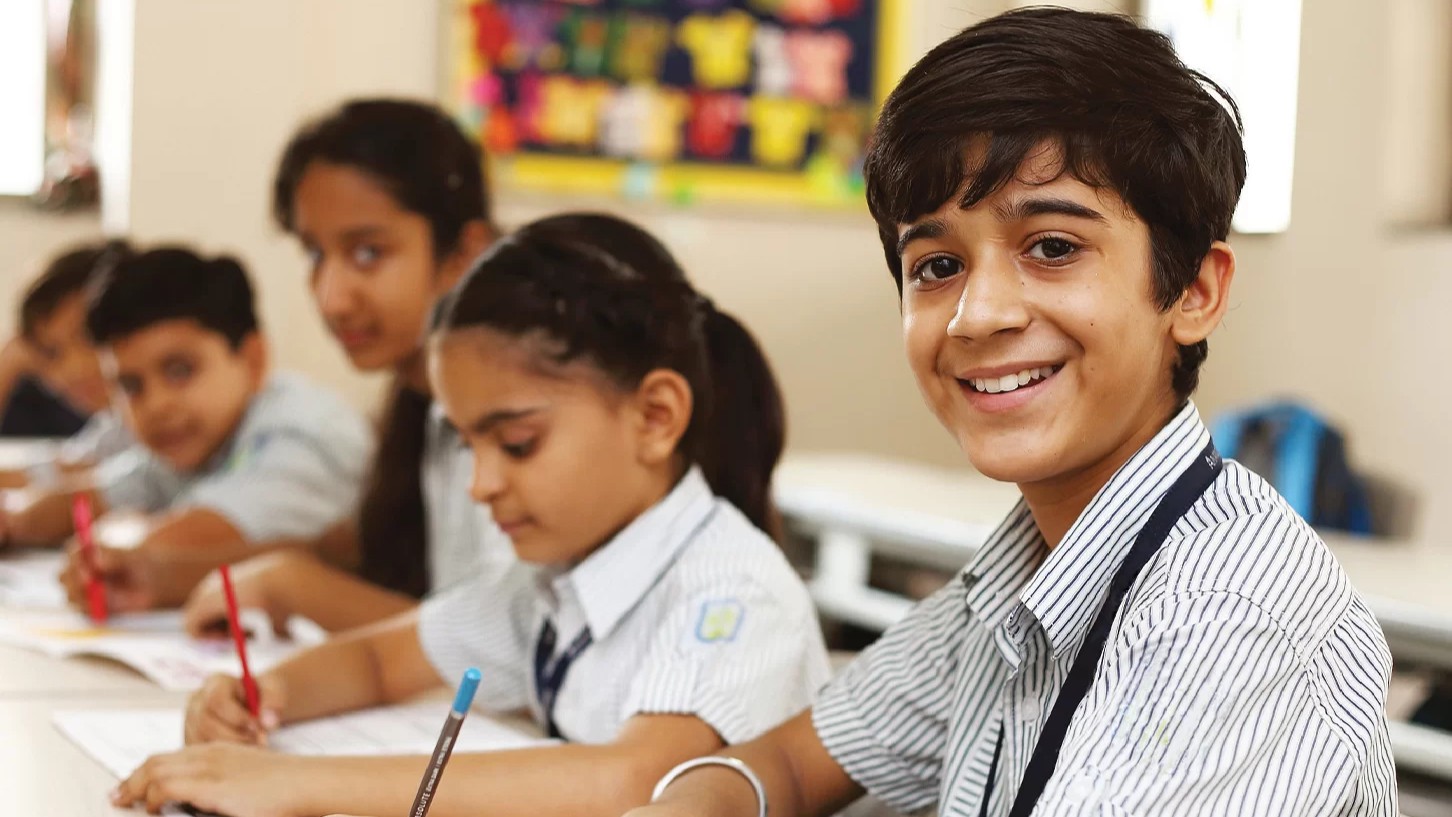
Alongside the development of universities and technical institutions, Azad emphasized the need to make elementary education accessible to children across the country.
He advocated free and compulsory education for all children up to the age of 14, regardless of their financial or social background. His approach was based on the belief that education should not remain limited to a particular section of society.
Women's education was another important part of his educational vision. He supported greater opportunities for girls and women to access schooling and higher education.
Azad recognized that educating women was essential for the overall development of society. He emphasized the need to remove barriers that prevented girls from continuing their studies and participating in educational and professional opportunities.
He also advocated vocational education, which could provide students with practical skills and prepare them for different employment opportunities. Agricultural education was another priority, particularly in the context of India's development requirements after Independence.
His emphasis on primary education in the mother tongue was also connected to the objective of expanding access. He believed children should be able to learn in a language they understood, while English should continue to support higher education and international communication.
These priorities reflected his belief that a strong education system required both wider access to schooling and opportunities for advanced learning.
Indian culture, literature and arts also part of Azad's education vision
Azad believed education should not be restricted to science, technology and academic qualifications. He also wanted Indian art, literature and cultural traditions to receive greater recognition and institutional support.
He felt India's cultural heritage had been neglected during British rule and supported the establishment of national institutions to preserve and promote different forms of artistic expression.
The Indian Council for Cultural Relations (ICCR) was established by Azad in 1950 to encourage cultural exchanges between India and other countries. The organization aimed to promote India's cultural connections internationally.

He also helped establish three national academies dedicated to Indian performing arts, literature and visual arts.
The Sangeet Natak Akademi was established in 1953 as India's national academy for music, dance and drama. It works towards preserving and promoting the country's performing arts traditions.
The Sahitya Akademi was another important institution developed during this period. The government decided to establish the academy in 1952, and it was formally inaugurated on March 12, 1954. It encourages literature across Indian languages through literary discussions, publications, translation programs and awards.
The Lalit Kala Akademi was inaugurated by Azad on August 5, 1954, as India's national academy for visual arts. It promotes painting, sculpture, graphics and other forms of visual art.
The institution organizes exhibitions, workshops and programs that provide artists with opportunities to display their work and engage with wider audiences.
Together, these organizations reflected Azad's belief that cultural development was an important part of nation-building and that education should also encourage creativity and an understanding of India's heritage.
Maulana Azad's views on secularism and religious education
Azad's educational philosophy was closely connected to his commitment to secularism, religious understanding and communal harmony.
He believed the problems created by religious extremism could not be addressed simply by dismissing religious instruction during the elementary stages of education. Instead, he supported sound and healthy religious education so that young people would not be misguided towards intolerance of other religions.
His views were influenced by his commitment to Hindu-Muslim unity and his belief in a united India. He considered education an important means of developing mutual understanding and respect among different communities.
Azad's position on secularism was also reflected in his political journey and opposition to the Partition of India in 1947.
From Mecca to the freedom movement: The early life of Maulana Azad
Maulana Abul Kalam Azad was born in Mecca on Nov 11, 1888, to scholars Maulana Khairuddin and Alia. Initially named Feroze Bakht, he later became widely known as Abul Kalam.
A gifted scholar, he mastered the Quran at the age of 10 and became a trained theologian by 17. His studies at Al Azhar University in Cairo further expanded his knowledge and intellectual outlook.
After moving to Calcutta, he started the magazine 'Lisan-ul-Sidq.' His intellectual development was also influenced by prominent Urdu critics Shibli Nomani and Altaf Hussain Haali.
Azad entered politics during the 1905 Partition of Bengal, opposing the division and advocating a united India. He participated in revolutionary activities and came into contact with several leaders, including Sri Aurobindo Ghosh.
In 1912, he launched the Urdu journal Al-Hilal, through which he expressed his liberal and rationalist views and opposed colonial exploitation. His writings encouraged political awareness and reflected his opposition to British rule.
His travels across Iraq, Syria and Egypt also shaped his political thinking and strengthened his commitment to India's freedom struggle. He spent several years in Ranchi jail during his political journey.
A strong advocate of Hindu-Muslim unity, Azad remained firmly opposed to the Partition of India in 1947.
Education in the age of AI: The changing role of institutions
Azad's emphasis on scientific thinking, technical learning and institutional development continues to be relevant as technology changes the way students learn and industries operate.
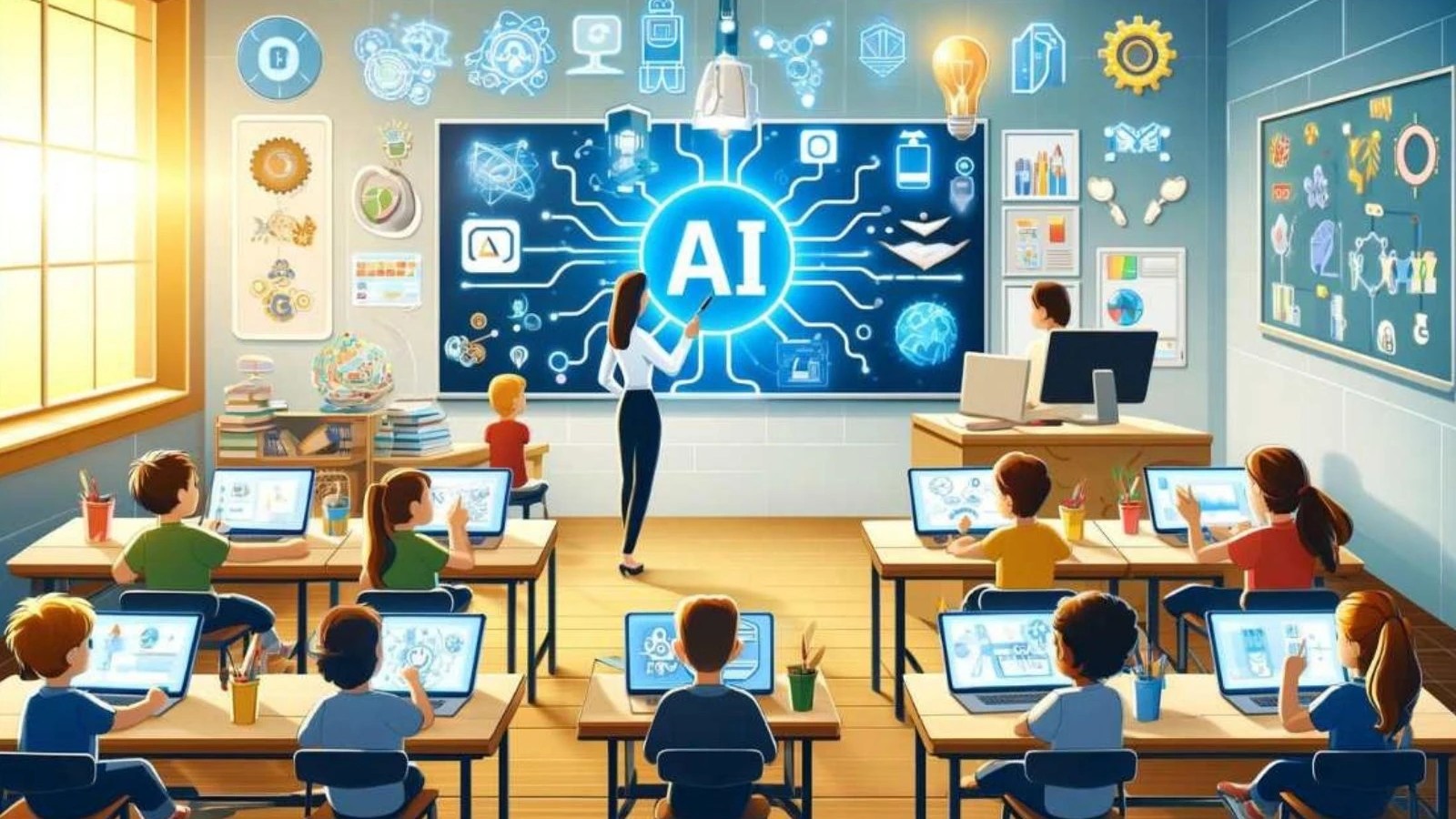
Artificial intelligence is increasingly influencing professional requirements, making it important for educational institutions to prepare students with technological knowledge as well as analytical and problem-solving abilities.
Prof Prakash Gopalan, President of NIIT University, said National Education Day serves as a reminder that education must evolve in response to changes in society, technology and the workplace.
“National Education Day is a reminder that education must always adapt to the world around us. As AI changes industries and the nature of work itself, education’s role is not just to teach students how to use technology, but also to develop the ability to question, explore, innovate and apply knowledge in meaningful ways.”
“The future belongs to the student who can combine technological skills with critical thinking, curiosity, and flexibility. The model of education we need is one that links classroom learning to real world problems, promotes research and discovery and enables students to learn across the disciplines,” he added.
His remarks highlight the growing importance of connecting classroom instruction with practical applications, research and interdisciplinary learning. The emphasis on developing students' ability to question, explore and apply knowledge also reflects the broader need to prepare learners for changing professional environments.
Beyond textbooks: Focus on practical learning and student development
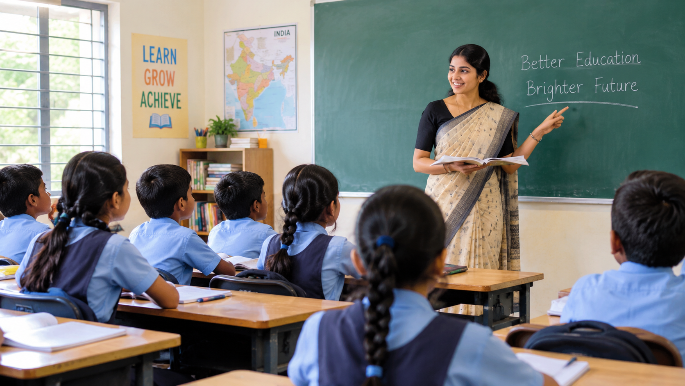
The changing education landscape has also increased attention on practical learning, mentorship and the development of skills beyond academic performance. Educators are increasingly emphasizing the need to prepare students to handle real-world challenges through problem-solving, independent thinking and emotional resilience.
Preethi Rajeev Nair, Principal, CBSE, Lancers Army Schools, highlighted the importance of combining technological advancements with strong values and practical learning to support students' overall development.
"Education today is moving beyond textbooks and exam marks to focus on real-world skills. Moreover, technology and AI are making quality education accessible to more learners than ever before. While digital tools may streamline access to information, the real goal is to nurture curiosity, problem-solving skills, and emotional resilience,” she said.
“When students learn by doing rather than simply memorising, they develop the confidence to adapt to an ever-changing world. Real mentorship is about shaping independent thinkers who can navigate challenges with empathy, practical wisdom, and purpose, anchoring them in enduring values like discipline, integrity, and compassion while empowering them to embrace new possibilities, a philosophy that deeply defines our community at Lancers Army Schools. Ultimately, it is about giving every child both the roots of strong character and the wings to reach their full potential,” she added.
Connecting academic learning with industry requirements
Alongside technological developments, the relationship between educational institutions and industry has become an important consideration in discussions about India's education system.
Azad emphasized technical and vocational education as part of the country's development requirements. The current education landscape also requires institutions to ensure that academic programs equip students with skills that can be applied in professional settings.
Ranjita Raman, CEO of Jaro Education, highlighted the need to connect academic learning with practical capabilities and changing industry requirements.
“India's education sector is at an important inflection point. The conversation can no longer be limited to how many students we enrol or how many programm move online; it must focus on what learners actually gain from education and how effectively that learning translates into real-world capabilities,” said Raman.
“The real challenge is to combine technology with academic rigour, credible university partnerships, and curricula that respond to changing industry needs. As India works towards becoming a knowledge-driven economy, the strength of its education ecosystem will depend on how well institutions, technology partners, and industry work together to prepare learners for the opportunities ahead,” Raman added.
The need to strengthen university-industry partnerships and update curricula also brings attention to the role of institutions in preparing students for emerging employment opportunities. Academic rigor, research and practical learning remain important considerations as India works towards developing its knowledge economy.
Strengthening industry-integrated education and skilling
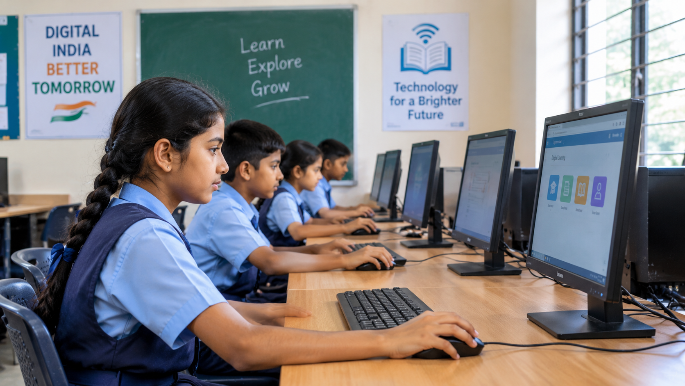
The changing demands of the manufacturing sector have also increased the need to align education and vocational training with industry requirements. Dr Ibrahim Hafeezur Rehman, Director General and CEO at NAMTECH, said India needs to move beyond conventional engineering education towards experiential and technology-driven learning.
“India’s education and skilling ecosystem is at an inflection point. Rapid technological advancements and the transformation of global manufacturing demand a shift from conventional engineering education towards industry-integrated, experiential and technology-driven learning,” he said.
“The Government’s focus on modernising ITIs, strengthening vocational education and deepening industry participation is a welcome step. The next imperative is to build a demand-driven ecosystem where industry and academia share responsibility for developing future-ready talent,” Rehman added.
“As India aspires to become a global manufacturing powerhouse, building a competent workforce in advanced manufacturing, robotics, automation, semiconductors and sustainable technologies will be critical to realising the vision of Viksit Bharat 2047,” he said.
National Education Day: Assessing India's progress in education
The importance of strengthening educational institutions and improving learning standards was also highlighted during India's first National Education Day celebration in 2008.
Addressing the occasion, former President Pratibha Patil said the objective of observing the day should be to strengthen the country's educational institutions and raise the quality of education to greater heights.
She said the occasion should provide an opportunity to evaluate India's performance in the education sector. Patil also urged stakeholders to work together to advance the Indian education system and strengthen the country's position as a global knowledge society.
National Education Day is marked across schools, colleges and universities through seminars, discussions, educational activities and awareness programs.
The annual observance recognizes Azad's contribution while highlighting the importance of improving educational access, strengthening institutions and raising the quality of learning.
His tenure as Education Minister helped establish important foundations for India's higher education, technical learning and cultural development.
His emphasis on universal schooling, women's education, scientific thinking and academic standards also reflected his broader understanding of education as a tool for national progress.

Delhi Launches First Yamuna River Cruise: Check Route, Ticket Price and Facilities

Mumbai Local Trains to Get Automatic Doors: New Non-AC Train Arrives for Safety Trials

Lockdown lifted at New Zealand school after police respond to threat

New Zealand university staff withhold grades in pay dispute

New Zealand school apologises after NCEA English exam disrupted by computer failure
Mumbai Local Trains to Get Automatic Doors: New Non-AC Train Arrives for Safety Trials
New Zealand university staff withhold grades in pay dispute
New Zealand school apologises after NCEA English exam disrupted by computer failure

Indian Rupee Rises 7 Paise to ₹93.70 Against US Dollar as Foreign Investments Return
ICSE Class 10 Timetable 2027: Subject-Wise Exam Dates and Timings Announced

Delhi Launches First Yamuna River Cruise: Check Route, Ticket Price and Facilities
Mumbai Local Trains to Get Automatic Doors: New Non-AC Train Arrives for Safety Trials
Lockdown lifted at New Zealand school after police respond to threat
New Zealand university staff withhold grades in pay dispute
New Zealand school apologises after NCEA English exam disrupted by computer failure
Mumbai Local Trains to Get Automatic Doors: New Non-AC Train Arrives for Safety Trials
New Zealand university staff withhold grades in pay dispute
New Zealand school apologises after NCEA English exam disrupted by computer failure
Indian Rupee Rises 7 Paise to ₹93.70 Against US Dollar as Foreign Investments Return
ICSE Class 10 Timetable 2027: Subject-Wise Exam Dates and Timings Announced
Copyright© educationpost.in 2026 All Rights Reserved.