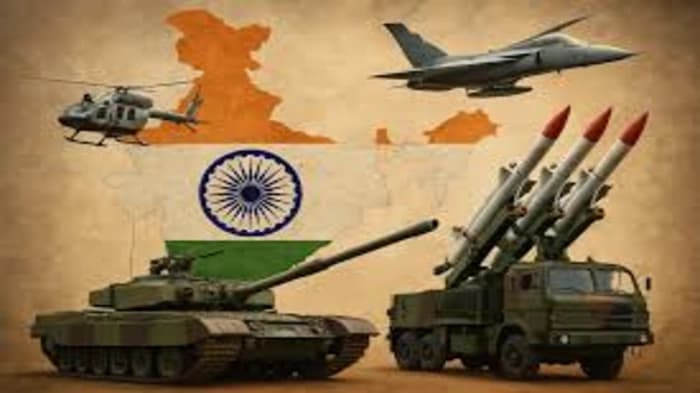
As 2025 began, the Ministry of Defence reiterated its strong focus on indigenisation as a cornerstone of India’s defence preparedness. Aligned with the Atmanirbhar Bharat vision, the renewed emphasis seeks to reduce dependence on foreign suppliers, strengthen domestic industrial capacity, and enhance India’s strategic autonomy amid evolving regional and global security challenges.
India has historically been one of the world’s largest importers of defence equipment, making it vulnerable to supply-chain disruptions, geopolitical pressures, and cost escalations. In response, the government has undertaken multiple policy measures, including the introduction of positive indigenisation lists, reforms in defence acquisition procedures, and enhanced participation of the private sector and start-ups. Defence Public Sector Undertakings (DPSUs) and the domestic private industry are increasingly collaborating to develop complex platforms and systems.

Defence exports have also emerged as a key pillar of the indigenisation drive. Indian-made platforms such as artillery systems, naval patrol vessels, and electronic warfare equipment are finding markets abroad, reflecting improving quality and competitiveness. Export growth not only supports economic objectives but also strengthens diplomatic ties and defence partnerships.
Indigenisation enhances strategic autonomy by ensuring assured supply of critical equipment during crises. It also enables better customisation of platforms to India’s operational requirements, particularly in the context of diverse terrains and multi-domain threats along land and maritime borders. Furthermore, domestic manufacturing generates employment, fosters technological innovation, and creates a robust defence industrial ecosystem.
However, challenges persist. High research and development costs, technological gaps in critical areas such as jet engines and advanced electronics, and procedural delays can slow progress. Ensuring quality control, timely delivery, and long-term funding remains essential.
The way forward involves sustained investment in R&D, deeper public–private partnerships, integration of MSMEs into defence supply chains, and closer collaboration with academia. In conclusion, India’s focus on defence indigenisation in 2025 reflects a strategic shift towards self-reliance, resilience, and autonomy—vital for safeguarding national security in an increasingly uncertain geopolitical environment.