


Despite large participation of women in farming activities, wage disparity and limited access to resources remain major concerns
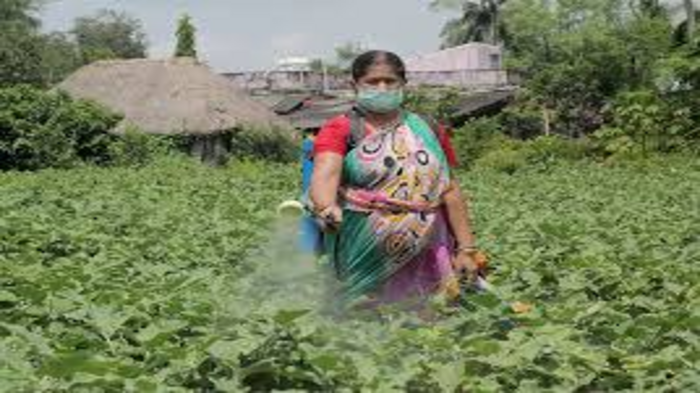
Recent studies have highlighted the persistent issue of gender inequality in the agricultural sector of India, where women play a significant yet often under-recognized role in farming and rural livelihoods. The findings emphasize that although women contribute substantially to agricultural production, they continue to face structural and economic disadvantages.
According to available data, more than 117 million women are engaged in agriculture and allied activities across India. Women are actively involved in various stages of agricultural work, including sowing, transplanting, weeding, harvesting, and post-harvest processing. In many rural households, women also manage livestock and contribute to food processing and storage activities.

Despite their major contribution to agricultural labour, studies indicate that women’s wages in agriculture remain significantly lower than those of men. Gender-based wage disparity continues to be a persistent issue in rural labour markets. In addition to lower wages, women farmers often face limited access to land ownership, credit facilities, agricultural inputs, training programmes, and modern technologies.
Experts note that social norms, lack of formal recognition as farmers, and restricted decision-making power within households further contribute to gender inequality in the rural economy. As a result, many women involved in agriculture remain economically vulnerable despite their substantial role in the sector.
Addressing gender inequality in agriculture is considered essential for achieving inclusive rural development and sustainable agricultural growth. Policymakers and researchers emphasize the need for gender-sensitive agricultural policies that improve women’s access to land rights, financial services, education, and skill development.
Strengthening women’s participation in agricultural cooperatives, self-help groups, and rural enterprises can also enhance their economic empowerment. Additionally, improving access to digital technologies, market information, and government support programmes can help women farmers increase productivity and income.
Experts argue that empowering women in agriculture not only benefits rural households but also contributes to broader goals such as poverty reduction, food security, and sustainable development. Ensuring equal opportunities for women farmers will remain a key priority for building a more inclusive and resilient agricultural sector in India.

AI boom puts forward deployed engineers on track for ₹1 crore annual packages

70% of study-abroad aspirants target budgets below ₹30 lakh

NTA opens JEE Main 2027 registration, applications close on Nov 22

59% of Class 12 students report low satisfaction with school life

Reed College’s concrete owl stolen, frozen and set on fire
AI boom puts forward deployed engineers on track for ₹1 crore annual packages
Reed College’s concrete owl stolen, frozen and set on fire

Canada announces $813 million research boost to back 450-plus researchers
.webp&w=256&q=75)
Abu Dhabi aims to bring 2,000 Emirati teachers into private schools within five years
.jpg&w=256&q=75)
Australian schools record thousands of student sexual misconduct reports as child safety concerns grow

AI boom puts forward deployed engineers on track for ₹1 crore annual packages
70% of study-abroad aspirants target budgets below ₹30 lakh
NTA opens JEE Main 2027 registration, applications close on Nov 22
59% of Class 12 students report low satisfaction with school life
Reed College’s concrete owl stolen, frozen and set on fire
AI boom puts forward deployed engineers on track for ₹1 crore annual packages
Reed College’s concrete owl stolen, frozen and set on fire
Canada announces $813 million research boost to back 450-plus researchers
Abu Dhabi aims to bring 2,000 Emirati teachers into private schools within five years
Australian schools record thousands of student sexual misconduct reports as child safety concerns grow
Copyright© educationpost.in 2026 All Rights Reserved.